%20(1040%20%C3%97%201300px)-2.avif)
A generated image is not a product.
That sums up a split happening in 3D commerce right now.
One camp is racing to build AI that makes pictures: prompt-based content tools, AI-driven photoshoots, chat tools that change a product's color on screen.
These tools are made to cut creative costs. Fewer studio days, fewer rounds with the agency, faster content. That's useful.
But it doesn't close a sale.
The other camp is where VividWorks sits in.
We build AI that creates a product that someone can actually buy.
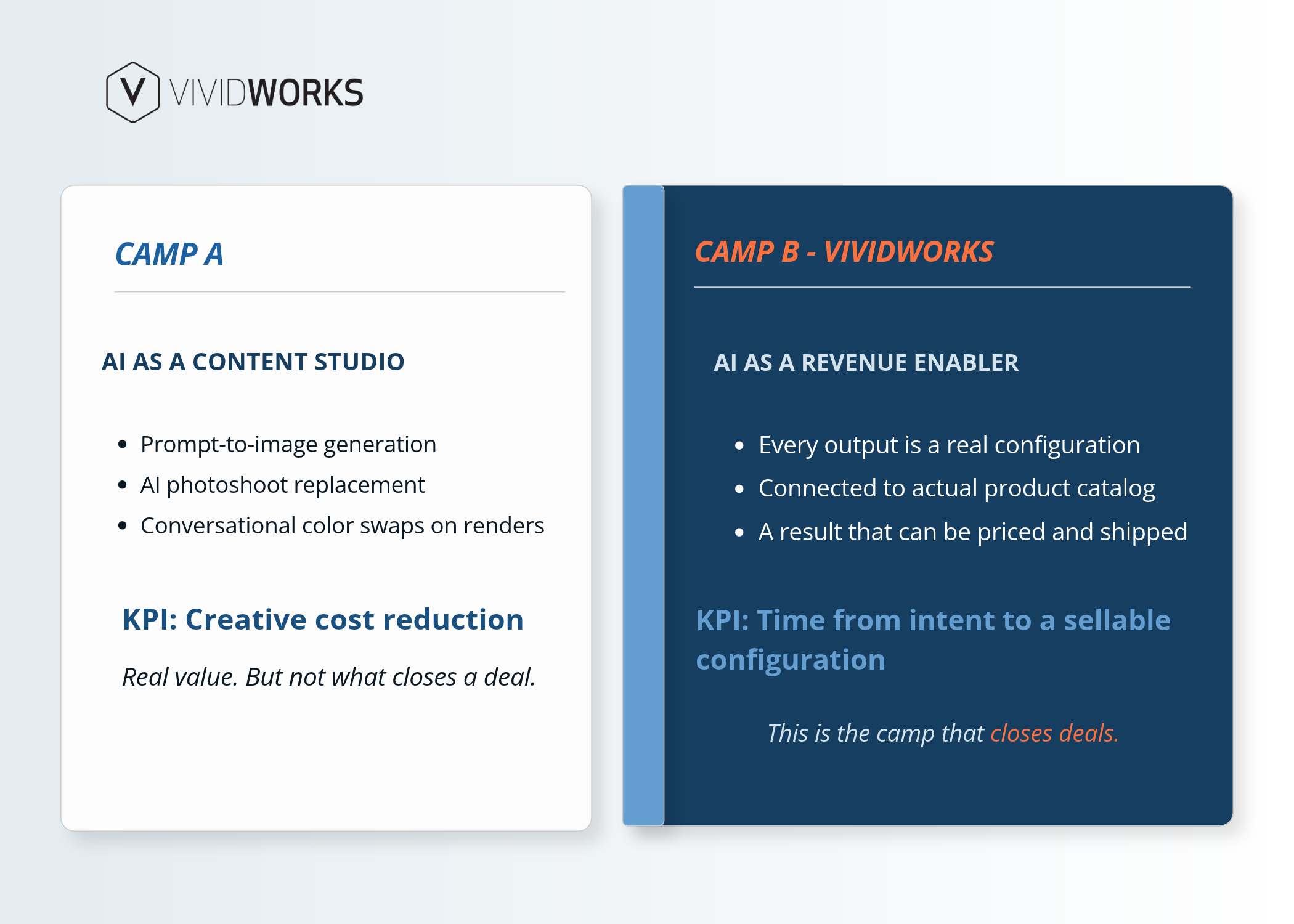
Not a picture of a product that doesn't exist. Not a made-up color on a made-up item.
A real, priced setup that matches something the brand can actually make and ship.
What matters here is speed: how fast someone goes from "I want this" to "send me a quote."
Both groups will stick around, and they're building different businesses.
The market is already splitting along these lines. Patents are being filed, companies are being bought, and firms are picking a lane. It's worth being clear about which lane you're in.
Why the difference is structural, not stylistic
Imagine a chat tool that lets a shopper design a sneaker the factory doesn't make. What happens next? Either the brand makes it specially, which almost no one does, or the tool quietly points the shopper back to a shoe that already exists
Look closely at most "AI configurator" demos, and that's usually what's happening.
Building the chat was never the hard part.
The hard part is making sure everything the AI shows is something the company can really sell.

That's also where the advantage lies.
Anyone can now build image AI and chat AI - those skills are becoming common.
What rivals can't copy from a slide is your connection between the AI and your actual product catalog:
- the rules
- the options
- the prices
- the local versions
- the supply chain
That connection is boring and hard to build. But it's what separates a working product from a demo.
Three layers we build our AI work on
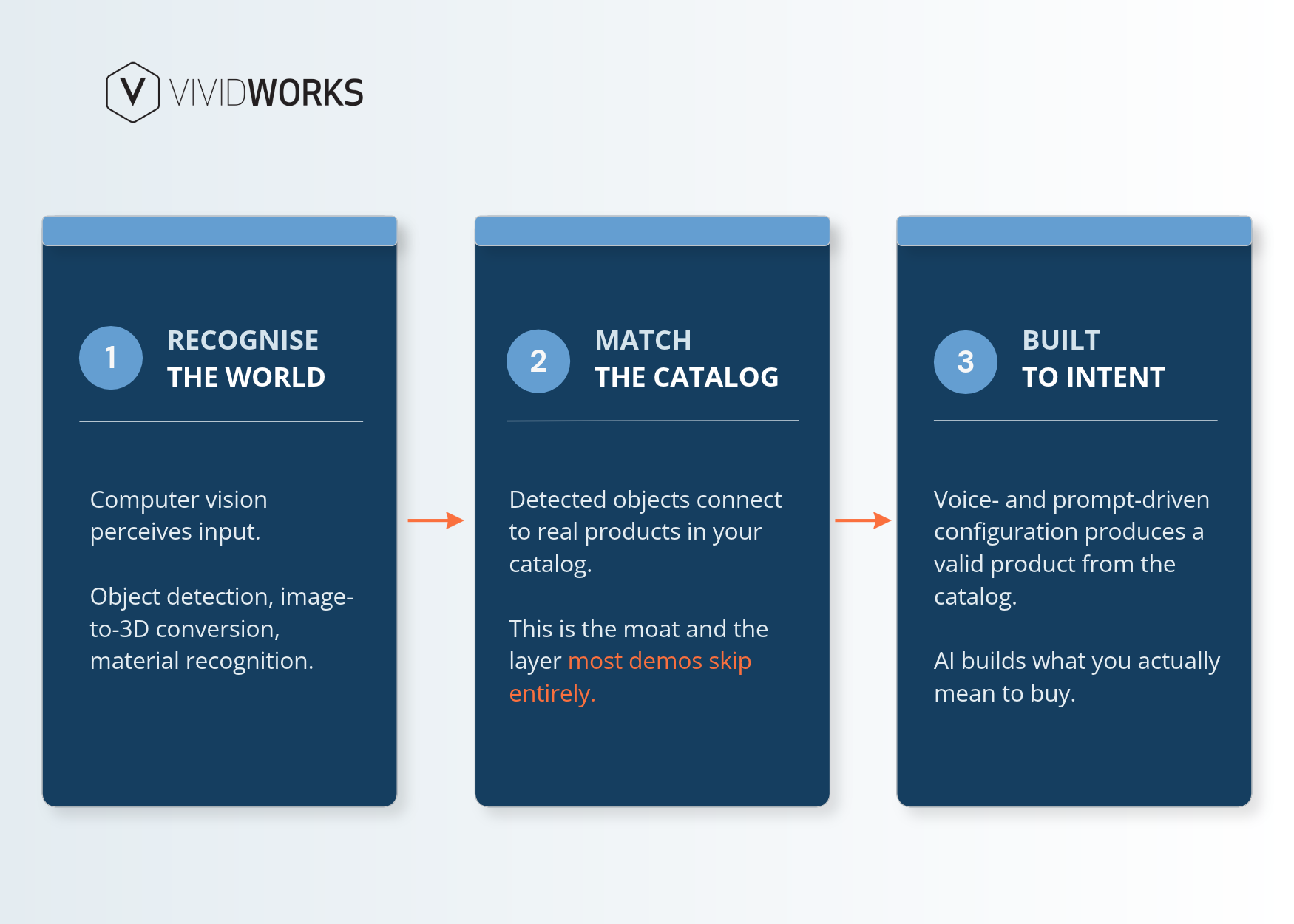
Layer 1: Recognize the world.
AI that reads what's in front of it: a floor plan, a photo of a room, a picture of a material.
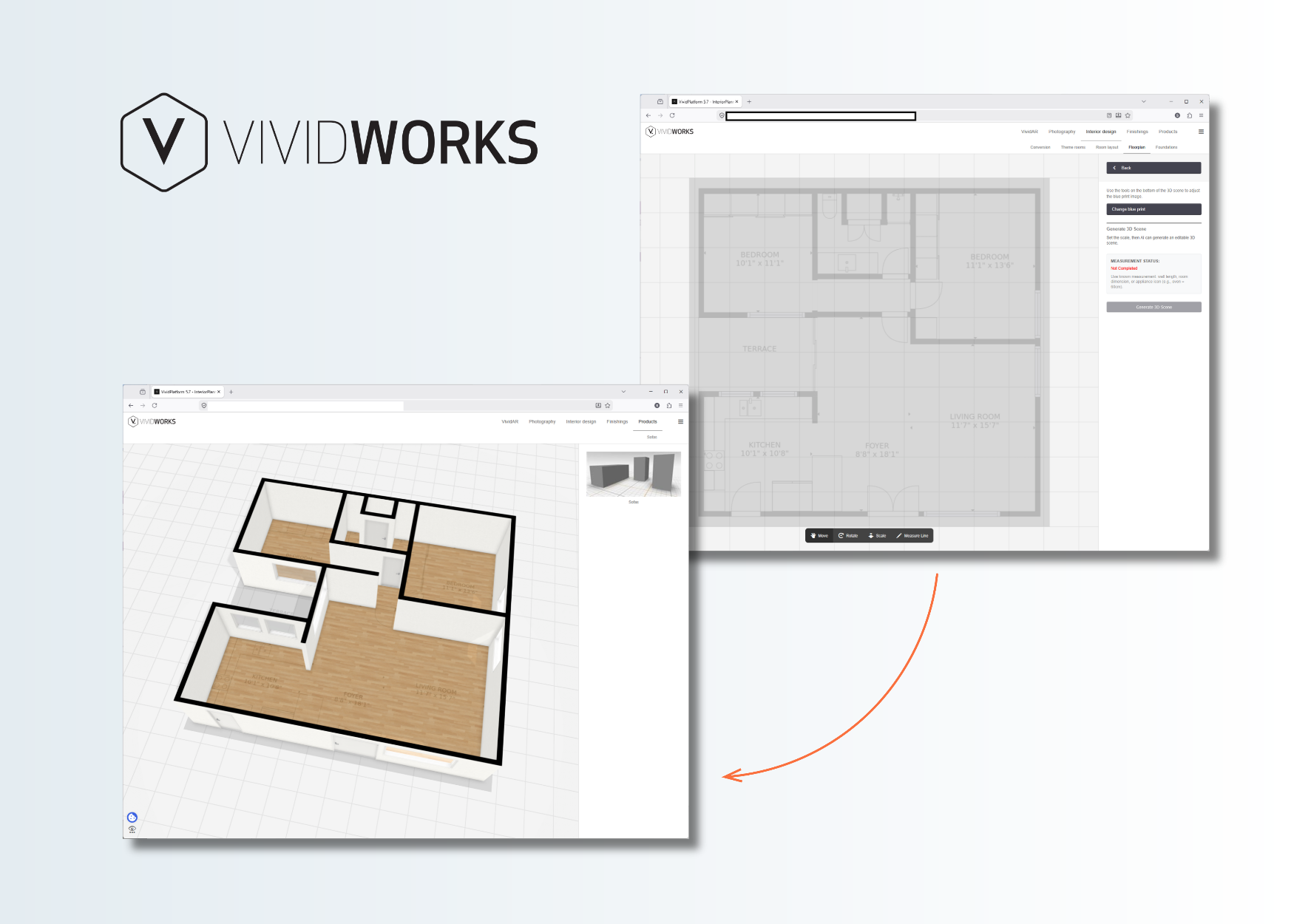
This covers object recognition, turning 2D into 3D, and recognizing materials.
Computer-vision work lives here.
Layer 2: Match the catalog
Take what object recognition, turning 2D into 3D, and material recognition recognized and link it to real products.
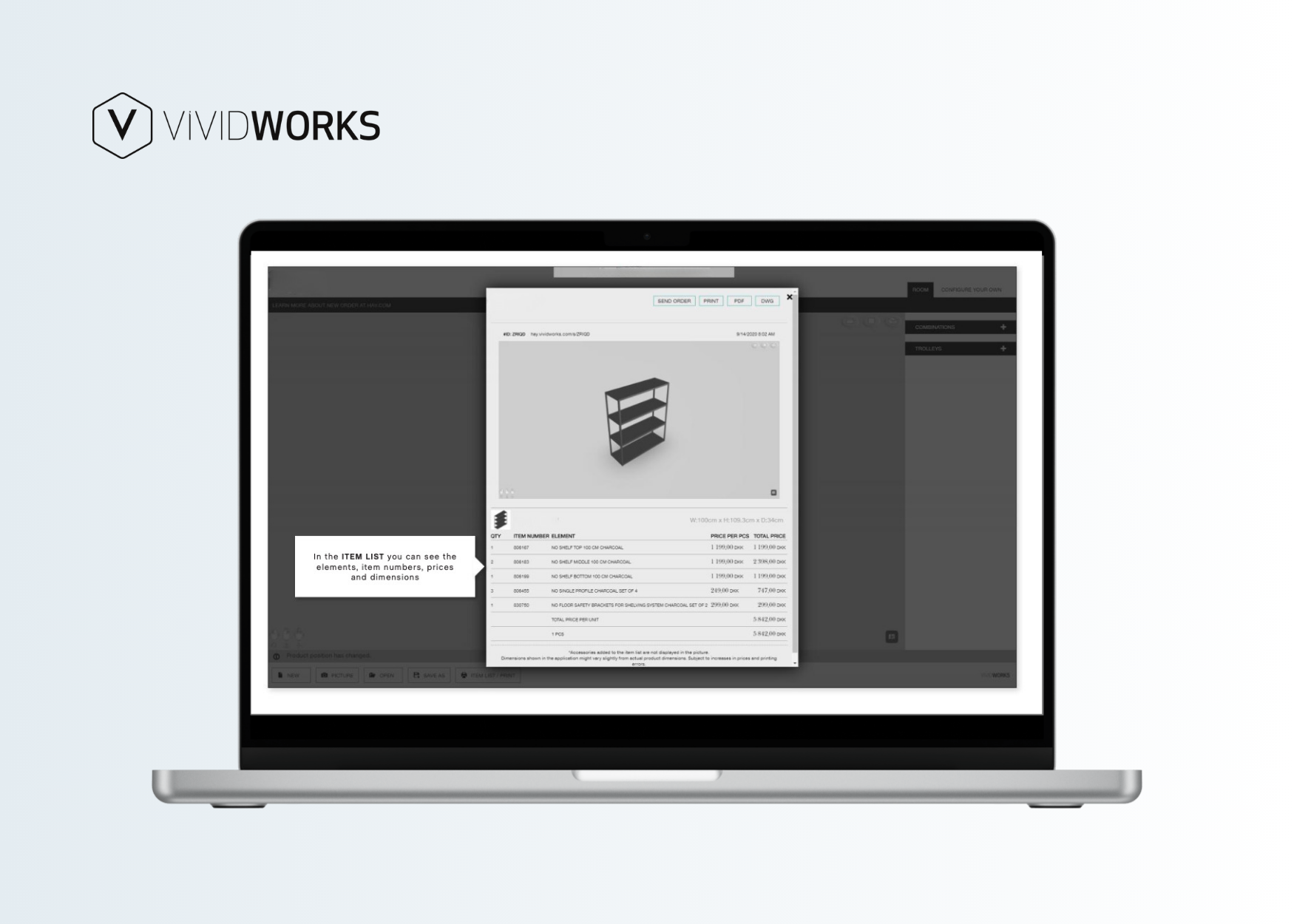
A product in a photo becomes an actual item from your range, not a generic shape.
A floor in a reference photo becomes a flooring product you sell.
This is the layer most demos skip and the layer that decides whether AI work pays for itself.
Layer 3: Build to intent
Voice- and prompt-driven configuration that produces a complete, valid product setup against the catalog.
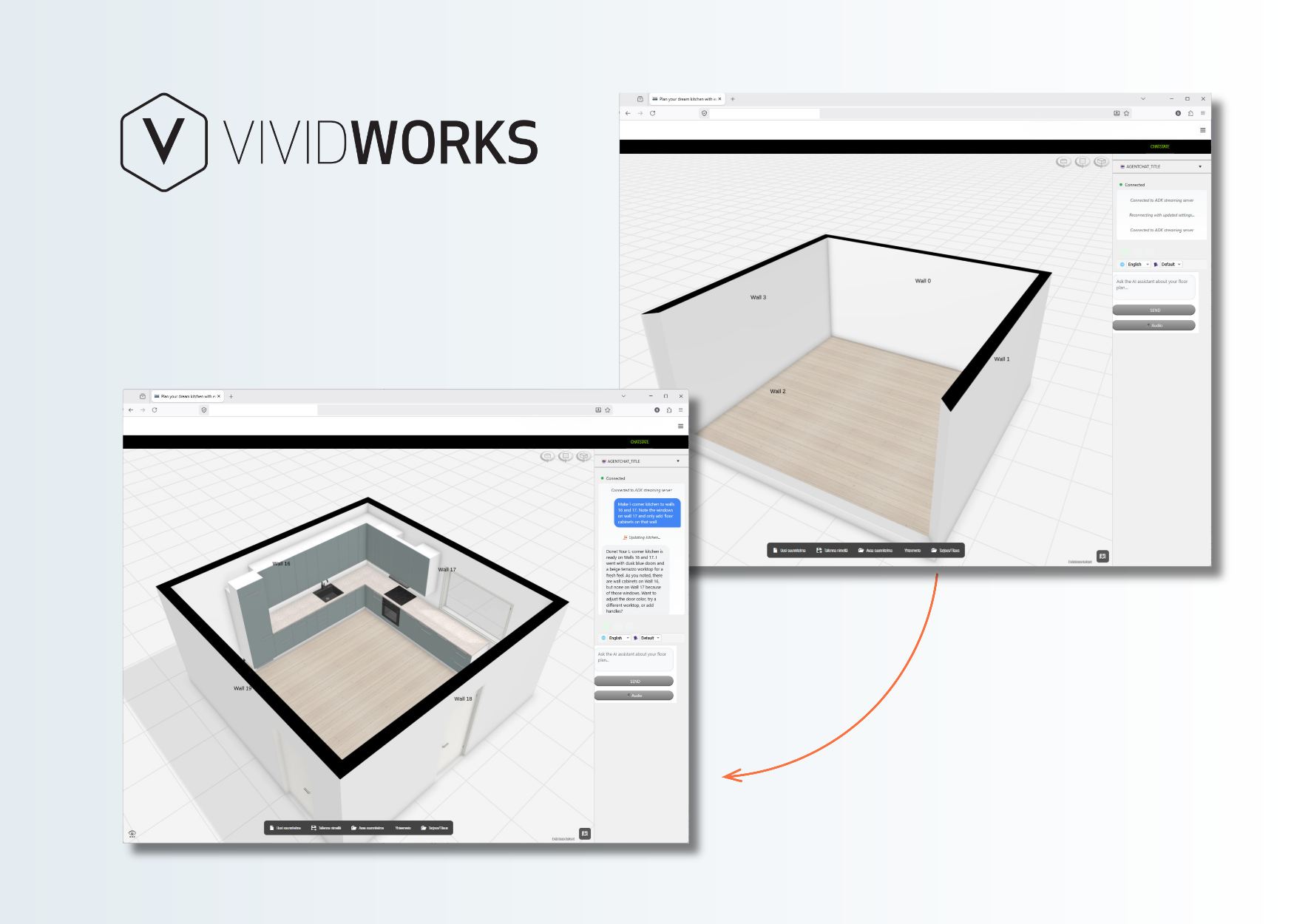
The user expresses an outcome:
"I want a galley kitchen with light oak fronts and a peninsula"
and the system builds it from real, configurable, sellable components.
Each layer needs the one before it.
➡️ Layer 1 by itself is just a nice picture.
➡️ Layer 2 without Layer 1 is a manual job with extra steps.
➡️ Layer 3 without Layer 2 is a chatbot making up products that don't exist.
What we choose not to do
- We don't build AI image rendering. That's a partner conversation when we need it.
- We don't ship demos that work in slides but break against a real catalog.
- We don't add features whose only KPI is impressions.
The bar is simpler: AI in this market has to make money. If a piece of AI work doesn't reduce a real cost or move a real conversion, it doesn't ship. Anti-hype is a positioning choice, but it's mostly a discipline choice. The market has enough demos. It needs more deals.
Coming up next
The next post covers VividWorks Floorplan AI - Layer 1 and Layer 2 work already in use.
30-45 mins to 2 mins with Floorplan AI, plus a bit of editing.
After that: VividWorks Builder AI, our Layer 3 work, where voice and text turn into real orders, starting with kitchens.
If you've been wondering where AI in 3D commerce actually earns its keep, those next two posts show the numbers.
Want to learn more about our approach to AI? Let's talk.
Table of Content
-3.avif)
Streamline your process today!