
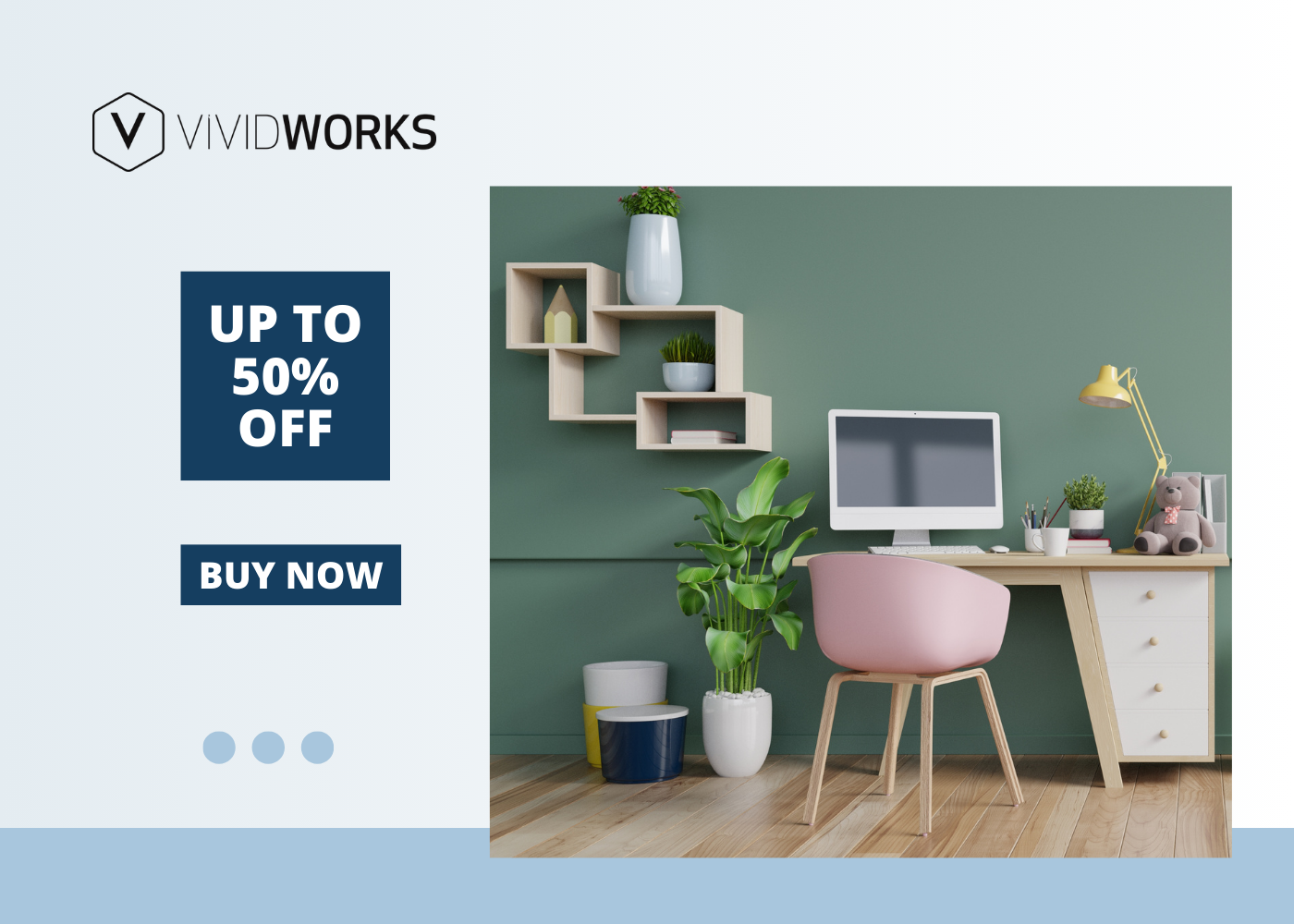

The furniture industry has traditionally relied on in-store experiences with salespeople to influence purchasing decisions. In 2025, however, some of the best furniture marketing campaigns have demonstrated that creativity, technology, and platform-native storytelling can help you establish a strong brand identity and capture buyers’ attention effectively.
From viral TikTok activations to cinematic CGI visuals, furniture brands are no longer just selling products; they are selling ideas, lifestyles, and emotions. This article examines three of the most popular marketing campaigns, breaking down exactly why they were successful. Right now, keep scrolling to discover and learn more from these campaigns!
What Makes A Furniture Marketing Campaign Popular
There are a range of factors that determine the success of your marketing campaign, from understanding brand values and buyer needs to utilizing innovative technologies. Here are the 5 shared characteristics behind today’s best furniture marketing campaigns:
Visual impact and product presentation
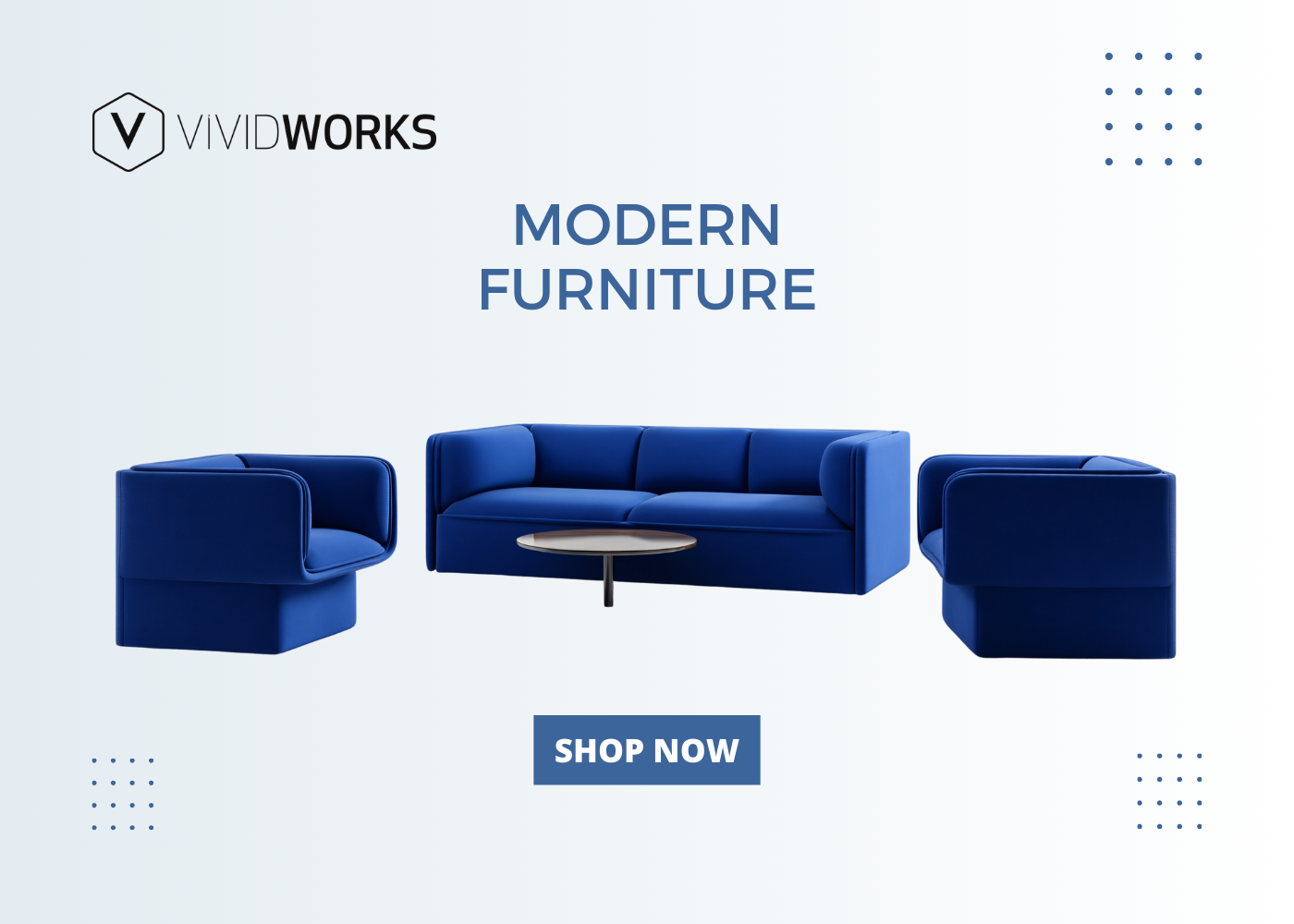
Furniture brands elevate product presentation through CGI, cinematic storytelling, and, increasingly, 3D product visualizations. These models create scroll-stopping moments while providing shoppers with a more profound clarity of how home decor displays in reality.
CGI excels at capturing attention, allowing your furniture brand to place furniture in striking, often impossible scenarios, from oversized billboards to surreal digital landscapes. As a result, you can spark interest and brand recall from customers, which are highly effective at the top of the funnel - emotional impact and memorability matter most for customers. On the other hand, 3D visualizations and images are created to enhance buyer engagement and decision-making. Buyers can discover the furniture from all angles, reducing uncertainty. These visual techniques are becoming a core part of modern furniture advertising campaigns, especially across social media and digital channels.
In short, CGI and 3D technologies enable furniture brands to implement a powerful visual strategy: one attracts attention, while the other converts interest into informed decisions.
Platform-native execution
Popular digital marketing campaigns should be designed for the specific platforms. Many furniture brands have tailored creative execution to how users consume content and the platform algorithm on TikTok, Instagram, and other social-first channels. For example, short-form videos, fast visual hooks, and storytelling formats help TikTok campaigns feel authentic rather than intrusive, effectively increasing watch time and click-through rates.
Audience participation and shareability
Furniture marketing campaigns are most effective when audiences are invited to interact or feel actively interested in joining. Whether it is uncovering hidden messages, reacting to unexpected visuals, or configuring furniture in 3D, viewers become active contributors. This increases shareability, helping campaigns spread organically and extend their reach.
Clear connection between creativity and business goals
Creative ideas are only practical when they are tailored to clear objectives. Thus, whether you aim to increase brand awareness, enhance product discovery, or drive conversions, creativity should be a strategic tool. The best furniture marketing campaigns succeed as they intentionally align imaginative execution with measurable outcomes, ensuring that creative expression directly supports their growth. Also, using user-generated content from customers and experts is a key aspect of this approach, which helps enhance trust.
Different social media marketing strategies for each audience segment and trends
The launch of a social media campaign should start with monitoring how different audience segments interact with content, decorate their homes, and express their identity online. By monitoring these behaviors, furniture brands can identify trends that resonate most with each group, from aesthetic preferences to content marketing formats and platform usage. Don't forget to combine with paid ads and email marketing to quickly lead customer engagement in the early days of your sales campaign.
3 Best Furniture Marketing Campaigns for Furniture Brands
#1. IKEA's “Do try this to find hidden tags" in Portugal
One of the most talked-about furniture marketing campaigns in 2025 came from IKEA Portugal. For years, IKEA has faced criticism for its furniture being affordable but not built to last. Instead of trying to reinforce the quality, IKEA lets buyers find relevant evidence.
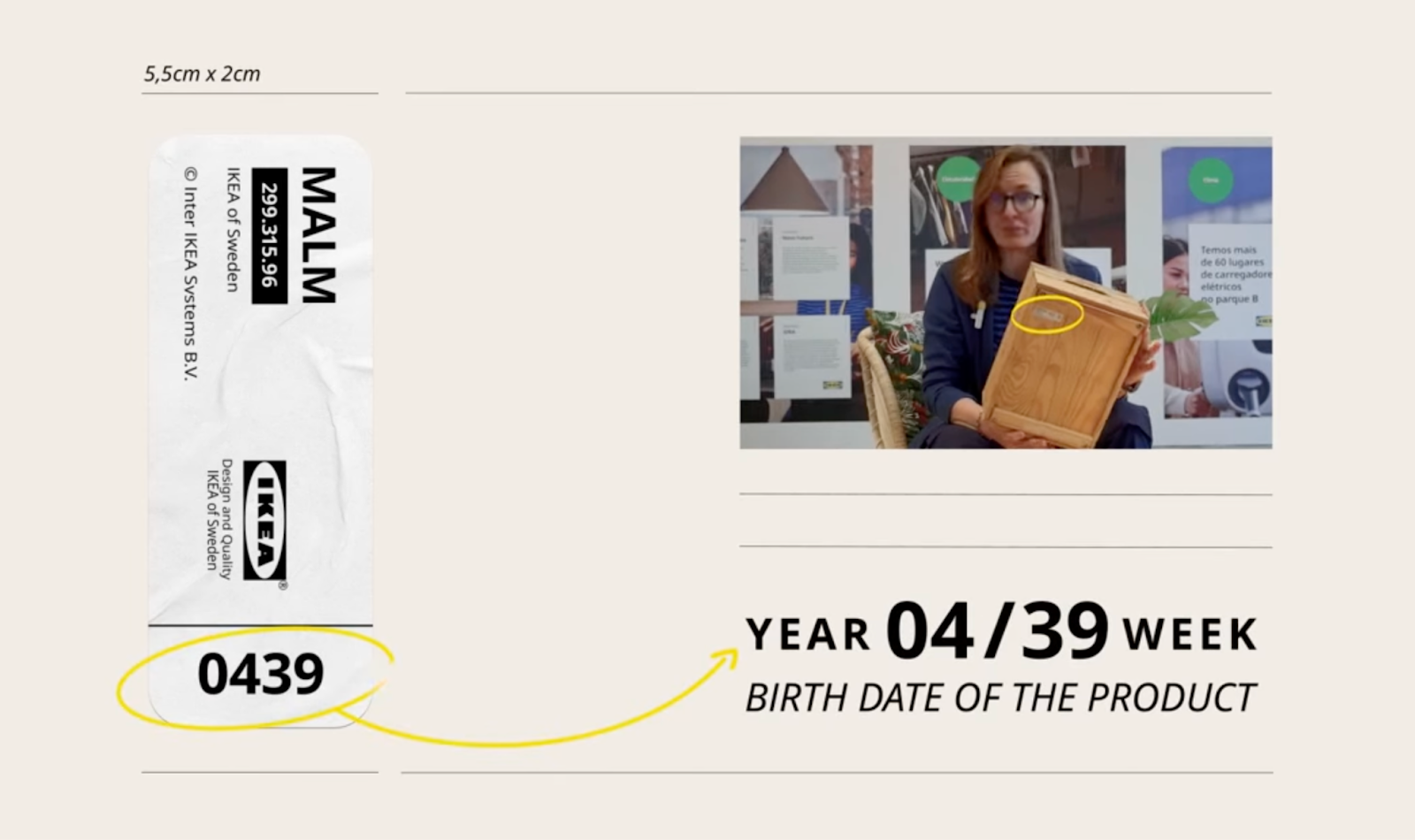
Every IKEA product includes a small label, indicating when it was made, typically hidden once the furniture is assembled. IKEA made this overlooked detail into the foundation of a nationwide treasure hunt. Buyers were invited to find the label on their furniture, use a website to decode the manufacturing date, and share a photo on social media to see how long their IKEA furniture had lasted. IKEA also offers a prize for the person who discovers the oldest IKEA item, with a chance to win thousands of euros in gift cards.
Why it works:
- Don’t deny doubts around durability directly; IKEA addressed them head-on with verifiable, user-generated proof.
- Use real products, making the message far more credible than any scripted ad.
- Turn the idea into a treasure hunt and contest to encourage mass participation.
- Enable emotional storytelling to position IKEA as part of life’s milestones.
What we can learn for further campaigns:
- Let the audience join in uncovering the values instead of pushing it aggressively.
- Design campaigns that feel native to social behavior, not traditional ad logic.
- Identify the most effective platforms to launch furniture marketing campaigns.
- Ensure creative ideas are supported by strategic objectives and real-world cases.
#2. Wayfair Furniture Campaign: “Get it out of your head and into your home.”
What makes the Wayfair campaign one of the best furniture marketing campaigns is that it turns a familiar consumer habit (e.g., daydreaming about perfect interiors) into reality. Thus, the core message through two 20-second TV spots is that the furniture people imagine for their real environment already exists on Wayfair and can be delivered quickly.
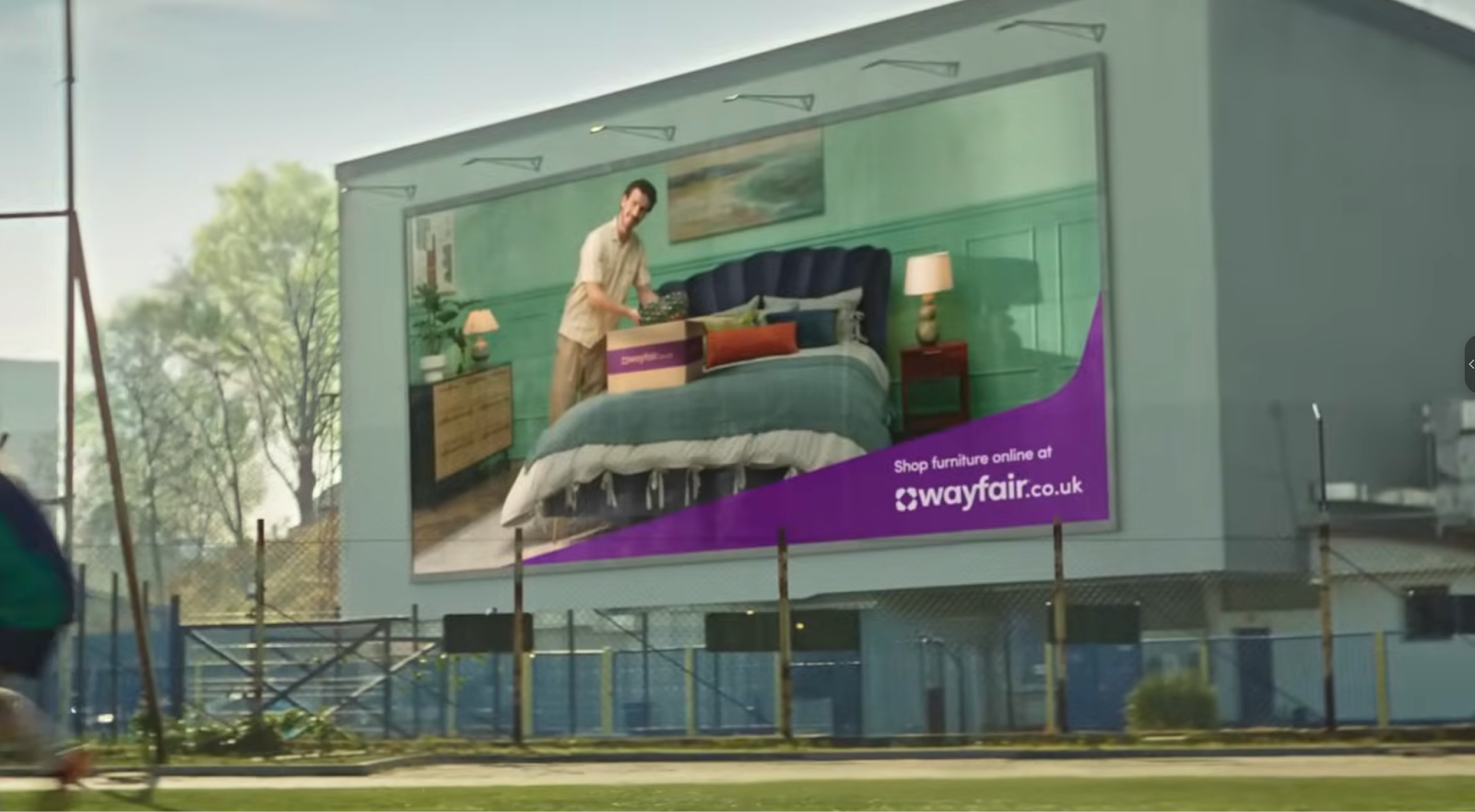
For example, a rugby player imagines himself inside a perfectly styled bedroom, but the scene abruptly reveals that he is actually standing on a rugby pitch, moments before being tackled. These furniture items don’t disappear; they are real purchases on Wayfair.
Why it works:
- Mirror how people collect inspiration on Pinterest or while scrolling social feeds.
- Comedy makes the message memorable without feeling overly promotional.
- Strengthen the brand identity as the bridge between imagination and reality.
- Translates seamlessly across TV, social, digital, email, and out-of-home formats.
What we can learn for further campaigns:
- Offer emotional feelings that often outperform feature-heavy messaging
- Align the brand promise with the buyer's mindset at decision-making moments.
- Add a touch of humor to make the brand approachable to potential customers.
#3. DE.CI’s Niche Advertisements with CGI (3D Visualizations)
DE.CI launched a visual CGI-led campaign that places its furniture in large-scale public environments, effectively turning ordinary spaces into immersive digital showrooms. Through hyper-realistic 3D visualizations, the brand showcased sofas and living room setups in front of commercial buildings, effectively capturing the attention of customers.
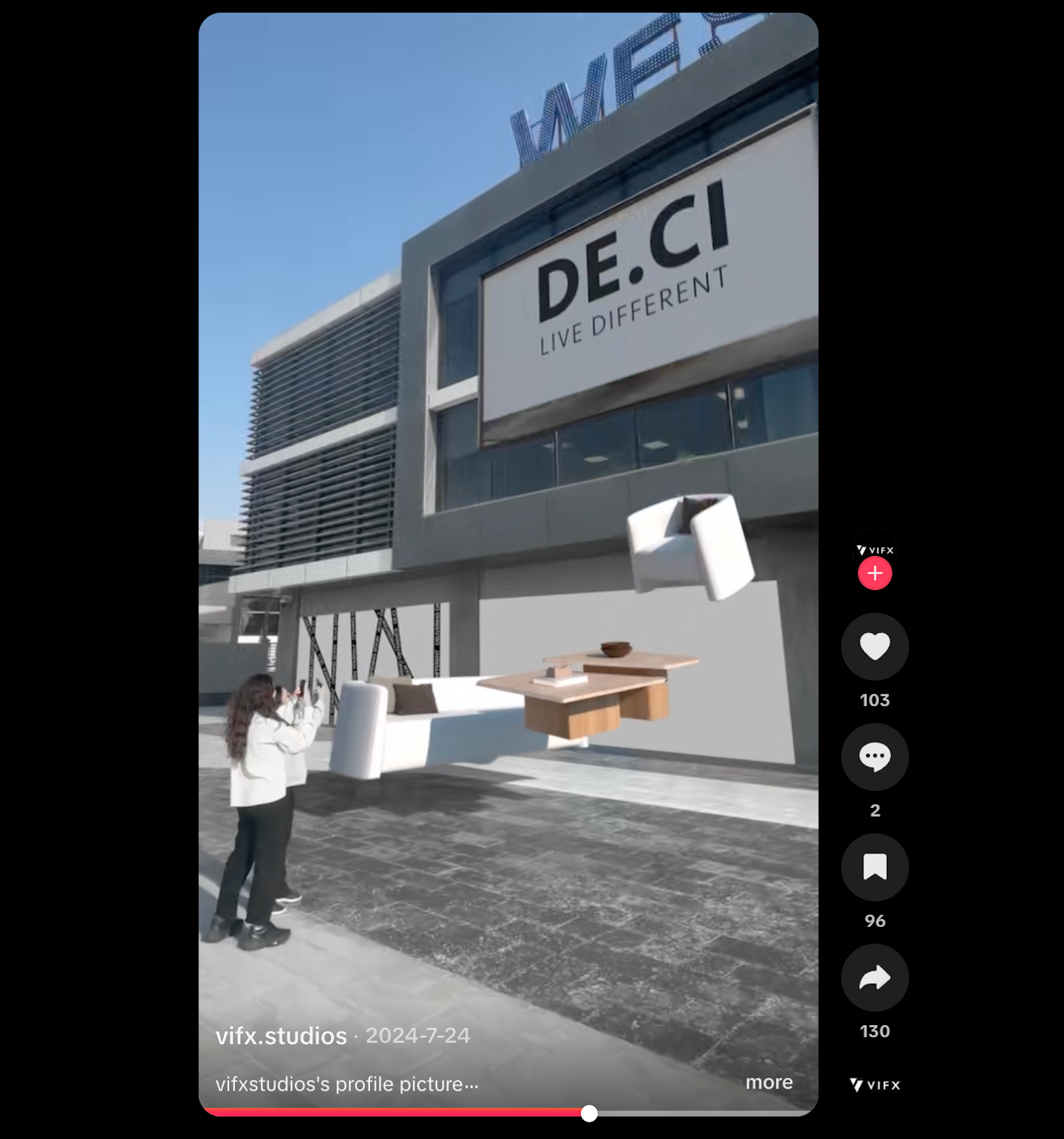
Notably, this moment was all recorded on video, which was then distributed through social platforms such as TikTok and Instagram, where short-form content performs best. In short, CGI advertising is great for achieving virality and engagement, fostering creative flexibility, and enhancing brand awareness for emerging furniture brands in the market.
Why it works:
- Create a strong “scroll-stopping” effect that captures attention within seconds.
- Enable accurate scale and shadows to make the furniture appear believable.
- Offer vertical video format and minimal copy align perfectly with TikTok.
- Reinforce DE.CI’s image as a modern and design-forward brand.
What we can learn for further campaigns:
- Utilize 3D visualization through CGI advertising to enhance product realism.
- Have public-space presentations for top-of-funnel awareness.
- Ensure CGI videos can be repurposed across all marketing channels.
Conclusion
Our blogs reviewed the 3 best furniture marketing campaigns that you can consider as inspiration for your future campaigns. Each example highlights how strategic creativity and innovative technologies, such as CGI advertising and 3D product visualizations, can elevate furniture marketing performance when aligned with clear business objectives. Moreover, don’t forget social media platforms - they’re critical to make the content viral.
Contact us today to discover more information about 3D technology from our experts!
Table of Content
-3.avif)
Streamline your process today!



.png)
