Manufacturers are entering a new phase of significant transformation. Global competition, technological advancements, and evolving buyer expectations are pushing companies to rethink how they design, produce, and deliver products. Manufacturers are not only focused on improving efficiency—they are also building smarter and more sustainable operations.
Several manufacturing trends are emerging as key drivers of this industry. 3D configuration tools, artificial intelligence, and immersive visualization are changing how products are sold. Simultaneously, sustainability goals, supply chain disruptions, and shifting business models are reshaping production strategies. Now, let’s explore and clarify the relevant points below.
1. Advanced visual configuration technology enabling custom manufacturing in design and sales
The first manufacturing trend involves adopting 3D visual configuration technologies to meet the rising need for made-to-order products and personalized buying experiences. Clients expect more than standard options; they want solutions tailored to their preferences.
This shift toward production design trends is already producing measurable results. According to McKinsey & Company, fast-growing brands have achieved 40% more revenue from personalization than slower-growing competitors. Thus, manufacturers are increasingly investing in digital product configuration tools, enabling scalable custom manufacturing.
Using 3D modeling in sales and design has gone viral, with 3D product configuration software featured as a solution. It lets users customize products from scratch by selecting materials, components, dimensions, and more, and instantly preview their selections in 3D. This not only improves the customer experience but also reduces configuration errors and speeds up decision-making, as clients don’t need to wait for back-and-forth communication.
Furthermore, many manufacturers chose 3D CPQ software to help their sales teams and customers configure products visually, explore options, and receive accurate pricing in real time. Apparently, instant updates are essential for minimizing quoting errors or surprises at checkout and for providing a clear, interactive preview of even the most complex products.
2. Focusing on Sustainability and Carbon Neutrality
Sustainability has moved from a marketing message to a core operational priority. Governments, investors, and buyers increasingly expect environmentally responsible practices. Thus, sustainability has become one of the most important manufacturing trends.
A key part of this shift is the move toward carbon-neutral manufacturing. Many companies are setting environmental targets to reduce emissions and improve energy efficiency across their production processes. To support these goals, manufacturers are adopting strategies:
- Reducing energy consumption in factories
- Transitioning to renewable energy sources
- Using recyclable or biodegradable materials
- Designing products with longer life cycles
- Utilizing automation tools for designing and manufacturing
3. The Widespread Adoption of AR and VR
Augmented Reality (AR) and Virtual Reality (VR) technologies allow users to interact with products more immersively before production or purchase. With complex, highly modular products, these manufacturing trends play an important role in improving user confidence.
For example, augmented reality for furniture enables customers to visualize how customized furniture pieces will look and fit in their own environment using a mobile device’s camera. Instead of imagining everything, you can understand exactly what the final designs will be.
Beyond sales, AR and VR are also applied in product development, training, and remote collaboration, making them increasingly valuable tools for many manufacturing businesses.
4. Digitized the Supply Chain Networks
Manufacturers are more likely to allocate a greater share of their investment to connected technologies to transform visibility, efficiency, and resilience across their supply chains.
Smart supply chains can analyze large volumes of operational data to forecast demand, optimize inventory levels, and improve production planning. These systems help companies respond more quickly to market fluctuations and disruptions, strengthening their flexibility.
Real-time tracking technologies also provide continuous visibility into shipments, inventory, and supplier performance. Combined with predictive logistics tools, you can anticipate delays, identify risks early, and make proactive adjustments to maintain smooth operations.
5. Reshoring and Regional Manufacturing
These manufacturing trends result from companies seeking greater supply chain resilience. After years of relying on global outsourcing to reduce production costs, manufacturers are reconsidering the risks associated with complex supply chains to ensure optimal operations.
Disruptions caused by geopolitical tensions, unexpected pandemics, shipping delays, and rising transportation costs have encouraged businesses to move production closer to their primary markets. By building regional manufacturing hubs, companies can shorten delivery times, improve quality control, and respond more quickly to changing demands. Meanwhile, reshoring helps boost local partnerships while ensuring dependency on distant suppliers.
6. Increased Implementation of Integrated Solutions
These days, instead of relying on disconnected systems, manufacturers are building a connected technology ecosystem that includes design, production, and sales processes.
ERP (Enterprise Resource Planning), CPQ (Configure, Price, Quote), and PLM (Product Lifecycle Management) are three core platforms that help manufacturing businesses manage product data, pricing rules, and workflows more efficiently. Simultaneously, digital twin technologies enable the simulation and analysis of products before physical production officially begins.
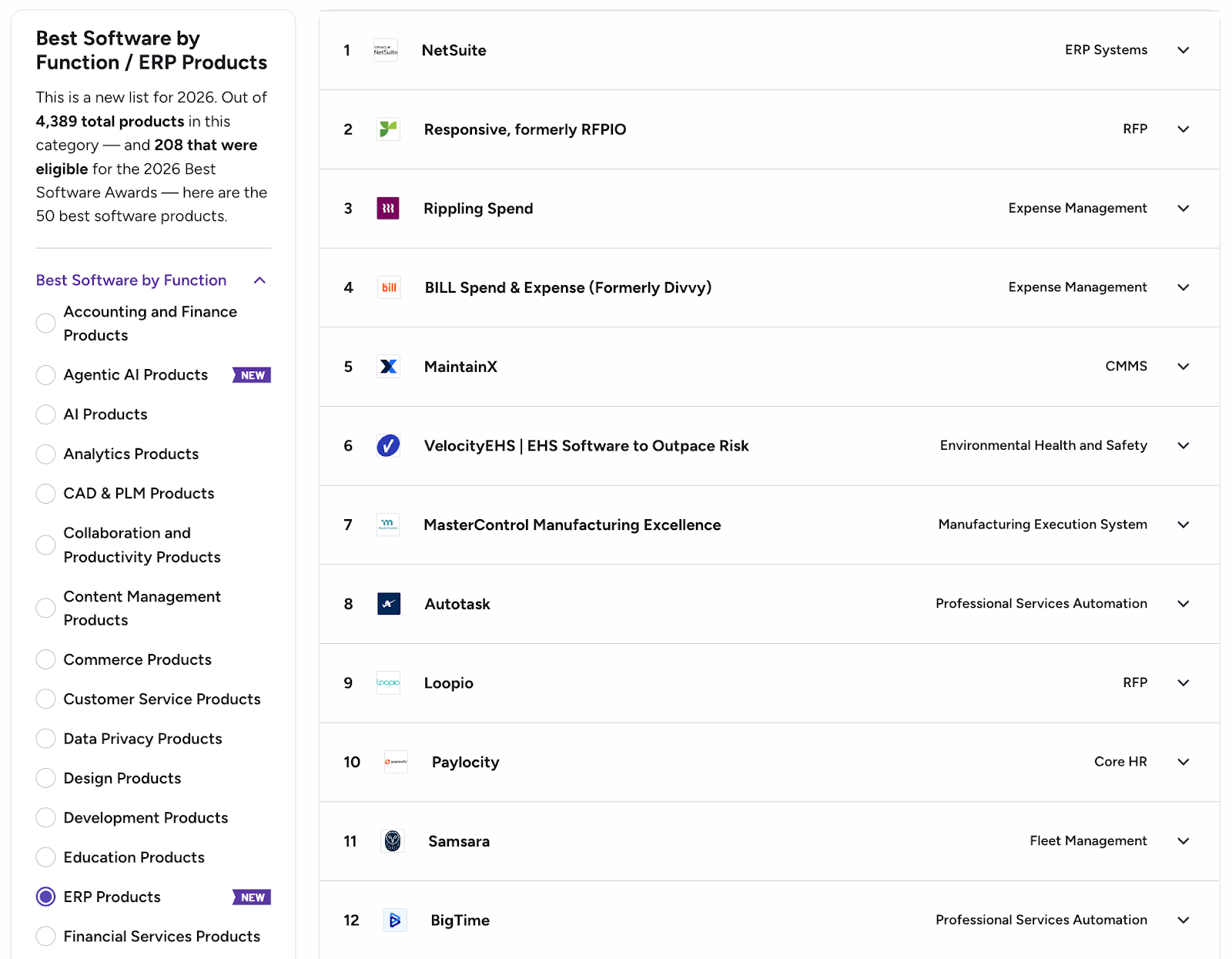
Product visualization and configuration tools are non-negotiable for custom manufacturing. These solutions that leverage 3D visualization to boost online product experiences allow customers to interact with products in realistic 3D environments, improving engagement.
When combined with advanced eCommerce solutions, these integrated platforms help manufacturers streamline their sales channels and scale their businesses more effectively in the expanding eCommerce landscape, projected to reach up to US$3.87 trillion by 2026.
7. The Shift from B2B to B2C
The final manufacturing trend indicates the transformation in how businesses sell products. Many manufacturers are using direct digital channels to transform their revenue streams rather than relying solely on distributors or retailers. This is also one of the most effective solutions to gaining greater control over your pricing, branding, and customer relationships.
It’s recommended to adopt direct-to-consumer strategies through eCommerce platforms such as Shopify and Magento, as well as online marketplaces. In this way, manufacturers can collect valuable buyer data and respond more quickly to changing consumer preferences.
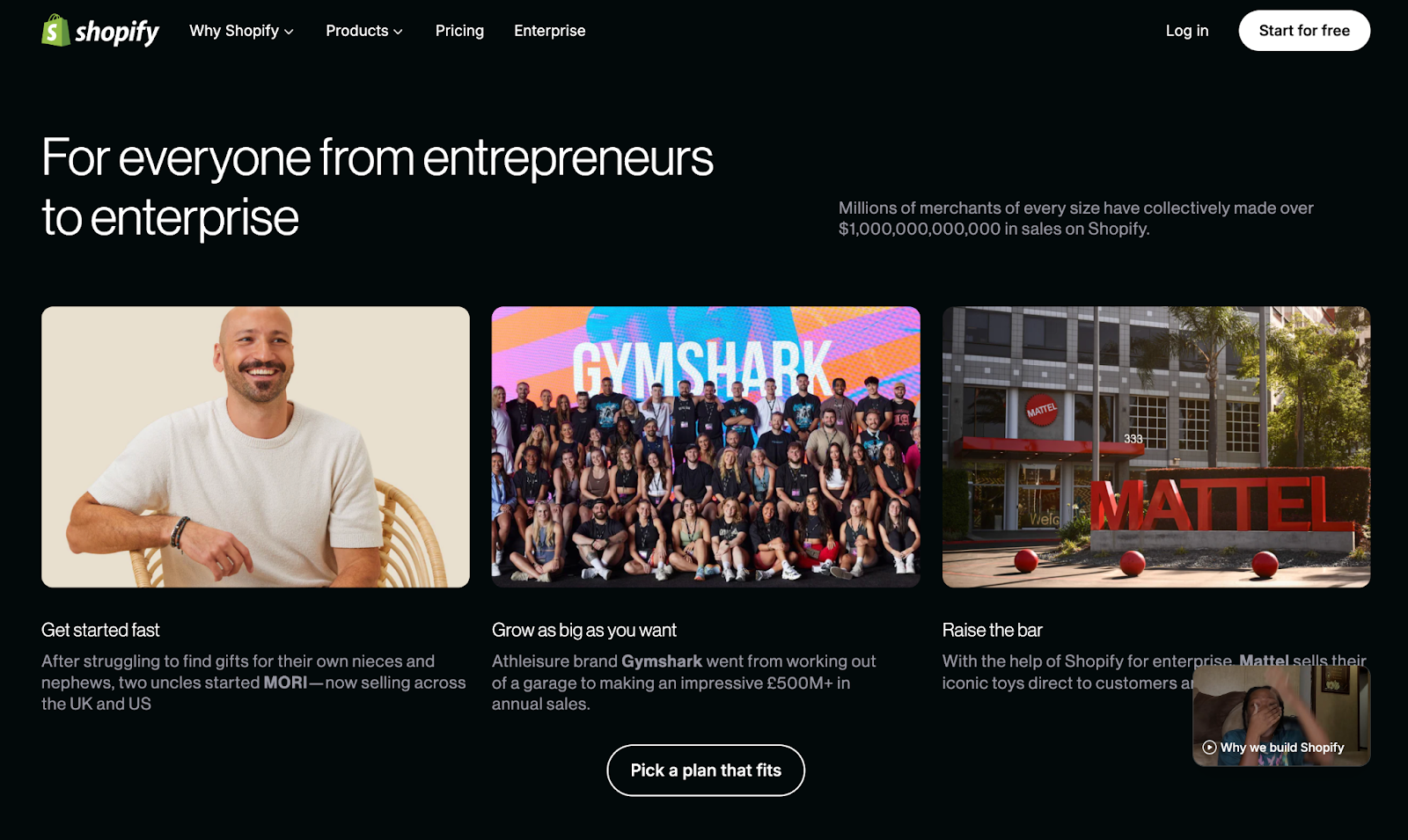
As a result, they can improve product development, personalize sales campaigns, create unique journeys, and especially increase profit margins by reducing intermediary expenses. Over time, adopting a B2C model strengthens brand loyalty and your brand's competition.
Conclusion
With the seven potential manufacturing trends above, hopefully, manufacturers can better understand the technological and strategic transformations shaping the industry in 2026. From that, they can better position themselves to meet rising customer expectations, improve operational efficiency, and stay competitive in a rapidly evolving market like today.
Talk to us to deeply understand how 3D visual configuration tools and AR boost your sales!
Table of Content
-3.avif)
Streamline your process today!



.png)