
The way people live is changing, and so are the spaces they live in. Rising housing costs, shrinking apartment footprints, and shifting tenant expectations are driving a demand for smarter, more adaptable living environments, especially the adoption of modular furniture.
Modular furniture trends show that property developers and operators in the multifamily sector are no longer treating furniture as an afterthought. Instead, custom modular furniture is becoming a key part of how forward-thinking developers attract and retain residents.
Right now, keep scrolling for further insights!
What Is Modular Furniture?
Modular furniture is furniture built from independent, interchangeable components that can be arranged, expanded, or reconfigured to suit different spaces and needs. Unlike traditional furniture, which is fixed in form, these modular systems are tailored to diversified use cases.
Below are 7 common examples that you should consider before kick-starting your business:
- Modular sofas that can be arranged in different seating configurations
- Storage systems with stackable or repositionable units
- Wall units that combine shelving, desks, and media consoles
- Workstations with adjustable layouts for hybrid home-office use
- Multifunctional furniture that serves multiple roles in a single footprint.
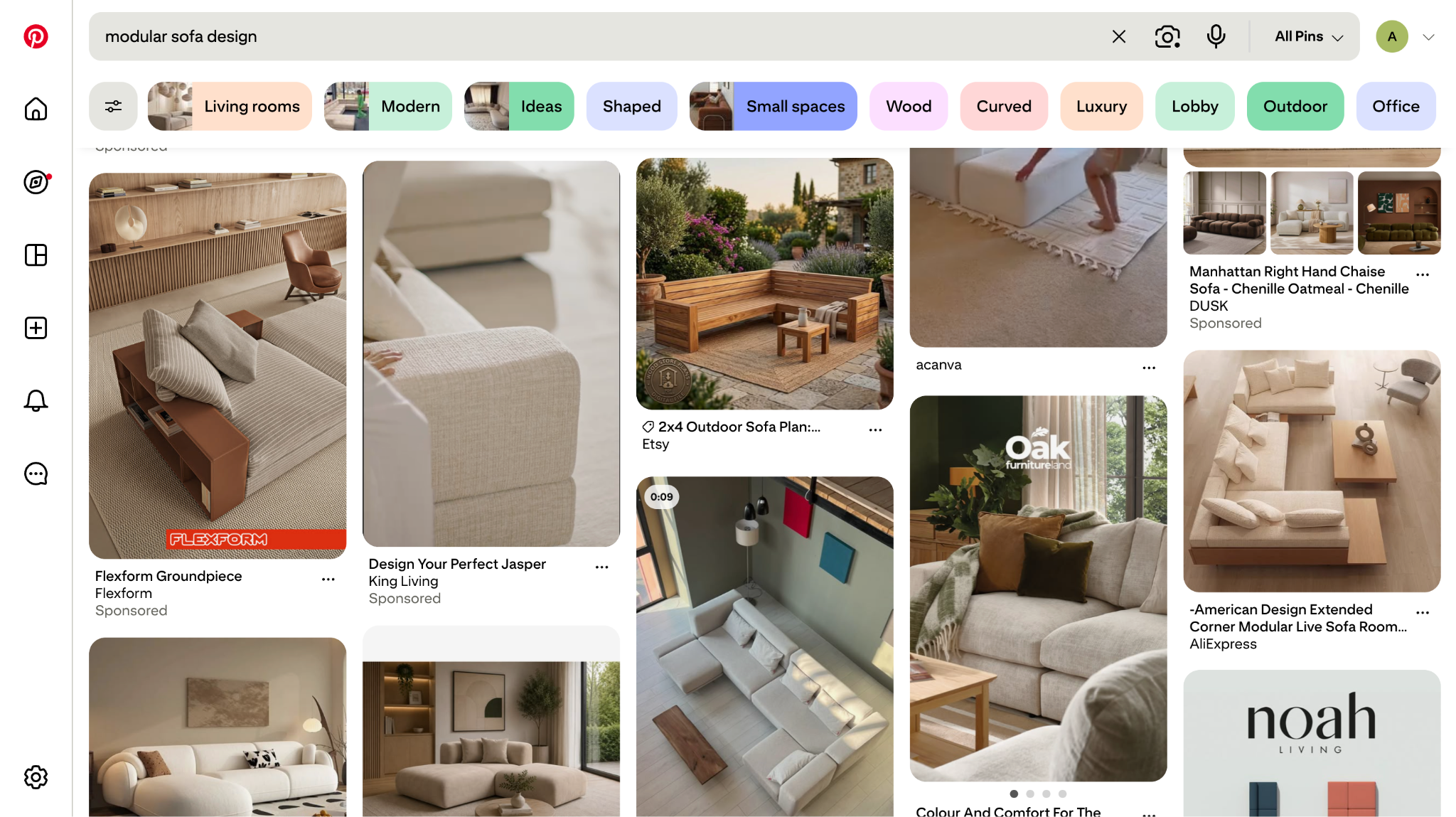
What sets modular furniture apart is its high level of furniture customization, allowing users to effortlessly tailor each piece to a specific floor plan or their unique lifestyle. For example, a corner sofa in a studio can become an L-shaped seating area, or a storage wall can be split across two rooms. This is exactly what modern multifamily housing currently demands.
Top Modular Furniture Trends Shaping Multifamily Housing
1. Low-Profile Pieces That Keep Spaces Feeling Open
In flexible living spaces, visual weight matters. Residents are more likely to choose furniture that doesn’t overwhelm the room. Low-profile modular pieces, with slim arms, recessed legs, and clean silhouettes, help apartment furniture feel intentional. It is also one of the modular furniture trends that support an open, airy aesthetic, making it photograph well for listings.
2. Fully-Custom Modular Systems with Flexible Customization
Build-to-rent communities are increasingly selecting fully-custom modular furniture packages that balance standardization with flexibility. Operators can choose adaptable base systems that can be customized at the unit level, such as adding a chaise lounge, swapping modules, and adjusting configurations, instead of entirely working with separate components.
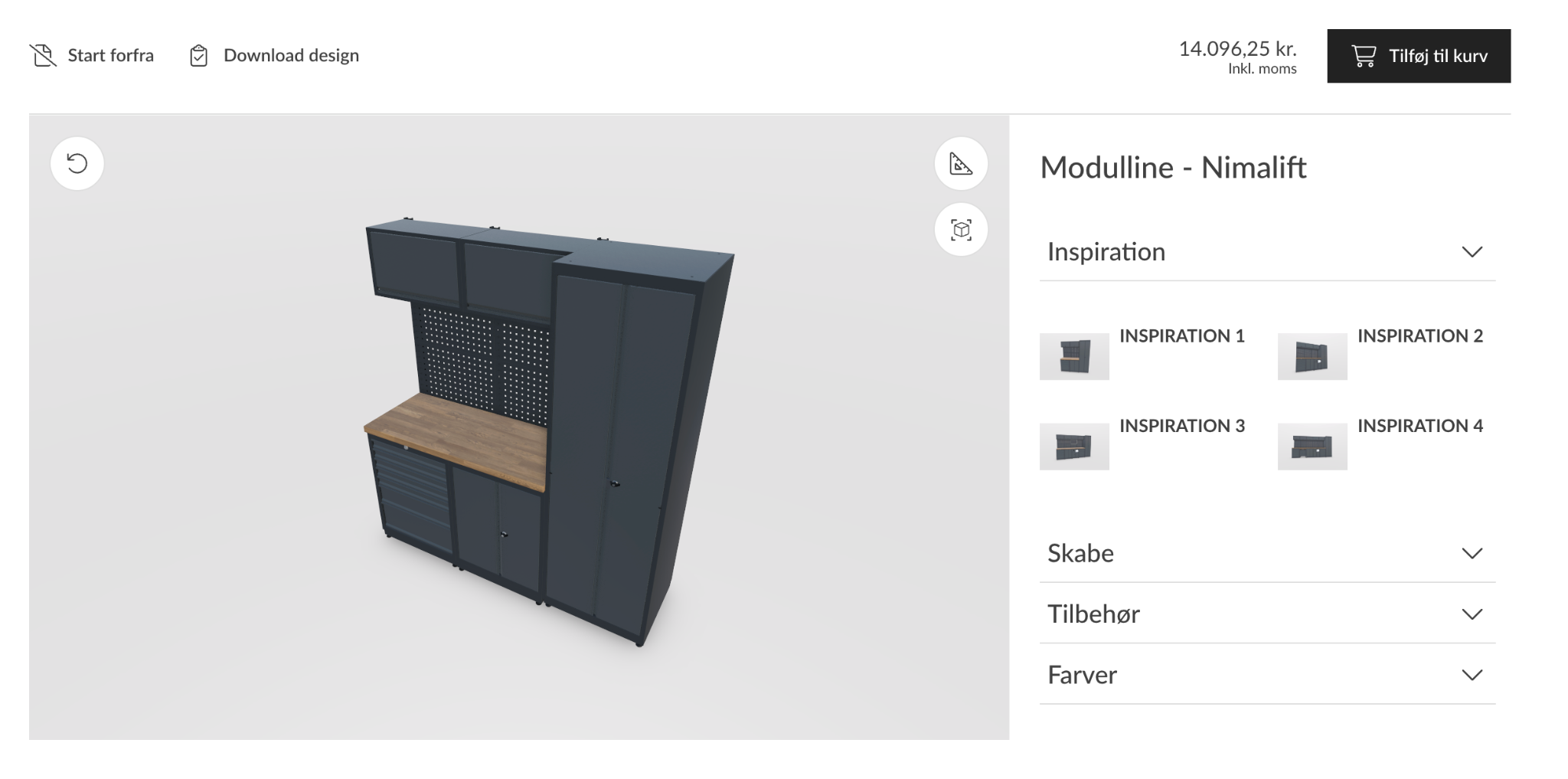
In this way, manufacturers can ensure high consistency when needed at scale while still addressing the specific layout and lifestyle needs of each unit type. Tools like a modular product configurator enable sales teams and customers to visualize these customizations. Specifically, it features inspirations, and users can select components under a pre-built logic.
3. Integrated Storage That Maximizes Every Square Foot
Space optimization is one of the most defining challenges of apartment furniture design. When selling multifamily furniture solutions, you clearly know that every square foot counts; thus, buyers expect storage to be built into their furniture, not bolted on as an afterthought.
From sofas with hidden compartments to modular wall units that combine display shelving with concealed storage, integrated storage is now a standard expectation. These designs help reduce clutter, maximize usable living space, and create more organized environments. Learning how to use 3D configurators tailored to modular storage to clarify how these digital tools are supporting this process at scale, instead of only focusing on general configurators.
4. Built-In Technology and Integrated Power
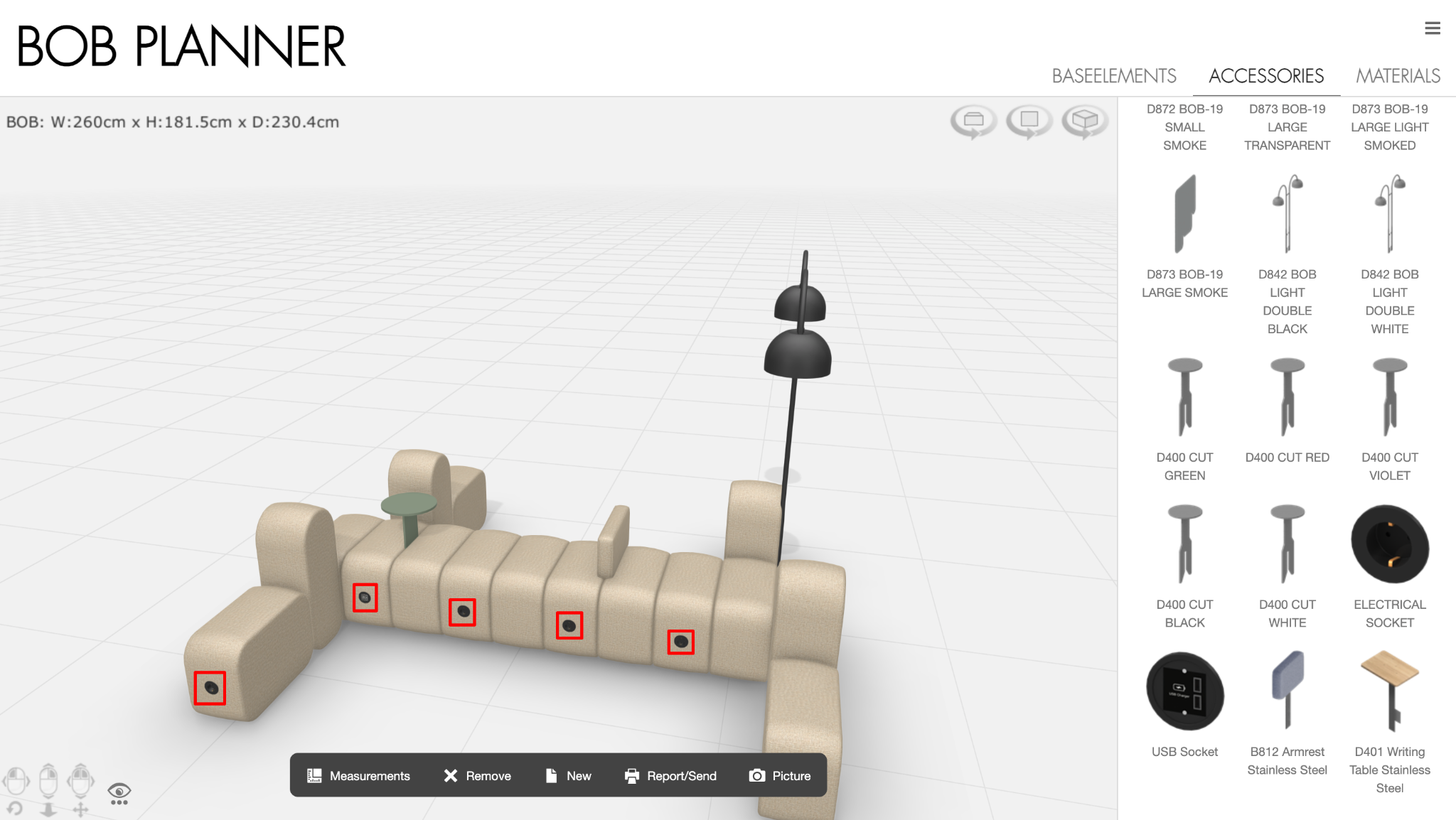
Smart furniture design is moving into the mainstream of multifamily development. Modular pieces now include USB charging ports, wireless charging pads, integrated task lighting, and cable management systems built directly into the furniture, all while ensuring user safety.
For build-to-rent communities targeting young experts, tech integration is a differentiating factor. This reduces the need for extension cords and supports the hybrid work lifestyles.
5. Sustainable and Long-Life Modular Systems
Sustainable furniture is no longer a niche preference; it is quickly becoming a procurement standard for forward-thinking multifamily operators. Modular systems enable this uniquely: When one component wears out, it can be replaced independently, extending the life cycle.
Apparently, this modular furniture trend stands in contrast to traditional furniture, where damage to one section often leads to replacing the entire piece. Thanks to it, brands that manage large inventories across hundreds of units can achieve meaningful cost savings.
6. Community-Focused Furniture for Amenity Spaces
Multifamily development has increasingly shifted toward community-building, including coworking lounges, rooftop terraces, fitness studios, and social or gathering rooms. Therefore, these furniture pieces have become key selling points for prospective residents.
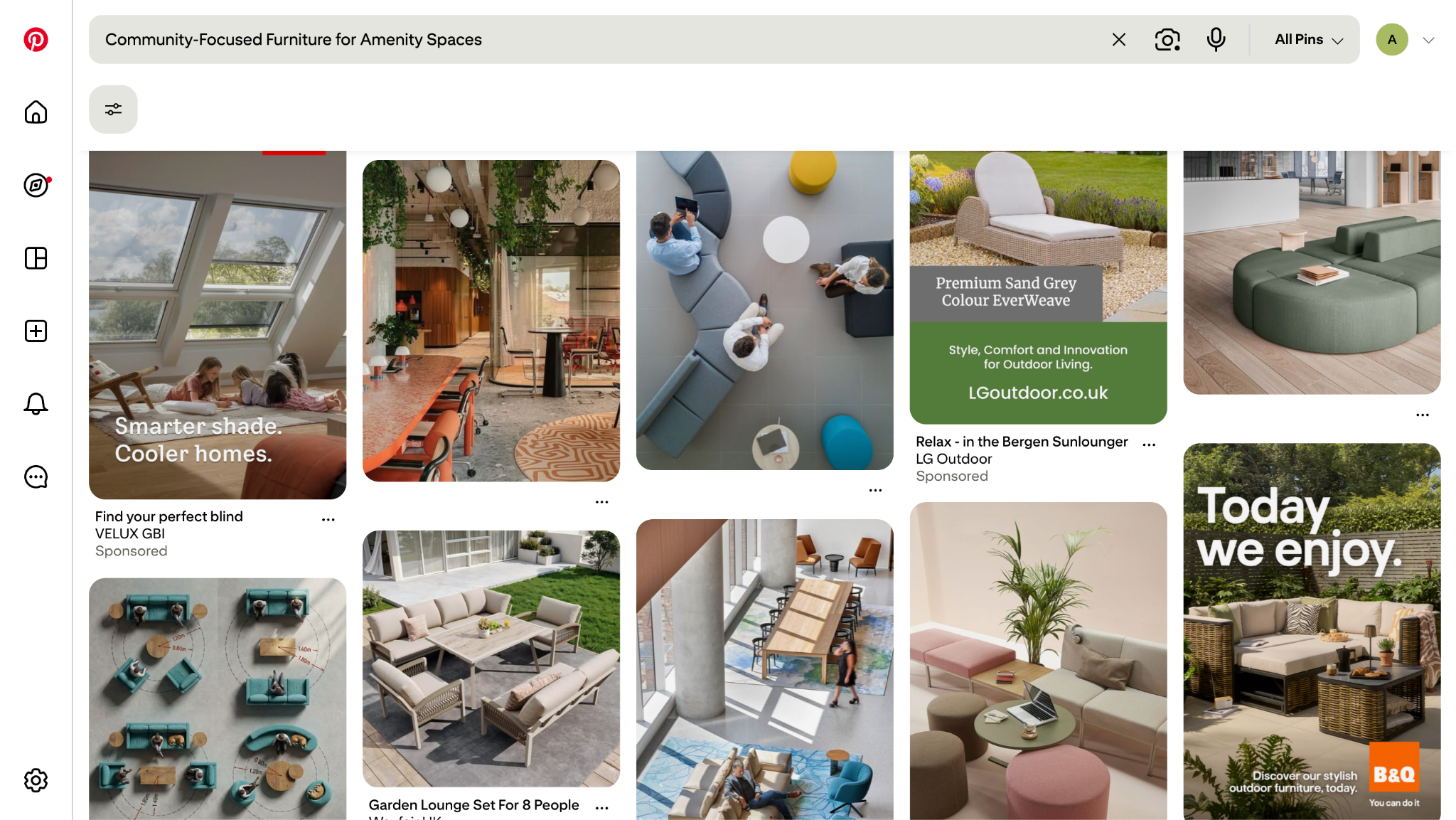
Key players are targeting space-saving furniture solutions that can be easily reconfigured for group sizes to better engage customers. This seems nearly impossible: a seat that supports 10 people for small talk can be rearranged to accommodate 40 for a community event. However, in this modular furniture trend, manufacturers can completely satisfy this need.
7. Multifunctional Furniture for Hybrid Lifestyles
Hybrid living spaces have permanently changed how residents use their homes. A living room that now needs to function as a workspace, entertainment zone, and relaxation space, often on the same day. Modular furniture that supports all three modes without requiring a complete room rearrangement is no longer a luxury for residents; it is a practical necessity.
8. Reconfigurable Seating for Flexible Living
Last but not least, this kind of modular furniture is also the most foundational and common application. The ability to rearrange a sofa or sectional to suit a different layout or even a different unit gives a unique level of flexibility that only brands that sell modular sofas offer.
But investing in seating solutions like sofas requires greater attention to fit and aesthetics, because it is how customers welcome guests and care for their daily lives and work. Therefore, in addition to 3D sofa configurators for real-time configuration and visualization, adopting platforms that include augmented reality for real furniture experiments is critical. Buyers will better understand the final designs and know whether they meet expectations.
Why Custom Modular Furniture Is Making a Comeback
The renewed interest in custom modular furniture across the multifamily sector is being driven by several converging factors. So, it’s time to take a closer look with our experts:
- Better Space Utilization
This furniture allows developers to maximize every usable square foot, fitting more function into smaller footprints without making units feel cluttered. This doesn’t mean you sacrifice your comfort for practicality; it just means you focus on optimizing space for more purposes.
- Improved Resident Experience
Adaptable furniture helps residents feel more at home literally. When a resident can reconfigure their sofa to suit a dinner party or rearrange their storage to accommodate a new roommate, the furniture works for them, not against them. That flexibility directly improves the resident experience, which in turn supports retention and positive reviews.
- Lower Long-Term Costs
Durability and replaceability are two of the strongest financial arguments for multifamily furniture solutions. High-quality modular systems with replaceable components cost more upfront than budget flat-pack alternatives, but they last significantly longer. If you have a business with thousands of units, the long-term savings on replacement can be substantial.
- Design Flexibility
Custom modular furniture helps maintain consistent branding and aesthetic standards across a property while still adapting layouts to different unit types and sizes. A studio, a one-bedroom, and a two-bedroom can all share the same furniture system but configured differently. That design coherence makes a property feel considered and well-managed.
- Increased Property Appeal
In competitive rental markets, resident experience is a differentiator. Properties furnished with thoughtfully designed, high-quality modular furniture stand out, both in listing photography and during in-person tours. For residents choosing between comparable units at similar price points, the quality and adaptability of the furniture can be the deciding factor.
Conclusion
Modular furniture is a strategic asset for multifamily developers and customers who value flexibility, sustainability, and long-term cost savings. Reconfigurable furniture, space-saving pieces, and smart furniture designs are typical modular furniture trends you can consider. Despite that, to ensure the best results for sales and stable growth, you need to choose a proper niche, build a well-structured business plan, and use the right configuration, visualization, and manufacturing technology to support operational processes smoothly.
Book a demo with VividWorks to see how 3D visual configurators help you transform sales.
FAQs
- What is modular furniture?
It is a system of individual, interchangeable components that can be combined, rearranged, or expanded to create different furniture configurations. Unlike fixed furniture, modular pieces adapt to different spaces and uses, making them ideal for flexible living spaces.
- Why is modular furniture popular in apartments?
Modular apartment furniture is popular because it solves the core challenge of apartment living: making the most of a limited footprint. Through space optimization and furniture customization, clients can adapt their furniture to their lifestyle while reducing replacement.
- What are the latest modular furniture trends?
The latest modular furniture trends include integrated storage, low-profile silhouettes, pre-configured layouts and inspirations, built-in technology, sustainable furniture pieces with replaceable components, and smart furniture design for hybrid work and lifestyle use.
- Is custom modular furniture more expensive?
Custom modular furniture typically has a higher upfront cost than standard flat-pack alternatives. However, thanks to durable construction, it delivers stronger long-term value.
Table of Content
-3.avif)
Streamline your process today!