

For many businesses, the second half of the year can decide the whole year's performance. A strong furniture marketing plan for H2 isn’t built for October; it starts months earlier, with campaigns mapped to real seasonal buying behaviour and budget pointed at the channels shoppers are using. For example, the back-to-school reason has expanded well past backpacks and notebooks to include form furniture and other move-in essentials, with two-thirds of buyers buying by early July and brands rolling out promotions as early as June.
Another striking point found furniture was one of the 3 categories, alongside electronics and apparel, that drove over half of the record $257.8 billion in U.S online holiday sales in 2025. Apparently, preparing a marketing plan for furniture businesses during H2 has to consider both ends of that window, not only focusing on the Black Friday spike, following customers as they tend to move between search, social media, marketplaces, and physical showrooms.
Right now, keep scrolling to learn how to kickstart a dedicated furniture H2 marketing plan!
H2 Is the Most Important Selling Season for Furniture Retail
July through December typically delivers the largest share of annual furniture revenue, driven by plenty of seasonal moments that every size of business needs to concentrate on:
- Back-to-School
- College move-in
- Labor Day
- Halloween
- Black Friday
- Cyber Monday
- Christmas
- End-of-year clearance
Each period rewards different holiday marketing strategies for furniture stores. For example:
- Back-to-school and move-in favor compact, functional pieces for dorms
- Labor Day and Black Friday reward aggressive value messaging
- Christmas and clearance shift toward gifting, hosting, and inventory turnover.
That’s why treating every one of these moments with the same recycled campaign wastes the biggest chances. A genuine marketing plan for furniture businesses should differentiate merchandising and messaging season by season, not just discount harder each time.
Learn more: Boosting Cyber Monday Sales with 3D and AR Product Visualization
The Biggest H2 Priorities Furniture Brands Should Focus On
You need to understand that a sample marketing plan for a furniture company is only reference material; it is not a thing that you can use directly for defining your mid-year marketing. Instead, a successful H2 strategy should focus on the most impactful initiatives:
- Balancing promotional activity without damaging profit margins
- Improving the overall customer experience
- Delivering a consistent omnichannel shopping journey
- Personalizing marketing and product recommendations
- Aligning inventory planning with marketing campaigns
- Maximizing first-party customer data for better targeting
- Measuring profitability and customer lifetime value, not just revenue or traffic.
Marketing Channels Worth Doubling Down on in H2 2026
Organic Search (SEO)
Seasonal buying guides, gift guides, and dedicated holiday landing pages compound in value every year they’re maintained, and local search remains essential for showroom visibility during high-intent periods, such as Black Friday and Christmas. Search visibility is also a conversion issue: even strong seasonal traffic underperforms if the website itself doesn’t sell.
Most high-converting furniture websites today are fast, visually rich, and easy-to-navigate. Besides offering high-quality content, ensuring these aspects are critical for boosting sales.
Paid Search & Shopping Ads
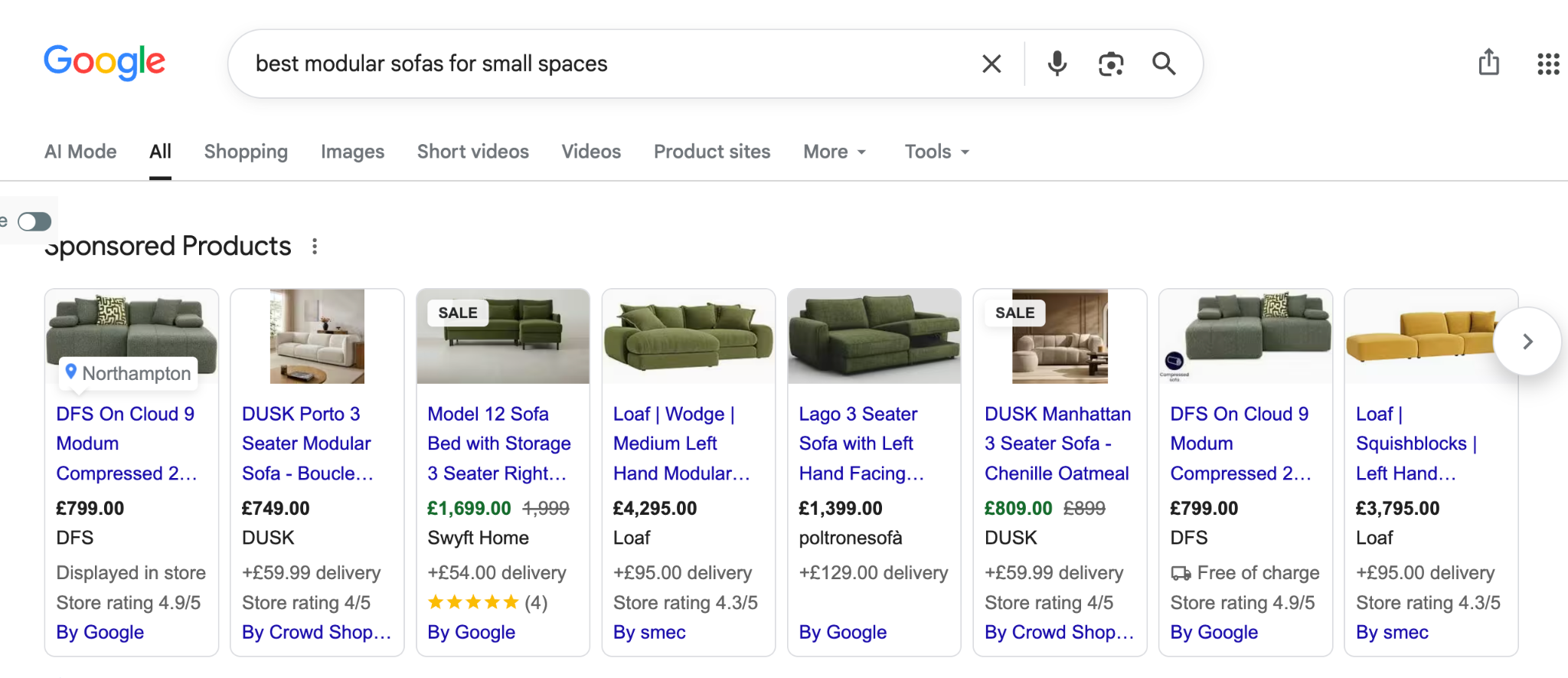
Seasonal demand spikes create pockets of high-intent customers who are ready to buy. Paid search and Shopping campaigns should scale up around each seasonal moment to capture that intent before your competitors do, rather than running flat, always-on budgets.
Email & SMS
Owned channels become disproportionately valuable during Black Friday and the holiday run-up, when inboxes are crowded and paid costs spike. Segmented, well-timed email and SMS reach existing buyers directly, without competing in an increasingly expensive auction.
Social Commerce
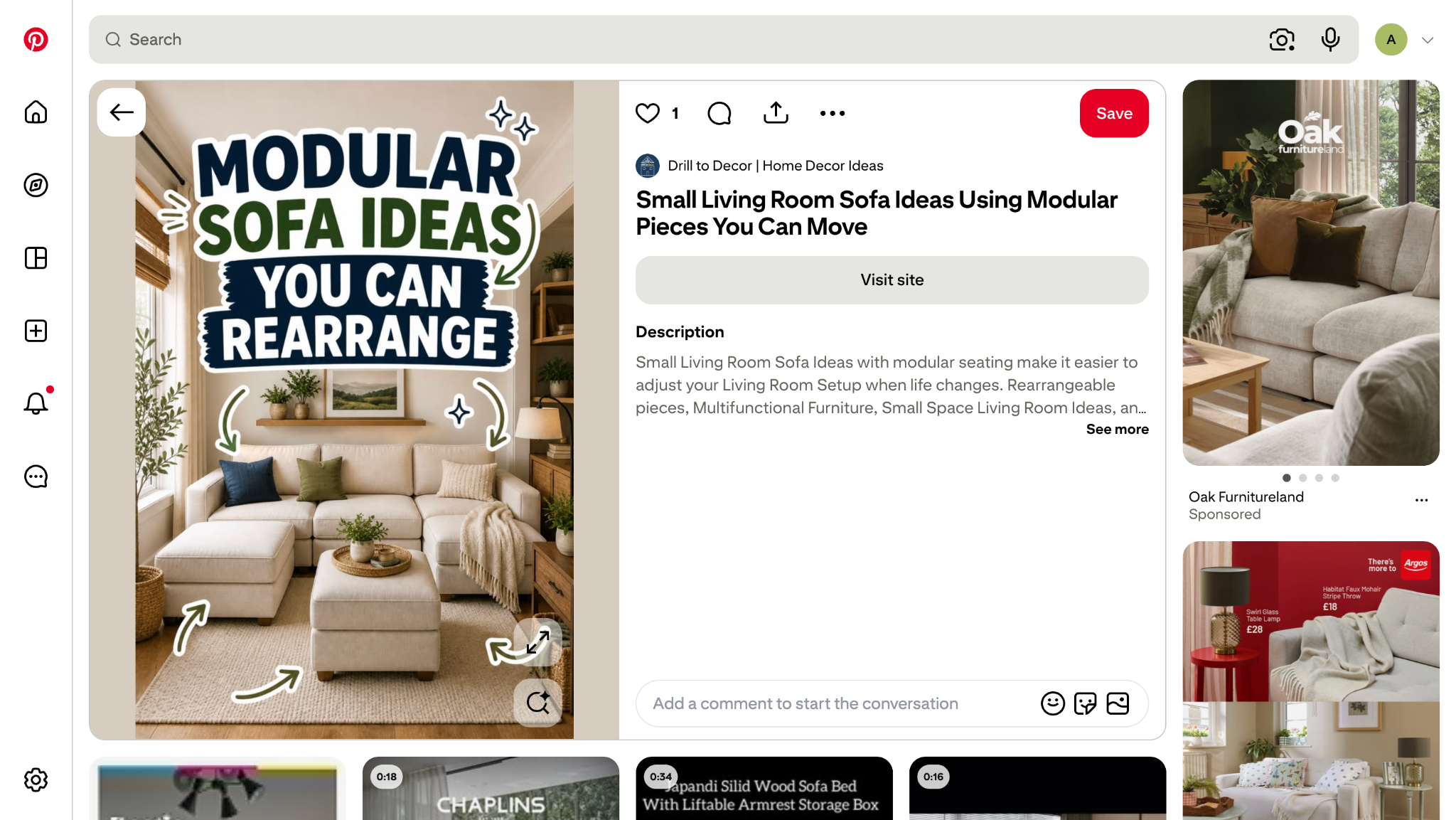
This channel should be a key component of any furniture marketing plan. Instagram, TikTok, and Pinterest are where many furniture buying journeys begin, driven by visual discovery and room inspiration rather than direct search. Brands that want a clearer understanding of what works across these platforms can explore the best digital marketing ideas for furniture stores to identify effective, channel-specific strategies that increase engagement and sales.
Retail Media & Remarketing
Furniture is a highly considered purchase, and shoppers compare products across multiple sessions and platforms before purchasing. Retail media replacements and remarketing keep a brand visible throughout that extended journey. Consumers increasingly research across multiple digital touchpoints, which is exactly why integrated search, social, and remarketing strategies matter more in your H2 marketing plan than at any other point in the sales year.
Consumer Trends Shaping Furniture Marketing in H2 2026
Growing Demand for Custom & Made-to-Order Furniture
Shoppers increasingly want furniture pieces that fit their exact space, fabric preference, and style, not whatever’s in stock. This clearly explains the impressive growth of custom home furniture marketing with a 2026-2033 CAGR of 14.3% across regions, types, and industries.
Many furniture brands start implementing furniture product configurators to let customers build and visualize their own piece before purchasing, which turns a static product page into an interactive one and reduces the buyer hesitation that comes with a big-ticket purchase. Especially during the time with peak seasonal traffic like H2, this approach helps save effort and mistakes from back-and-forth conversations between customers and sales teams.
Compared to 2D configuration, using 3D configuration for bespoke furniture offers a more comprehensive evaluation because users can preview the furniture pieces from all angles. This immersive experience is clearly a big advantage of utilizing 3D configuration software.
Modular Furniture for Flexible Living
Modular sofas and sectionals continue to grow because they adapt to different room sizes and layouts—a meaningful advantage for shoppers furnishing smaller or multi-use spaces. For example, using 3D sofa configurators to sell modular sofas gives shoppers a considerable method to see exactly how a configuration will look and fit before ordering, which matters even more during high-volume seasonal windows when returns are costly.
Book a demo today to clarify how 3D configurators transform sales for modular furnitures!
Personalisation
Buyers now expect tailored recommendations, personalized offers, and curated collections rather than generic storefronts. Personalized experiences drive modern eCommerce performance broadly, and furniture is no exception, as recommendations based on room type, style history, or past browsing convert better than one-size-fits-all merchandising.
Inspiration-led shopping
Furniture buyers spend longer researching than most categories, digging into room inspiration, styling ideas, mood boards, and creator content before ever adding to cart. Content that supports this browsing phase can help capture shoppers earlier in the journey.
Omnichannel purchasing
Customers move between Google, social media, marketplaces, and physical stores before making an order. A marketing plan for furniture business growth has to account for this fragmented path, ensuring messaging, pricing, and availability stay consistent everywhere.
Purchase confidence
Because furniture purchases involve higher costs and longer decision-making, building buyer confidence is essential. Authentic customer reviews, user-generated content, product visualization tools, and clear, comprehensive product details help reduce uncertainty. During high-traffic seasonal campaigns, these trust-building elements can make the difference between customers who continue browsing and those who already finish their purchase.
AI-assisted shopping
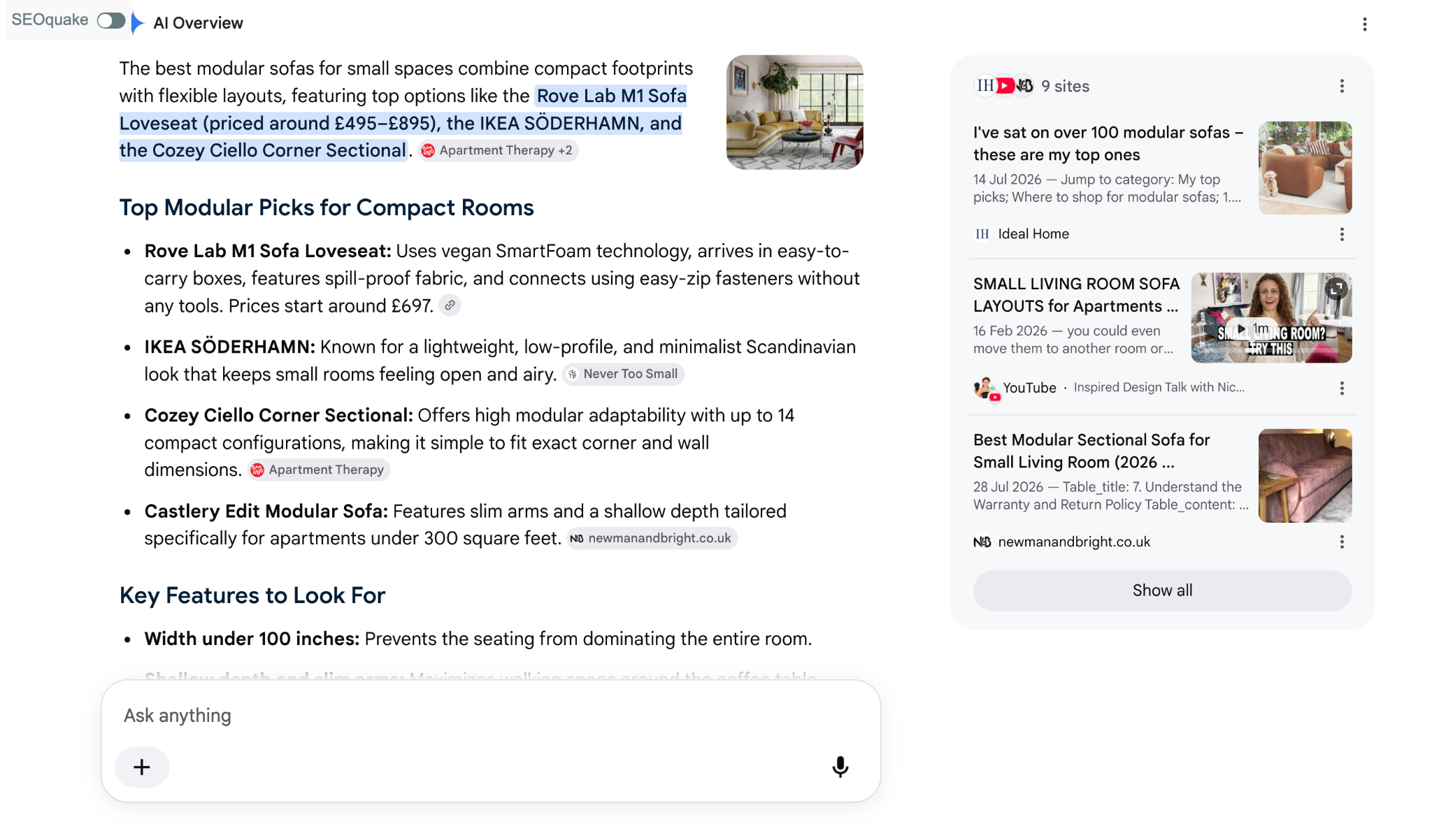
More shoppers now use AI-powered search tools and shopping assistants to research products, compare options, and narrow their choices. To stay visible, furniture brands need to provide accurate, well-structured product information, rich images, and detailed descriptions that AI platforms can easily understand and surface during the research phase.
Conclusion
A successful marketing plan for furniture business during H2 isn't about running more campaigns; it's about focusing investment on the seasonal moments, customer experiences, and channels that actually move furniture. Brands that build their mid-year marketing planning around evolving consumer behavior, omnichannel shopping, and the real shape of holiday demand will be far better positioned to make the most of H2's revenue potential.
Table of Content
-3.avif)
Streamline your process today!


