


Selling furniture online isn’t the same as selling consumer products. Customers need to feel confident before committing to large purchases, such as sofas, beds, and storage solutions. Without strong visuals and seamless shopping experiences, even well-designed furniture Shopify stores can struggle to convert visitors. That’s also why we came up with this article.
In the following sections, we will explore highlights of furniture eCommerce this year and practical tips from the best furniture Shopify stores to optimize your own store effectively.
Right now, let’s get into it!
The Market of Furniture eCommerce in 2026
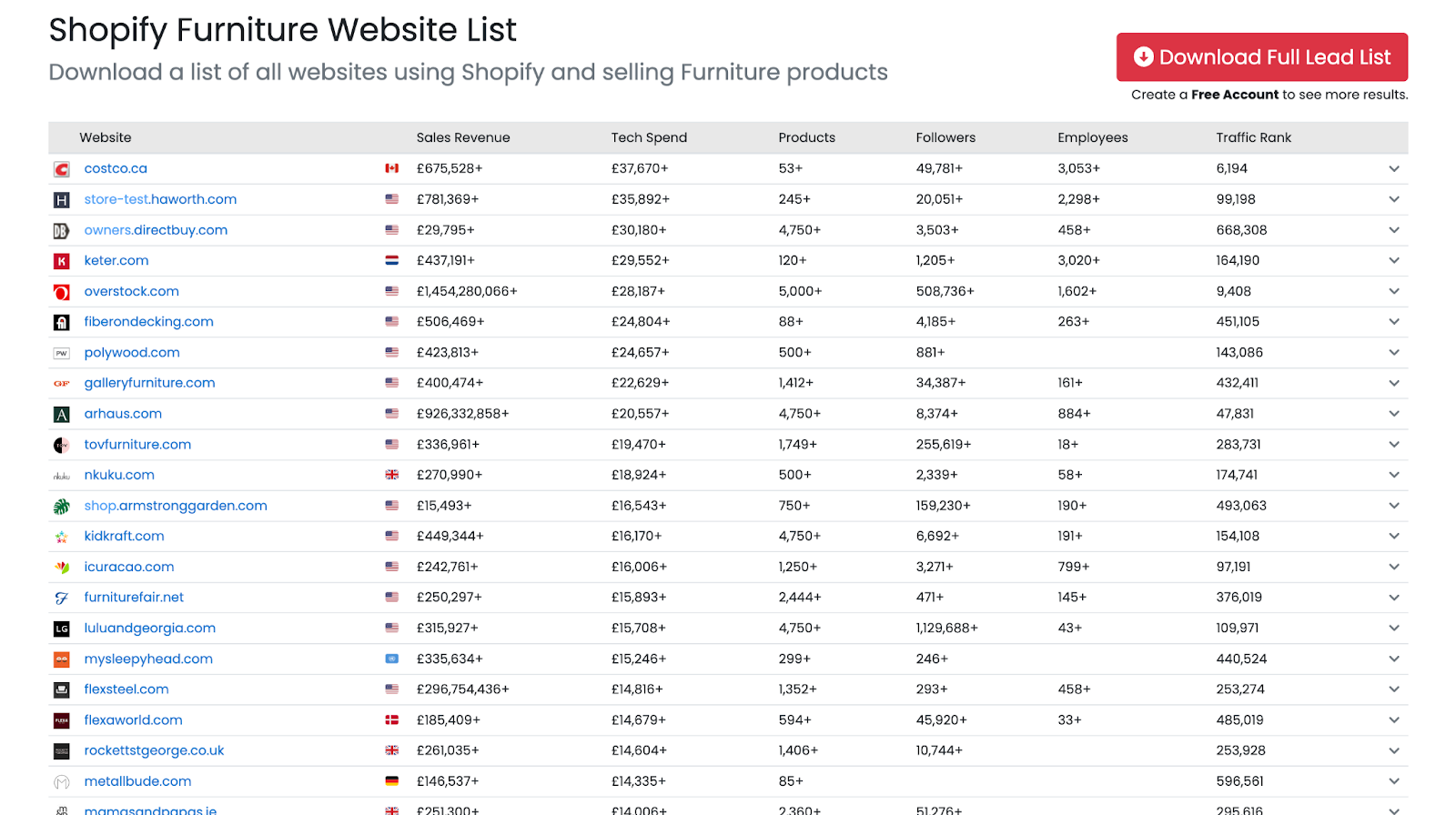
The e-commerce furniture market is expected to grow strongly, from $36.99 billion in 2025 to $39.75 billion in 2026. It is driven by demands for online shopping, smartphone penetration, increased investment in online experience technologies, and a preference for bespoke furniture. There are currently 24,000+ active furniture Shopify stores. Specifically, sofas, chairs, dining chairs/tables, and mirrors are the top furniture pieces sold on both Shopify and Shopify Plus.
Considering furniture eCommerce trends is also essential to lead this competitive market. Adopting augmented reality (AR) solutions for retail is on the rise, enabling the ability for customers to visualize how a sofa or chair will look in their homes and make more informed decisions. An increased interest in sustainability requires furniture businesses to tailor their products and activities and to use relevant terms on their Shopify stores to improve visibility.
5 Optimization Tips from the Best Furniture Shopify Stores
#1. Enable high-quality product presentation
78% of shoppers admit that product images and descriptions are critical for making online purchases. That’s why low-quality visuals can lead to higher cart abandonment and returns.
To improve product presentation on your furniture Shopify store, let’s take a look at the tips:
- Diversify your visual assets
You can combine studio photos, lifestyle images, close-up shots, and room settings to help customers clarify how the furniture fits into their homes. Including videos or short product demonstrations can make your store more engaging and informative for potential shoppers.
- Zoom in on the details
Furniture shoppers are more likely to pay close attention to every detail because they need to pay a lot to own. High-resolution images with zoom functionality allow visitors to discover designs more accurately, further building trust, reducing uncertainty, and transforming sales.
- Keep it real with visual UGC
60% of modern customers said that UGC is the most authentic form of content. Therefore, adding it to your product presentation is essential. You can try to encourage buyers to share photos or videos of your furniture in their homes and feature these visuals on product pages. In other words, real-life visuals are also social proof that strengthens your store's credibility.
- Utilize AR and 3D visualization tools
Instead of relying solely on static photos, many furniture stores are adopting 3D visualization software to help shoppers explore products from all angles. Additionally, with augmented reality for furniture, customers can place their selected items directly in their living space to visualize how the product fits within their room layout and make better purchase decisions.
#2. Aid personalization experiences with configurators
“71 percent of consumers expected companies to deliver personalized interactions, and 76 percent got frustrated when it didn’t happen” - McKinsey & Company.
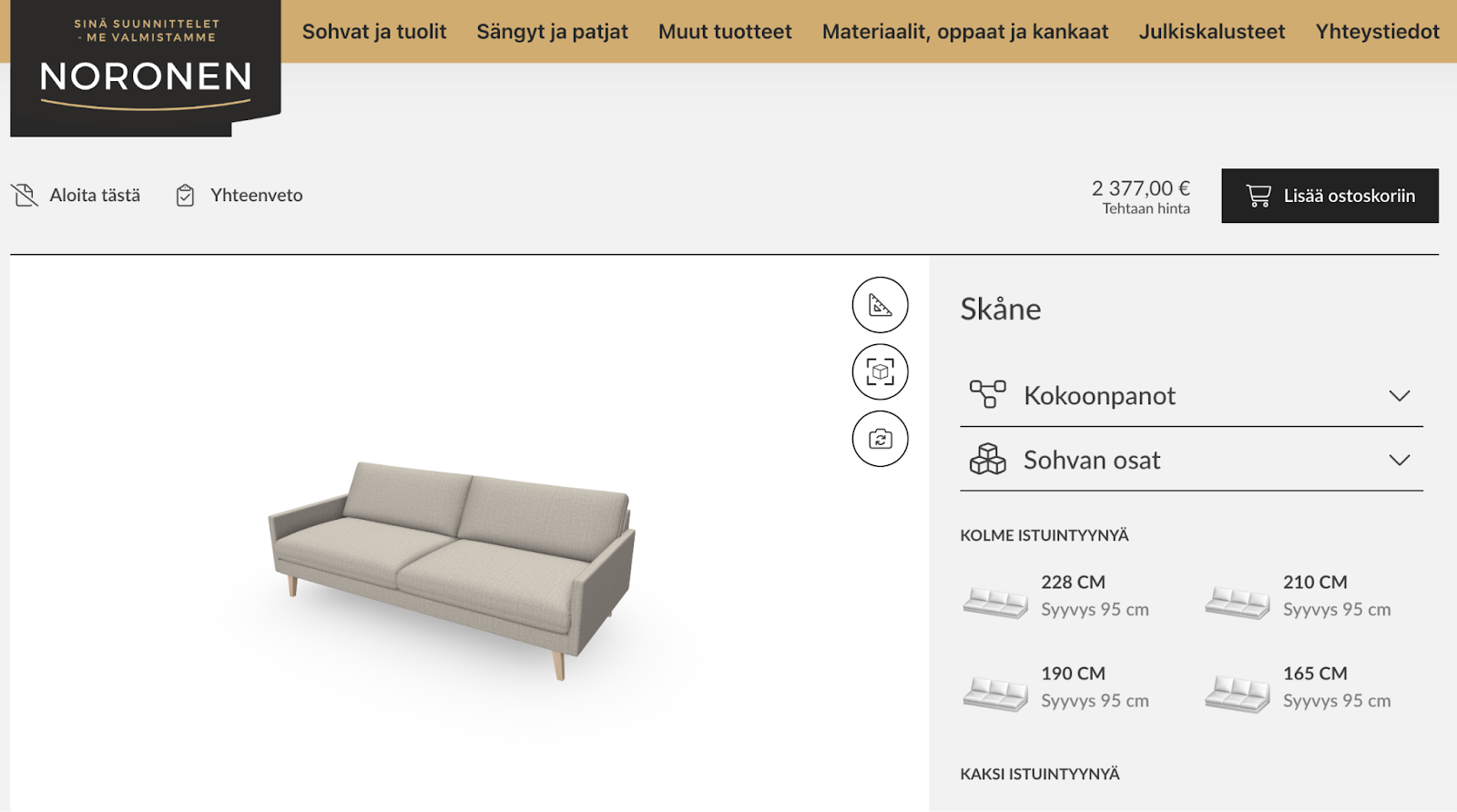
Modern buyers expect products tailored to their interests, and furniture is not an exception. If you can meet this demand, you can effectively engage customers and boost conversions for your furniture Shopify store. Offering custom options, such as choosing materials, colors, sizes, or adding modules and add-ons, makes the shopping experience more interactive.
That is when furniture brands need to integrate Shopify 3D configurators into their stores. This product configurator software allows users to configure furniture designs from scratch:
- Select colors, finishes, and materials
- Change dimensions and components
- Add modules, accessories, and add-ons
Also, 3D furniture configurators enable real-time 3D visualizations, so buyers can instantly preview their customized products without back-and-forth communication with sales teams. In other words, by simplifying lengthy sales processes for complex, high-modular products like furniture, product configurators are revolutionizing Shopify stores to drive higher sales.
#3. Offer dynamic pricing and payment flexibility
Furniture purchases often involve higher price points; thus, transparency is key to building customer trust. When buyers customize products, pricing should update instantly to reflect their choices. That’s why many bespoke furniture brands consider implementing Visual CPQ.
Visual Configure, Price, Quote (Visual CPQ) lets users configure furniture and get accurate prices and quotes simultaneously. This ensures pricing clarity throughout the purchasing process and reduces surprises at checkout, encouraging shoppers to make decisions faster.
Furthermore, when combined with diverse payment methods, such as installment plans, credit or debit cards, e-wallets, and buy now, pay later (BNPL) options, furniture businesses can make high-value purchases much more accessible and convenient for online shoppers.
#4. Focus on mobile-first furniture shopping journeys
Nearly 60% of online browsing time happens on mobile devices. Thus, mobile optimization is especially important to maximize sales results for your furniture Shopify store. However, many brands still struggle with slow loading times, cluttered layouts, and difficult navigation.
High-performing Shopify-powered website templates (e.g., Horizons) can dramatically boost mobile usability. Some are built specifically for furniture brands, offering grid layouts, lifestyle visuals, and immersive browsing experiences. You should also use visual website optimizers for Shopify—they let you A/B test layouts and elements to refine your design.
Don’t forget to organize items into categories, display sticky navigation menus, search bars, and filter options, compress images, minimize unnecessary scripts, and enable lazy loading.
#5. Promote product bundling smartly
Product bundling is an effective tactic in Shopify website optimization, especially for brands aiming to increase average order value (AOV). Instead of selling items individually, offer curated sets such as sofa-and-coffee-table bundles or complete bedroom packages. This simplifies purchasing decisions while encouraging customers to buy complementary items.
High-Converting Shopify Furniture Store Examples To Inspire
#1. Boll & Branch
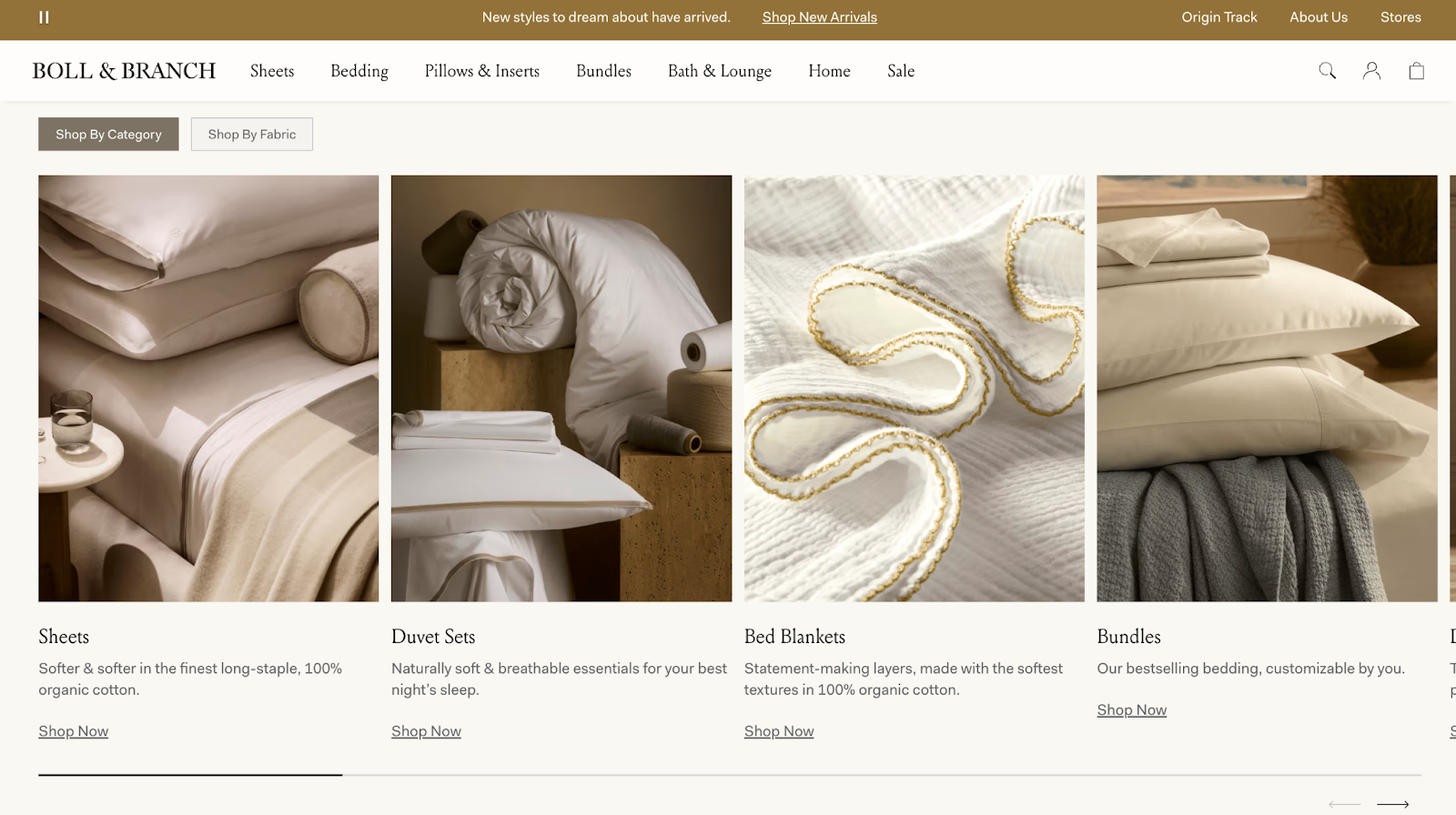
This ethical furniture brand excels with storytelling and sustainability to attract customers. Detailed lifestyle photography, close-up fabric swatches, and transparent sourcing effectively build customer trust. Their clean, minimal Shopify design emphasizes quality over quantity, proving that high-end presentation drives loyalty in furniture Shopify stores.
#2. New Works
New Works, the Copenhagen design house, transformed its configurable shelving system with a VividWorks 3D configurator on Shopify. Previously, architects, designers, and clients spent 30 minutes manually sketching furniture designs, leading to errors and frustration.
Today, real-time 3D visualization and configuration, AR room placement, Visual CPQ, and automatic BOM generation cut design time to just 5 minutes. Clients now experiment freely with different modules, materials, and dimensions while seeing accurate pricing and fit. That’s why New Works successfully reduced manual work by 80% and closed more orders.
This Shopify furniture store example clearly shows how configurators eliminate visual barriers and skyrocket customer satisfaction for complex, customizable furniture categories.
#3. Jungalow
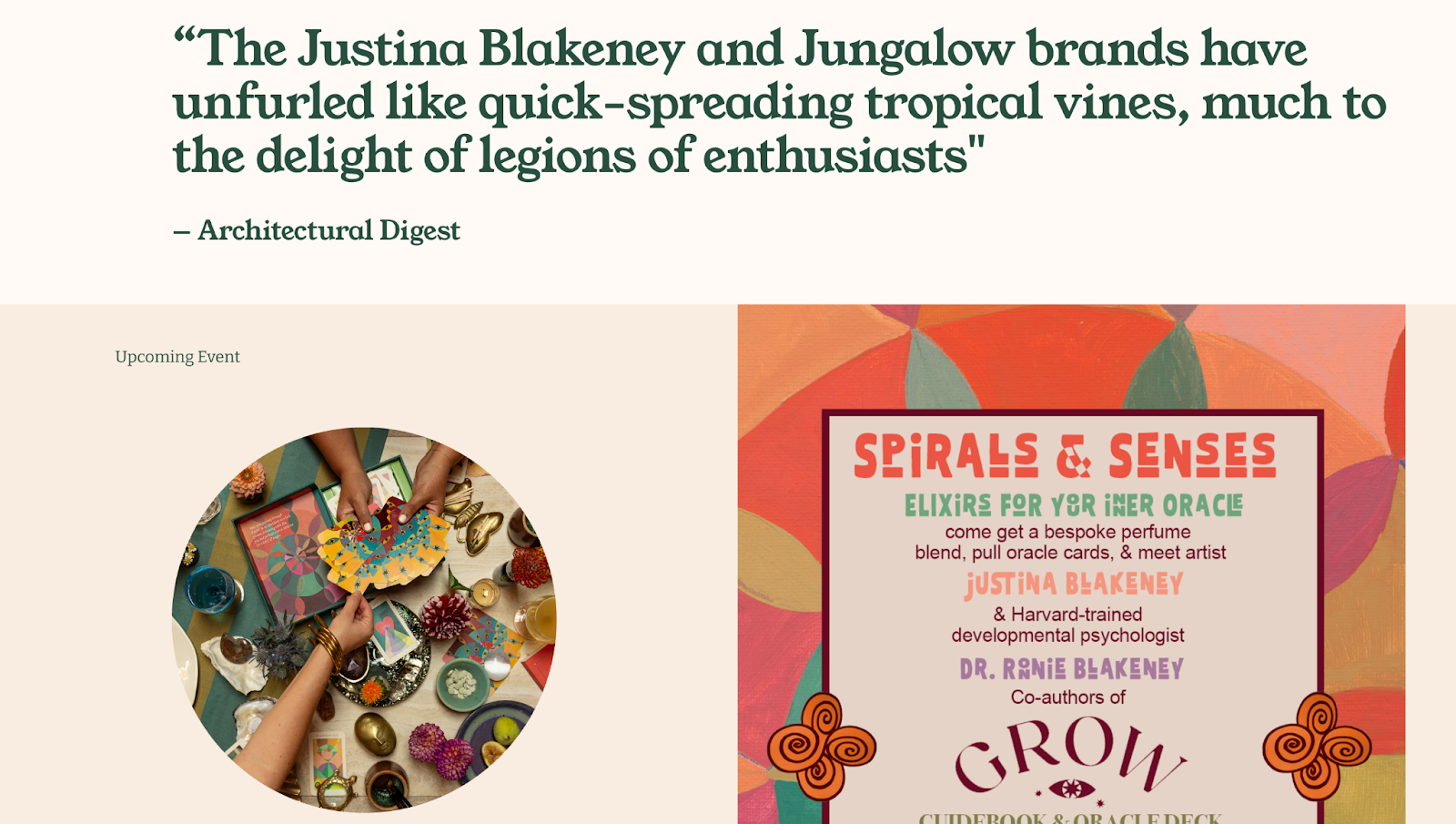
Jungalow blends bohemian style with community. Their Shopify website uses rich UGC through the JungaLoco rewards program, where customers easily share photos for points and social proof. Additionally, vibrant visuals, intuitive filters, and curated bundles have created inspiring, shoppable journeys that drive 60% of total revenue through online sales.
Book a demo to further clarify how 3D technologies can help boost qualified furniture leads.
Table of Content
-3.avif)
Streamline your process today!


