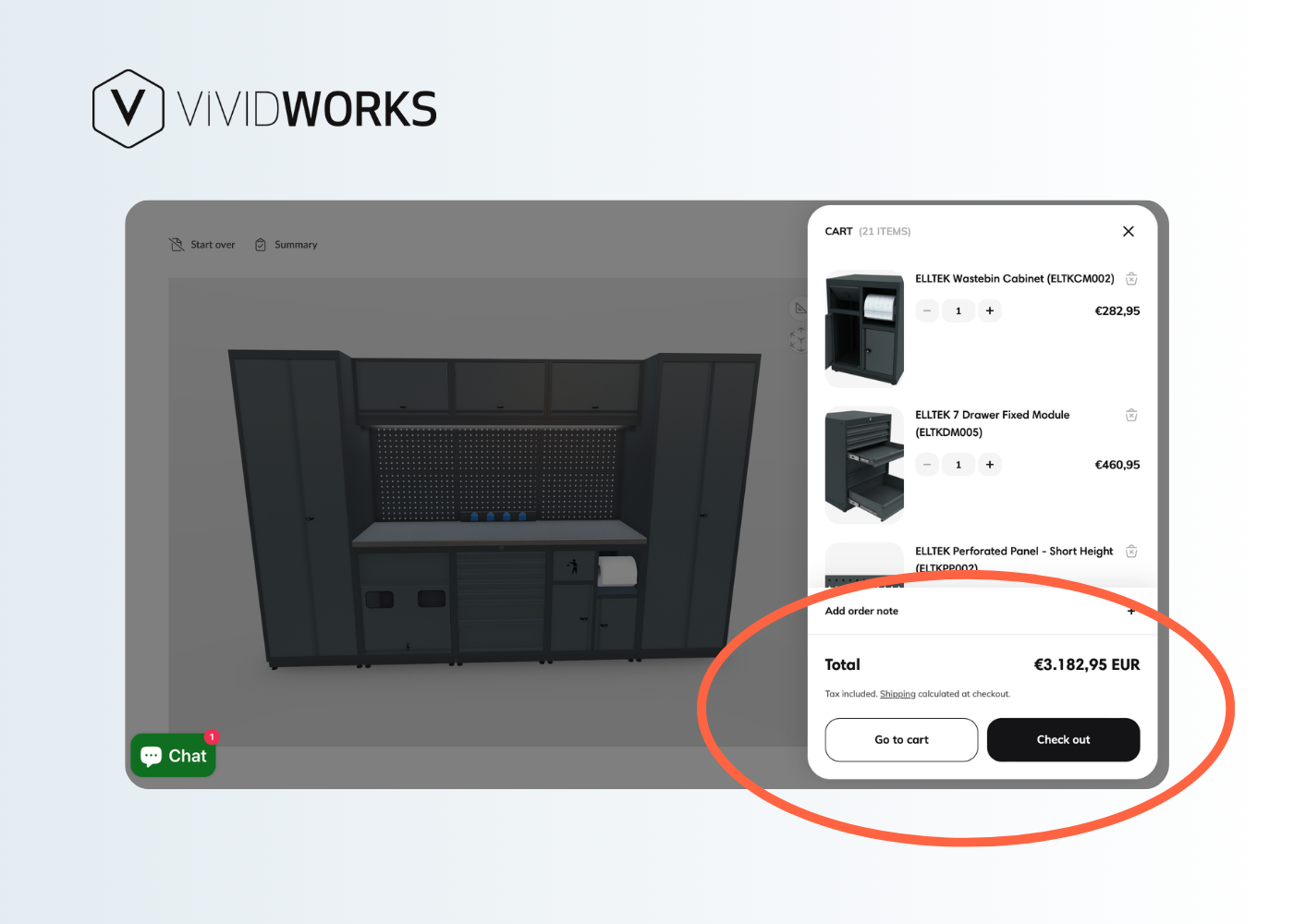
In fact, B2B furniture sales that require much more investment are no longer driven solely by trade events, brick-and-mortar stores, 2D images, or direct consultations with sales teams. Instead, they increasingly rely on digital tools, data-driven pricing, and seamless journeys.
This guide will explore how furniture companies have B2B sales enablement with detailed steps, the outlook for the furniture market, and practical strategies from leading players.
Right now, keep scrolling to discover more!
What B2B Furniture Sales Mean Today
The landscape for furniture B2B has evolved significantly, often operating through 3 models:
1. B2B furniture wholesale
This model involves manufacturers selling furniture to dealers, distributors, architects, or retailers. It has dominated most niches, including office furniture, hospitality furniture, and modular systems. Key characteristics to transform wholesaling B2B furniture sales, such as:
- Negotiated pricing agreements
- Dealer and distributor programs
- Contract-based relationships
- Bulk purchasing and customized configurations
2. B2B furniture marketplace
Digital marketplaces (e.g., Alibaba, Wayfair, Pepagora, Tribesigns B2B) are becoming an increasingly important channel for B2B furniture ecommerce. Platforms aggregate multiple brands and suppliers, making it easy for buyers to compare products and pricing effectively.
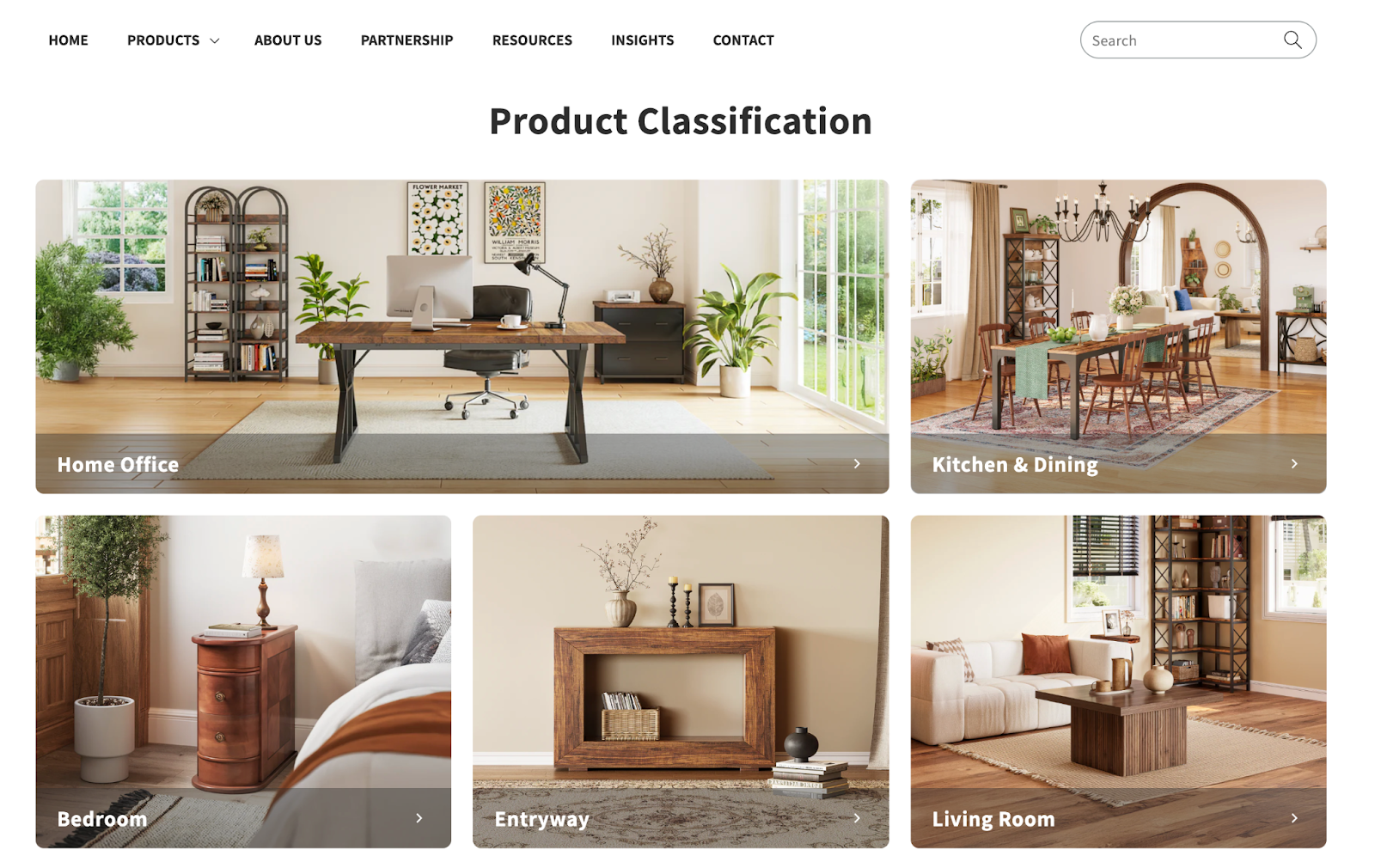
While these platforms offer instant access to a large customer base and lower marketing costs, sellers must follow strict rules and may have less control over branding and pricing. Therefore, depending on your goals, transform your B2B sales cycle with the right approach.
3. Hybrid B2B + DTC
Some modern brands operate hybrid models that combine B2B and direct-to-consumer (DTC) sales. Instead of managing separate product systems, these companies maintain a single unified catalog while delivering different buying experiences based on customer type.
Here is what you need to know when starting the hybrid model for your furniture business:
- Single product catalog used across all channels
- Different pricing structures for B2B accounts versus retail customers
- Role-based permissions for dealers, distributors, and end customers
- Separate purchasing workflows tailored to business buyers or individual consumers
The B2B Furniture Market Size in 2026
B2B furniture sales are growing and evolving quickly, driven by the broader B2B landscape, digital transformation, eCommerce, and the emerging popularity of hybrid retail experiences. Notably, from early 2019, B2B sales accounted for up to 30% of the furniture industry sales.
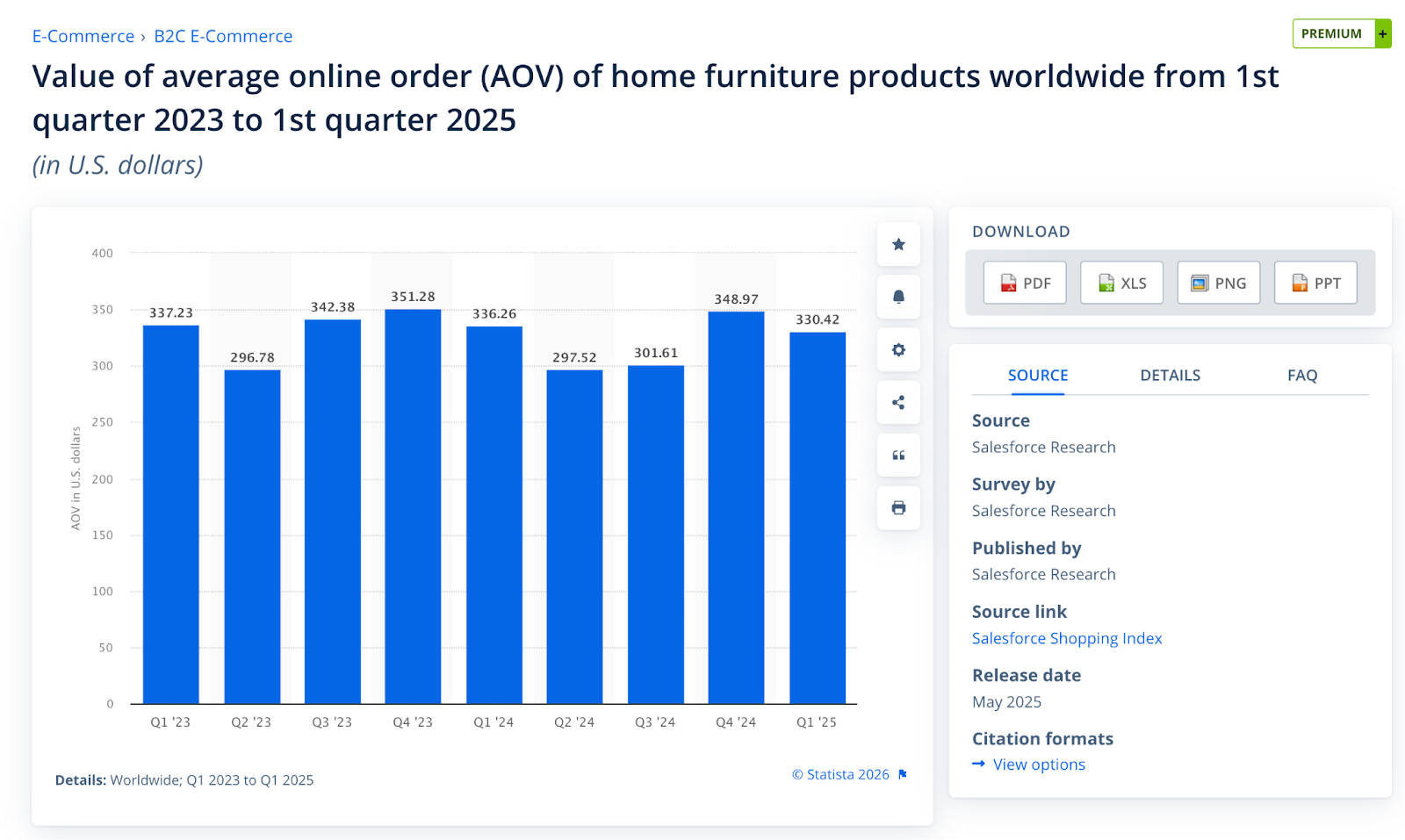
The furniture retail market was forecasted to grow from $738 billion in 2023 to $922 billion by 2028. The average online order value for home furniture products reached $330.42 in the first quarter of 2025, indicating increased customer confidence in placing large online orders.
Another striking point is that the majority of online furniture purchases are made by Gen Z and millennials, and they no longer follow a single path. According to Shopify (2026), while 50% begin their search online by visiting a physical store, 33% look in person to order online.
B2B Sales Challenges for online and offline sales
Dealing with problems when controlling B2B furniture sales is non-negotiable. Brands often operate with complex catalogs, multiple pricing tiers, and long decision-making cycles. Apparently, this can slow down the entire sales process and increase bounce rates.
Many companies still rely on disconnected systems for inventory, pricing, and order management. This lack of integration with their eCommerce websites makes it harder to maintain accurate information and creates friction throughout the furniture sales process.
One common challenge is product complexity. Custom-made furniture typically comes with numerous variations in materials, finishes, and configurations. Without the right tools, sales teams struggle to present options clearly and generate accurate quotes to persuade buyers.
Another challenge for businesses selling bespoke furniture designs is the back-and-forth communication between sales teams, designers, engineers, and customers. This extended process can delay decision-making and lead to errors in product specs and manufacturing.
5 Steps to Transform B2B Furniture Sales Successfully
Step 1: Choose the Right B2B Furniture Sales Model
Clarifying one of the three 3 furniture B2B models is critical to move on to the next steps. Each structure affects pricing strategies, partner relationships, and digital infrastructure.
For example, a furniture company focused on dealer networks may prioritize partner portals and negotiated pricing structures. Meanwhile, businesses targeting architects and designers often need advanced visualization and configuration tools, as well as project-based quoting.
Step 2: Build a B2B-Ready Furniture Catalog and Pricing Structure
A strong product catalog is the foundation of efficient B2B operations. Unlike simple retail listings, B2B catalogs must provide detailed product data to support purchasing decisions. There are important elements that every furniture business needs to consider, including:
- Technical specifications and dimensions
- Materials, finishes, and configuration options
- Assembly instructions and documentation
- Clear availability and lead-time information
Pricing is equally critical. Many manufacturers struggle with how to price furniture effectively for different buyer groups. Wholesale buyers, distributors, project-based customers, and end customers for the hybrid model require diversified pricing tiers and discount structures.
Step 3: Enable Furniture Sales Teams and Partners to Sell Better
Strong B2B sales enablement empowers salespeople, dealers, and partner teams with the resources they need to sell efficiently. Furniture often involves multiple configurations and specifications, so sales teams need tools that help them clearly communicate options. Many brands adopt sales collaboration tools to streamline collaboration and reduce manual tasks.

Step 4: Remove Friction from the B2B Buying and Ordering Process
Reducing complexity in the purchasing journey is essential for improving B2B furniture sales. Many brands still rely on manual processes, such as emails, spreadsheets, and lengthy approval cycles. These outdated workflows slow down transactions and frustrate buyers.
Modern B2B platforms help streamline ordering by offering self-service portals, real-time product configurators, and CPQ software. Customers can effortlessly explore product options, verify specifications and prices, and place orders without back-and-forth communication.
Step 5: Connect Systems to Scale B2B Furniture Sales Sustainably
Scaling B2B furniture sales requires more than boosting separate tools. Furniture businesses need to connect their core systems to ensure accurate data flow. Otherwise, when these platforms operate in isolation, errors, delays, and miscommunication become common.
- ERP systems
They control inventory levels, production capacity, lead times, and supply chain constraints. SAP, Microsoft Dynamics, and NetSuite are top ERP providers used by furniture businesses.
- CRM platforms
They can store customer accounts, track pricing agreements, and monitor sales pipelines. Solutions such as Salesforce, HubSpot, and Zoho CRM are all highly rated for helping your sales teams maintain strong relationships with distributors, partners, and project customers.
- eCommerce platforms
Platforms such as Shopify, BigCommerce, and Magento offer a broad range of pricing plans that help furniture brands launch and scale their online stores efficiently. They support essential B2B features: storefront designs, integration with third-party apps and tools, sales and marketing functions, scalability, customer-specific catalogs, and role-based permissions. With the right setup, companies can enable high-converting, engaging eCommerce stores.
- Visual CPQ & 3D configuration
To enhance customer experiences, many furniture brands choose Visual CPQ and 3D sales configurators so buyers can configure and visualize designs in 3D, and see prices instantly. These 3D visualization software are also built with rule-based configuration to ensure valid combinations, and furniture augmented reality to enable better evaluation in real spaces. Ultimately, B2B eCommerce with visuality is essential for complex products like furniture.
Leading Businesses Redefining B2B Furniture Sales
Case 1: Blå station - A flagship of Modular Sofas for Public Spaces
Based in Sweden, this company is renowned for offering a range of innovative and stylish public space sofas and seating solutions. Its website features a strong Minimalist style, a navigable layout, clear information, and high-quality visuals with 2D and 3D assets. This makes everything accessible to customers, persuading them to make decisions faster.
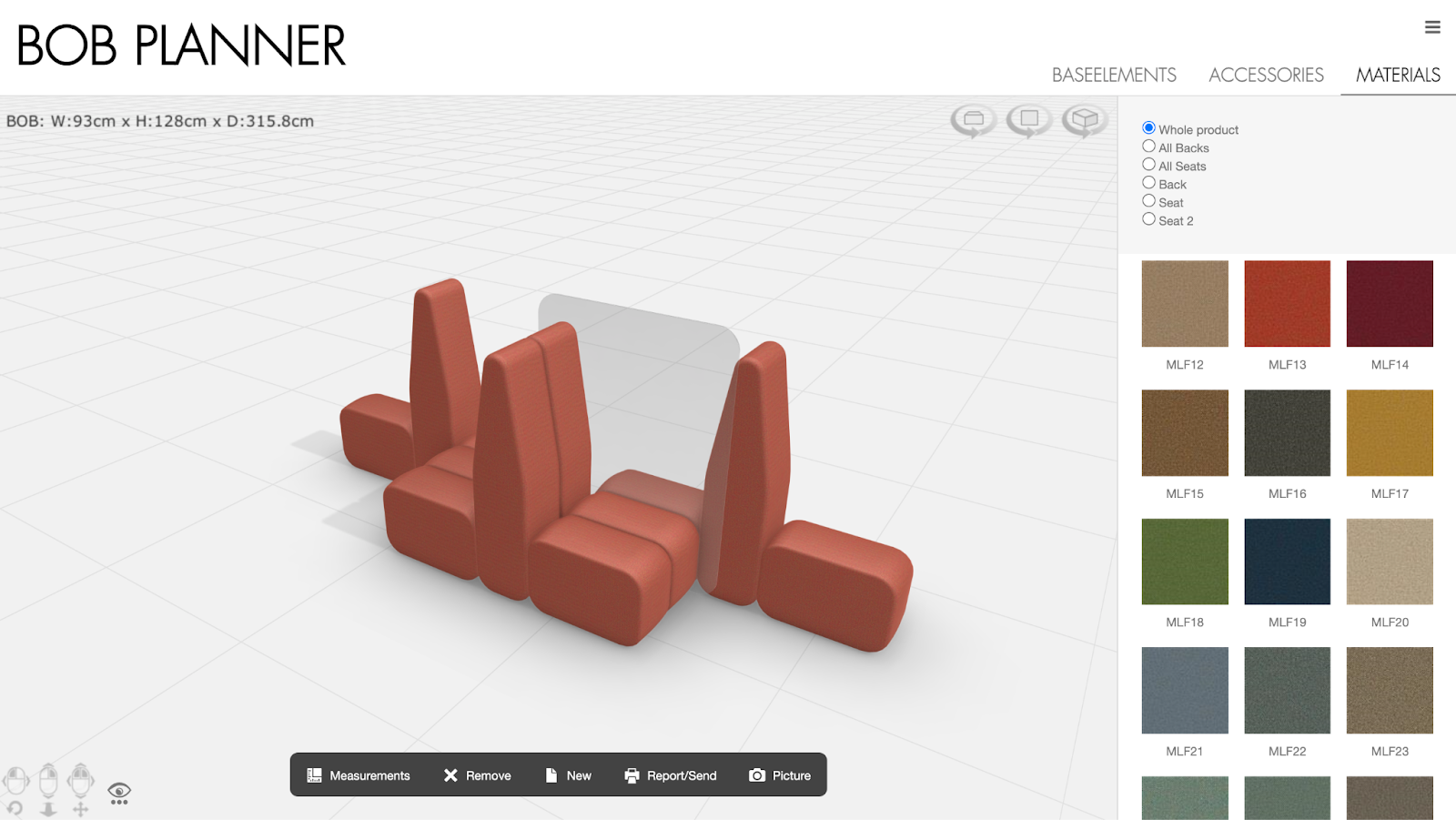
The brand enables a 3D furniture configurator on its store to design your own modular sofas. Customers can choose from 38 base elements, 7 material types, and 15+ accessories. Then, all selected options are displayed in 3D, making it easier to evaluate the final designs. Customers can also save the draft as a PDF or a link if they don’t want to finish the checkout. This flexibility is especially critical for high-value online orders, such as B2B furniture sales.
Case 2: BEDD - An Expert in Custom Garden Furniture
BEDD is a Norwegian brand that specializes in supplying planters and solutions for gardens, terraces, and other outdoor spaces. Aware of the growing demand for deeper customization, the role of 360 product views in boosting engagement, and the time-consuming, traditional process, the company decided to partner with VividWorks to lead 3D configuration and AR.
As a result, “we have increased our sales to the professional segment, like building developers, contractors, and interior architects” - Kristian Bye, CEO at BEDD. The conversion rate and AOV improved significantly from the early days, helping establish a strong competition edge.
Talk to us today to see how our professionals can help generate and publish robust 3D software to lead 3D eComemrce trends and improve your B2B furniture sales performance.
Table of Content
-3.avif)
Streamline your process today!