When you start your business, deals don’t always stall because customers lose interest; they stall because quotes take too long. Manual pricing, slow approval workflows, and disconnected systems create sales bottlenecks that quietly drain deal velocity and revenue.
Modern CPQ software and workflow automation change that. By automating the configure, price, quote process end-to-end, sales teams can eliminate rework, boost approvals, and shorten the sales cycle without adding headcount or complexity. Let’s clarify more below!
What Is CPQ Software?
CPQ stands for configure, price, quote. At its core, CPQ software is an online sales tool that helps configure products, apply accurate pricing rules, and automatically generate quotes. Currently, you can find 2 common types: 2D CPQ for basic display requirements and 3D CPQ with 3D visualization for more immersive experiences when exploring complex products.
The standard flow is often: a salesperson can walk a customer through product options in real time, with the system enforcing strict configuration rules in the background, applying the correct pricing and discounts instantly, and producing a detailed quote ready to send.
So, it’s time to know how modern CPQ software typically helps sales teams and operations:
- Configure products in real-time and prevent errors with guided selling logics
- Apply pricing rules for volume discounts, margin floors, and regional prices
- Ensure instant, accurate quote generation
- Eliminate manual data entry, further cutting costly revision cycles
- Improve consistency by following the same logic for every quote.
Best Practices for Maximizing CPQ Success
1. Have a comprehensive CPQ automation strategy
A lack of a clear strategy for using CPQ often leads teams to use the tool only partially: manually overriding rules, skipping approval workflows, or defaulting to spreadsheets. That’s why businesses need to treat sales process automation as a design challenge from day one.
First, let’s map out every step in the quote-to-close process, identifying which steps involve human judgment versus which are rule-based, then configuring the system accordingly.
Additionally, your approval workflows need to be designed with a strong focus on speed. Automated approval loops, where standard quotes are approved instantly, and only edge cases escalate to a manager (often found in B2B sales), dramatically cut the lag time that kills deal velocity. As a result, you can accelerate efficiency for sales pipeline management.
2. Empower customers' self-control
One of the highest-leverage shifts a brand can make is moving some of the configuration burden onto the customer. Customers can configure the design, explore product options, save real-time pricing, and generate draft quotes on their own. This helps brands reduce the sales team’s workflow while giving the customers the autonomy they increasingly expect.
In industries with complex, bespoke products like furniture, this is particularly powerful. They traditionally require extensive conversations for manual processing, but with automated CPQ, customers already have a quote in hand by the time they speak with sales. Therefore, sales productivity boosts thanks to less time gathering requirements and more time closing.
3. Integrate CPQ with your existing ecosystem
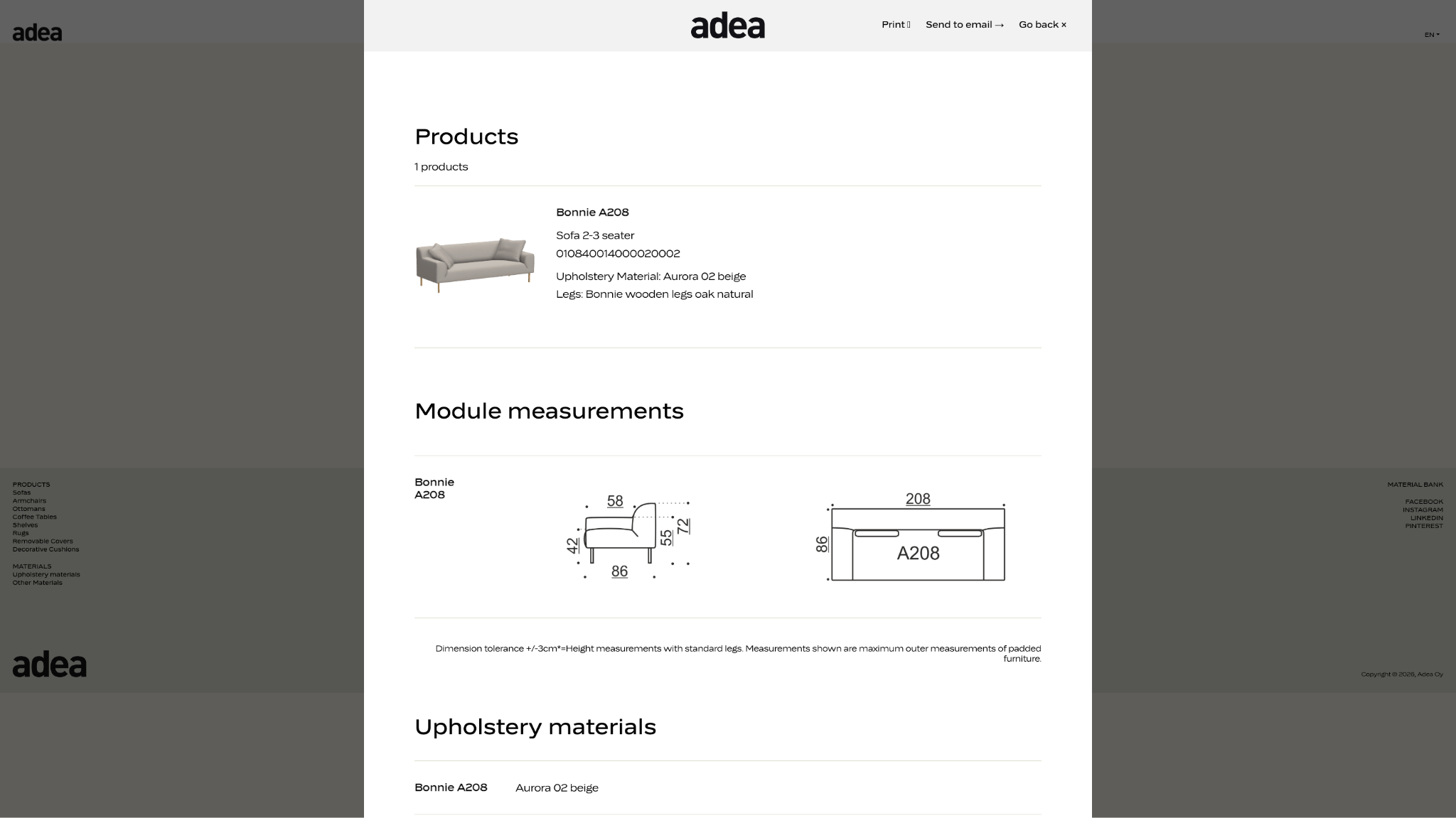
The real power of CPQ software lies in deep integration with CRMs, ERPs, and eCommerce platforms such as Shopify, Magento, and WooCommerce, ensuring that quote data, customer history, inventory levels, and order management stay in sync for a better workflow. That’s why brands can easily turn CPQ from a quoting tool into a revenue operation engine.
4. Automate visual generation directly from configuration
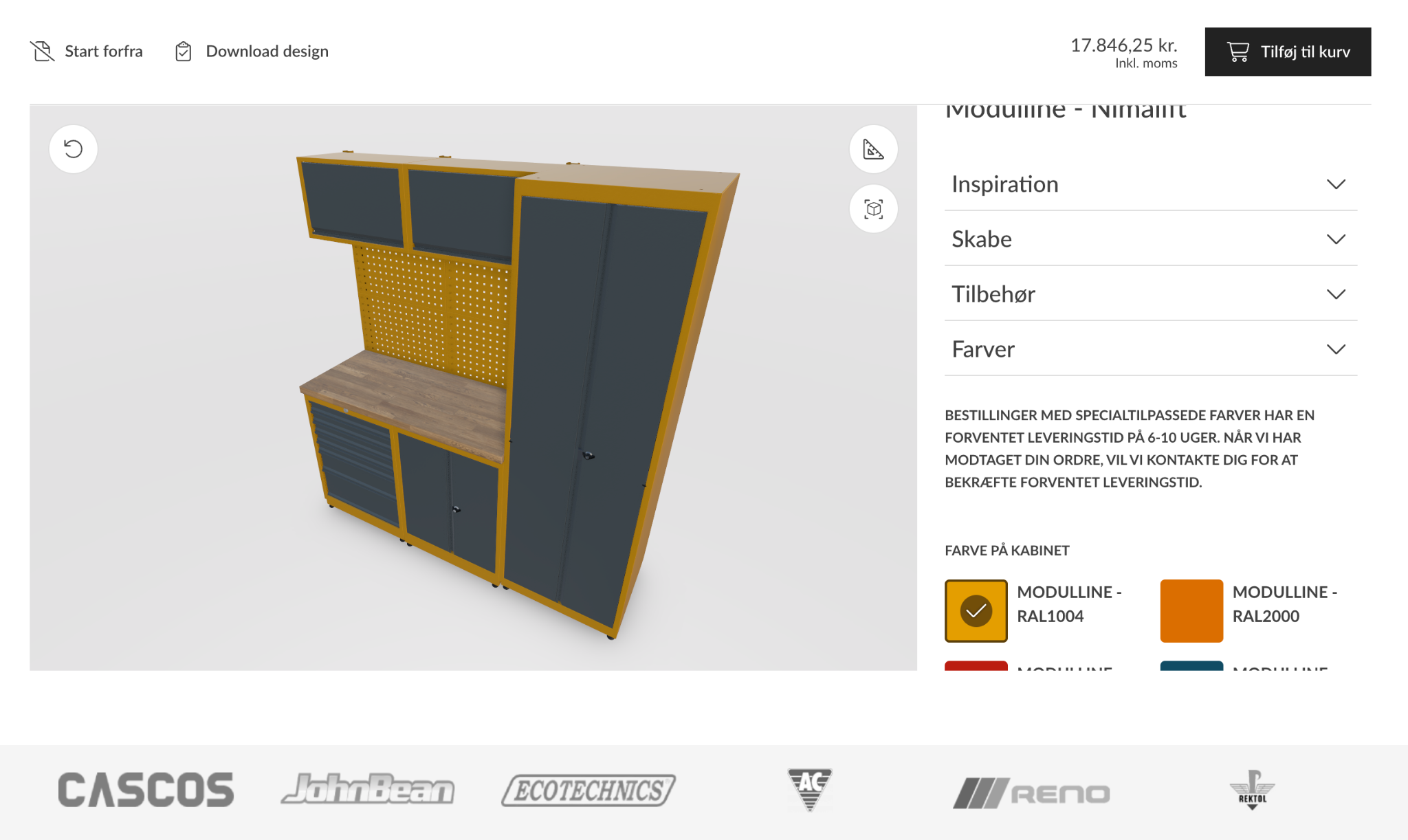
For industries where product visualizations are nearly central to the purchasing decision, connecting the configuration engine to immersive visual output is essential. When a client configures a product, a real-time visual should be displayed for each custom selection. From that, customers preview their own designs accurately, eliminating back-and-forth with design and engineering teams, reducing revision cycles, and increasing buyer confidence.
This is exactly a eCommerce 3D trend called Visual Configure, Price, Quote (Visual CPQ) that can do. You have real-time 3D configuration for accurate 3D visualizations, with instant pricing in the same workflow. From a business perspective, this automation can boost performance by streamlining sales processes, optimizing resources, and boosting identity.
A Quick Guide to Implementing CPQ Software
Successful CPQ software adoption to shorten the sales cycle is as much about process alignment as it is about the technology. Below is a streamlined implementation roadmap.
- Assess your current sales efficiency and process
First, you need to identify sales bottlenecks in configuration, pricing, and quote generation. Document the manual workflows and recurring errors that cost the most time. This indicates measurable goals (e.g., win rate) for accurately assessing the impact of implementation.
- Standardize product and pricing rules
CPQ is only as accurate as the rules built into it. Therefore, you need to organize your product catalog, establish configuration logic, and create pricing and discount rules. However, these setups are not easy for every business because of limited human resources.
That’s why it’s recommended to work with the best CPQ software for manufacturers or resellers, provided by leading services such as VividWorks, Oracle, SAP, DealHub, and more. They excel at pre-building configuration logics to help businesses minimize technical errors.
- Integrate CPQ with existing systems
As covered above, CRM, ERP, and eCommerce platform integration is non-negotiable for sustained sales efficiency and improved proposal automation. You should plan your data synchronization carefully: product names, SKUs, pricing codes, customer records, and more should each have a clear source of truth and be tracked consistently for the best results.
- Train sales teams and stakeholders
A common mistake is treating the sales team as the only end user, when in reality, finance, engineering, and operations teams all touch the quote-to-cash process. Thus, it’s better to build onboarding materials for each stakeholder group, clearly document the new process, and identify power users in each department who can support peers during the rollout.
- Monitor performance and optimize
Once your CPQ software is live, always track the metrics defined during the assessment phase. Quote turnaround time, error rates, and deal velocity are the clearest indicators of whether the system is delivering. Additionally, don’t forget to gather feedback from sales reps and customers, and refine configuration rules and approval workflows as you learn.
By following this guide, you can successfully shorten the sales cycle with automated CPQ. Also, depending on your specific goals, consider additional aspects to optimize efficiency.
Conclusion
Implementing proper CPQ software is one of the most effective ways to shorten sales cycles while improving accuracy and the customer experience. Thanks to dynamic product configuration, automated pricing, streamlined approvals, and even 3D visualizations, businesses can eliminate manual bottlenecks that slow down the online purchase process.
Book a demo with VividWorks today to see how Visual CPQ empowers your complex sales!
FAQs
- What is CPQ software?
CPQ software (Configure, Price, Quote) is a sales solution that automates product configuration, pricing calculations, discount rules, and quote generation. It helps create accurate quotes faster, reduces manual errors, and ensures compliance with price policies.
- How does CPQ shorten the sales cycle?
CPQ shortens the sales cycle by automating repetitive tasks such as product designs, pricing, approvals, and quote creation. This reduces delays, eliminates manual rework, and enables salespeople to deliver accurate quotes to customers in minutes rather than days.
- What is workflow automation in sales?
Workflow automation in sales uses predefined rules and digital processes to automate tasks such as approvals, notifications, data entry, and quote generation. It improves efficiency, reduces human error, and ensures deals move through the sales pipeline more quickly.
- Which industries benefit most from CPQ?
CPQ is especially valuable for industries that sell configurable or customized products, including manufacturing, furniture, automotive, industrial equipment, technology, telecommunications, and B2B services. This is because these businesses often manage complex pricing and options that benefit significantly from automation to minimize errors.
Table of Content
-3.avif)
Streamline your process today!