.png)

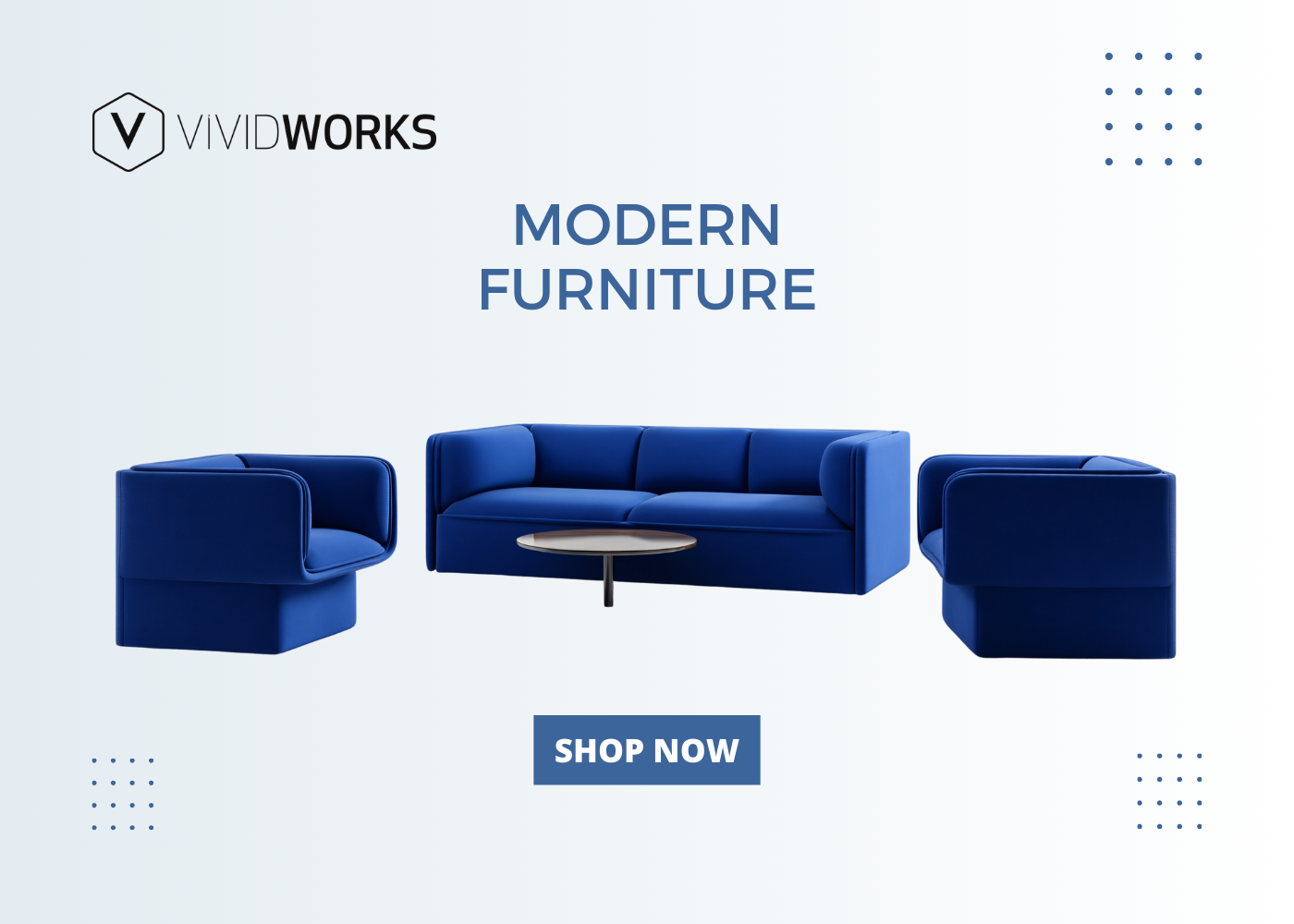
Furniture customers are more likely to purchase more than one thing for their environment. For example, a new sofa calls for a coffee table; a boardroom refit calls for matching storage. Learning how to upsell furniture and pair it with complementary pieces is one of the most effective ways to increase revenues without adding a single new lead to your sales funnel.
This guide explores proven cross-sell and upsell strategies for furniture retailers, shelving brands, and B2B manufacturers. You'll learn the differences between cross-sell vs upsell tactics, when to use each approach, and how a furniture product configurator can help create a better buying experience for sustainable growth. Now, keep scrolling to discover!
Cross-Sell vs Upsell: What's the Difference?
Upselling
When you want to upsell furniture, you aim to encourage a customer to choose a higher-value version of the piece they’re considering, such as better materials, more advanced finishes, or greater capacity. This works as the customer has already committed to the product; you’re simply raising the ceiling on what “good” looks like. Some examples like:
- Moving a shopper from a standard sofa to a premium leather model
- Upgrading a queen to a king
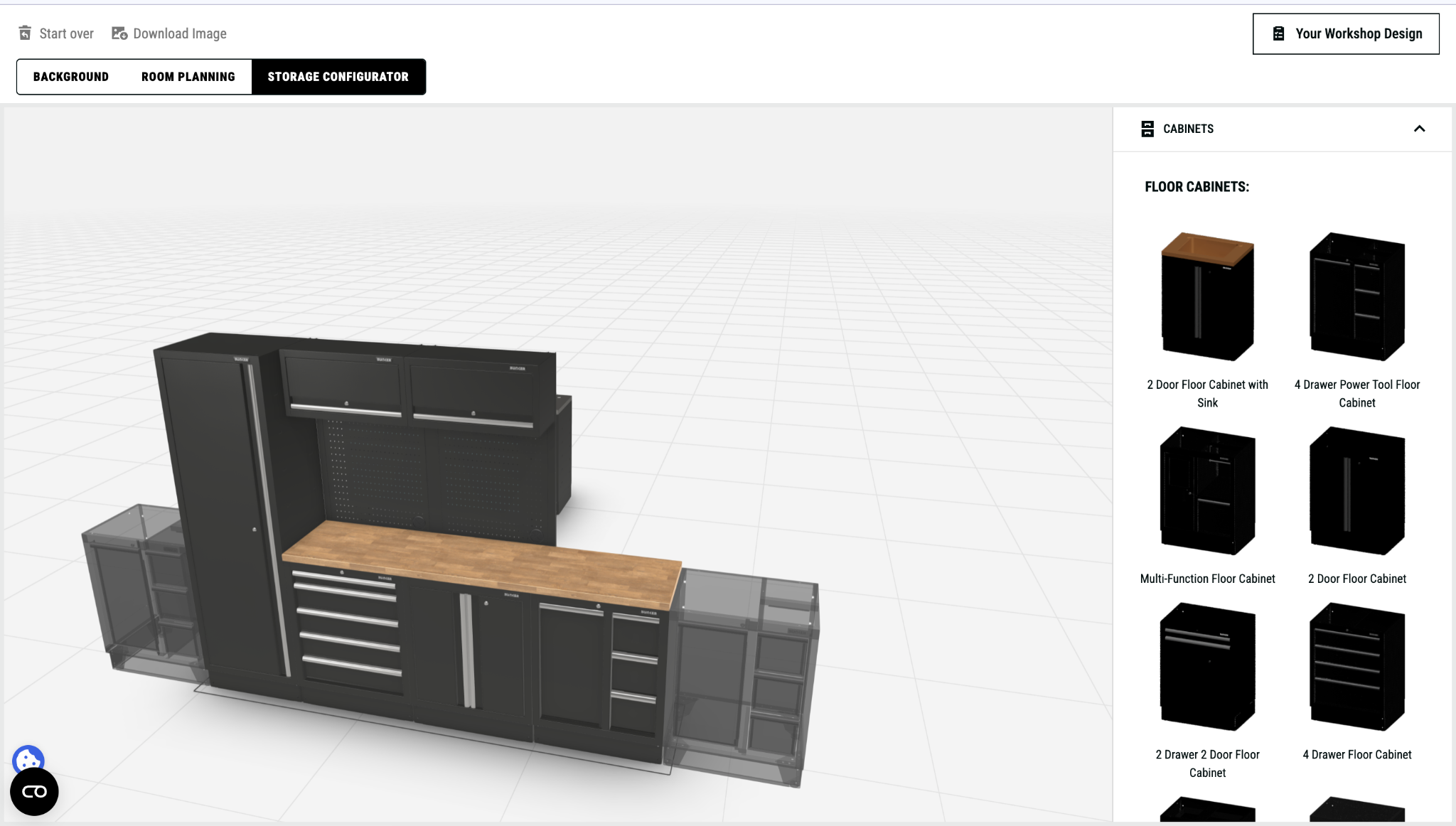
- Adding more cabinets or accessories for modular storages
- Swapping a basic fabric task chair for an ergonomic executive chair.
Cross Selling
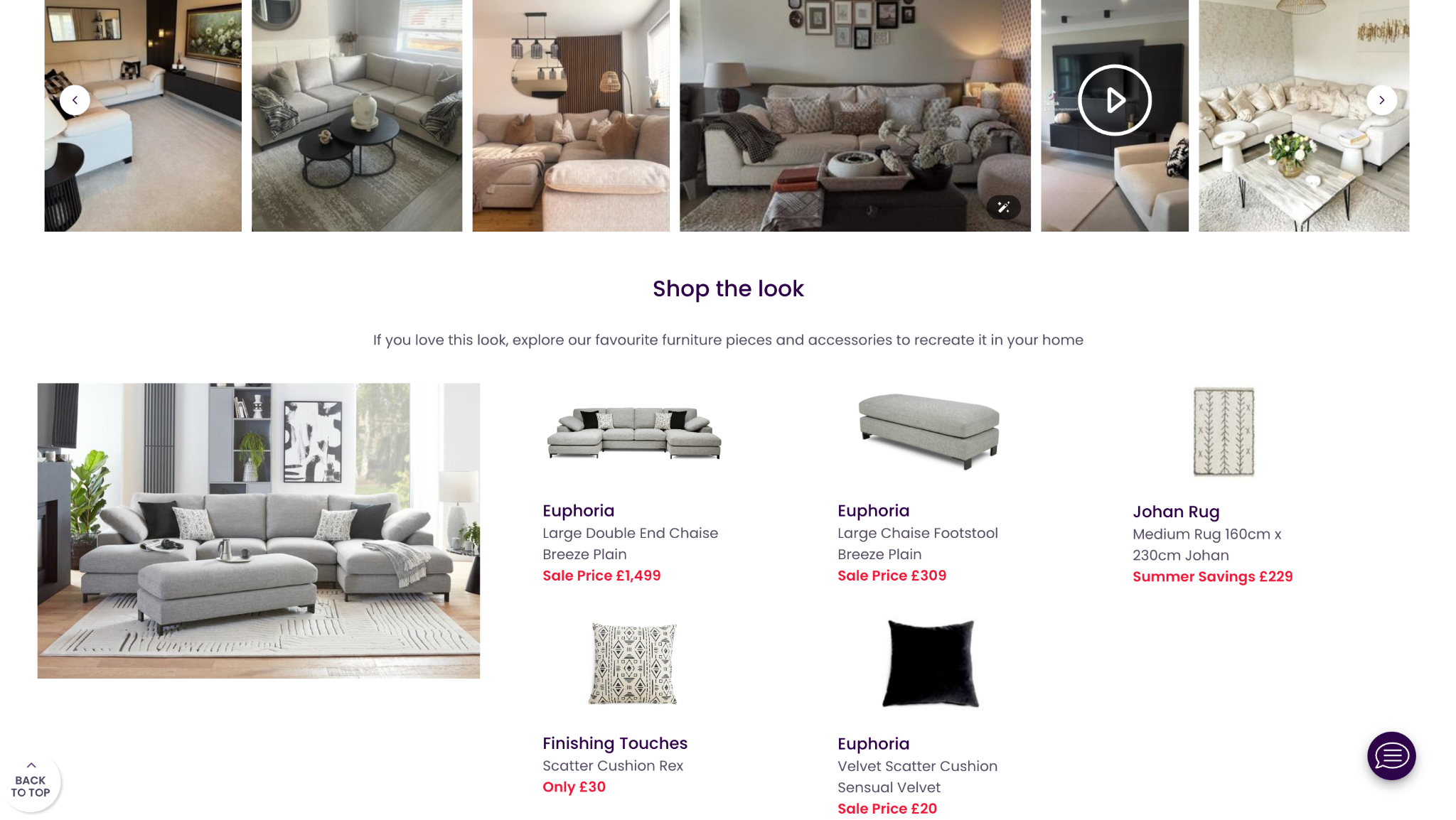
Cross-selling suggests complementary products that round out the original purchase rather than replace it. A cross-sell product recommendation works because it saves the shopper a second search: someone buying a sofa is a strong candidate for a coffee table, side tables, a rug, a floor lamp, or cushions. The main goal of this approach is relevance: the add-on should belong in the same room or workflow as the original piece, not just share a category page.
Why Upselling and Cross-Selling Work So Well in Furniture Retail
Long Buying Cycles Build Trust
Furniture shoppers rarely make impulse purchases. Instead, they often spend weeks or even months researching features, prices, and reviews before making a decision. By the time they're ready to buy, they already have more trust in your brand. This makes them willing to consider its premium version or complementary pieces that can enhance their purchase.
High Purchase Intent Drives Bigger Furniture Orders
Someone actively configuring a sectional or requesting a B2B quote has already cleared the biggest objection: whether to buy at all. That intent makes them receptive to a well-timed upgrade. Notably, 85% of businesses that focus on upselling are effective at helping customers clarify all the value they can get by paying for higher-priced items like furniture. On the other hand, “Cross-selling and category-penetration techniques increase sales by 20 percent and profits by 30 percent” — McKinsey, towards targeted online marketing programs.
Emotional Buying Decisions Favor Design Consistency
Furniture is both a functional investment and a reflection of personal or brand identity. This motivation makes premium materials, upgraded finishes, and coordinated accessories especially appealing. Rather than appearing as unnecessary extras, these recommendations can help achieve a more polished and cohesive final result, increasing customer satisfaction.
Best Upsell and Cross-Sell Strategies for Furniture Stores
It’s time to learn how to upsell and cross-sell furniture from successful furniture businesses. The following sections offer expert tips that are worth considering for the best results.
Upsell
1. Encourage size upgrades
Let’s make premium sizes feel like an easy decision by displaying the price difference directly on the product page. When customers can instantly compare options, such as upgrading from a standard sofa to a larger version for an additional $80, they're more likely to perceive the extra cost as worthwhile. Since they've already committed to a purchase, a relatively small increase might feel insignificant compared to the overall order value.
2. Offer customization options
One of the most effective ways to make your brand stand out and transform the sales process is to give customers the freedom to personalize their purchase. Implementing a furniture product configurator is an example. This allows shoppers to build and configure products on their own by selecting dimensions, fabrics, modules, layouts, colors, and more while seeing changes instantly through real-time 3D visualization for greater clarification.
Top-rated providers like VividWorks also support augmented reality for furniture, enabling customers to visualize pieces in their own homes. This interactive experience makes selling custom furniture online much easier and boosts ROI, as each customization can add value.
Copenhagen-based furniture brand New Works has successfully launched a VividWorks 3D configurator for its modular shelving system. Replacing its manual, back-and-forth Photoshop workflow with an interactive configuration software streamlined the sales process, and on the very first day, a client completed an $8,000 order directly via this tool.
3. Introduce premium protection & warranty
Extended warranties, fabric protection plans, professional assembly, and white-glove delivery are all natural upsell furniture opportunities because they reduce perceived risk instead of simply increasing the price. Positioned at checkout or during configuration, these value-added services can boost revenue while improving the overall customer experience.
Cross sell
1. Recommend products by rooms
In this cross-selling approach, we should group recommendations around how the space will actually be used. For example, a sofa customer sees coffee tables and rugs, a dining table buyer sees chairs and sideboards. Additionally, don’t forget to frame suggestions as "complete the room" rather than "you may also like" keeps them relevant and easy to act on.
2. Suggest low-priced add-ons
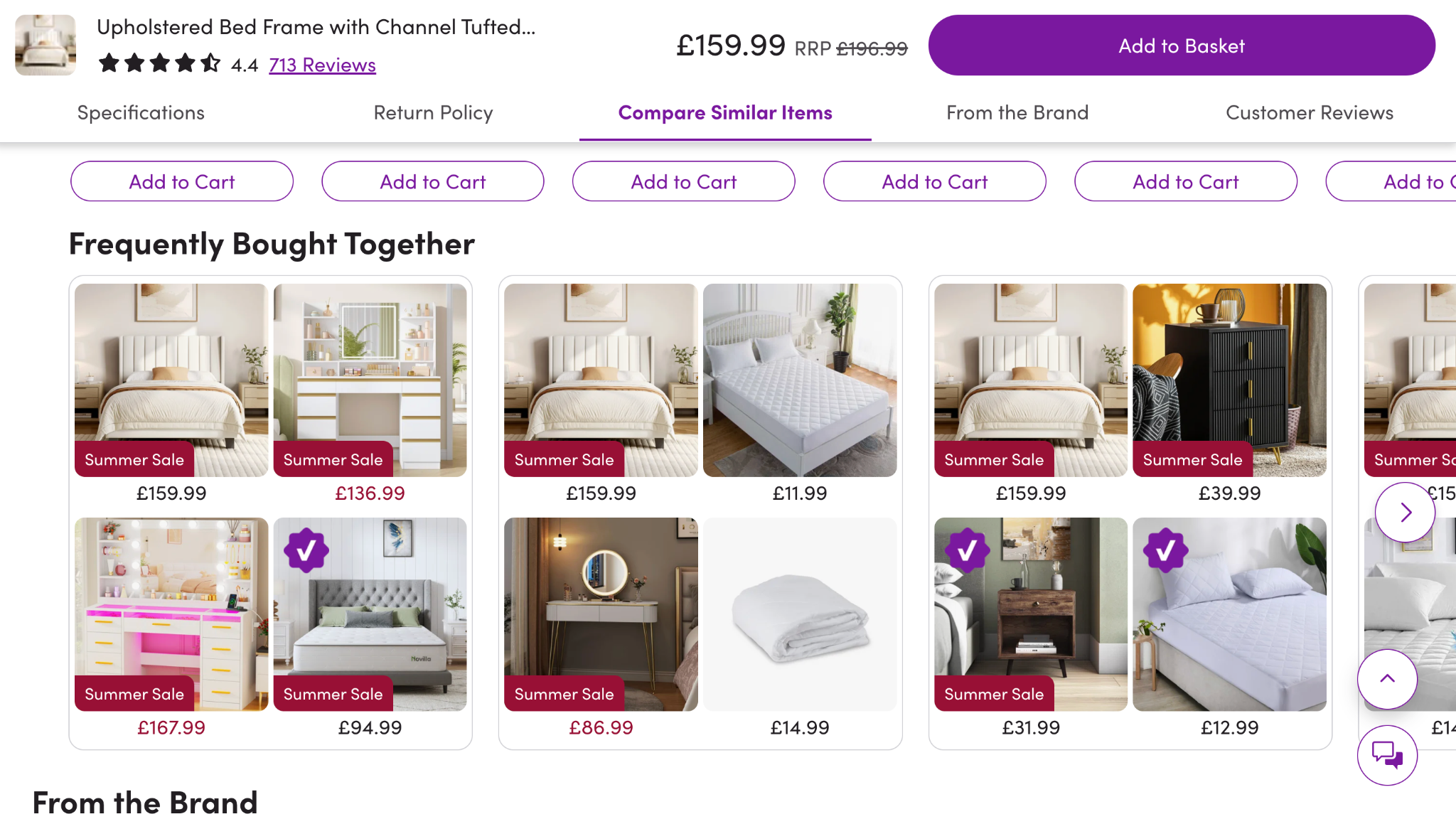
Not every cross-sell product recommendation needs to be expensive to be effective. Wayfair pairs big-ticket purchases with inexpensive extras—the kind of impulse add-ons you'd find near a physical checkout counter. Because the stakes are low, shoppers add them to their cart without much deliberation, making this one of the easiest wins in cross-selling.
3. Offer complete furniture bundles
Instead of selling furniture as standalone products, curate complete room solutions that naturally increase order value. For example, pair a sofa with a matching armchair and ottoman, or bundle a desk with an ergonomic chair and storage unit at a slight discount compared to purchasing each item separately. Well-designed furniture bundles simplify the buying process, reduce decision fatigue, and help customers own a full-featured space.
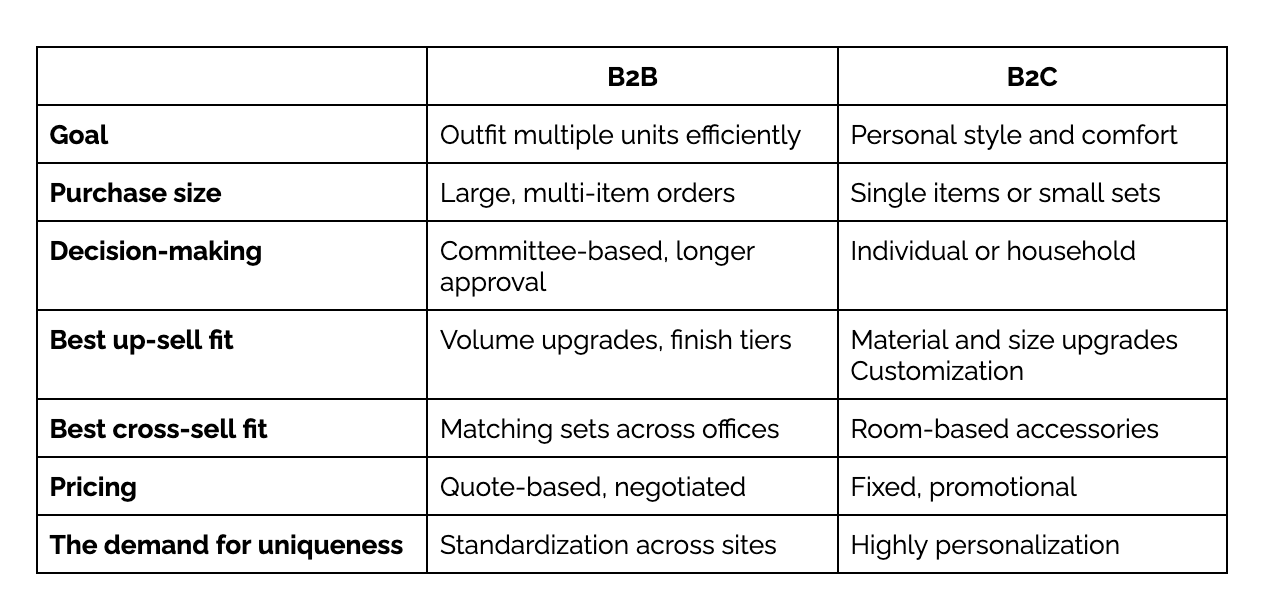
What to Consider: B2B vs B2C Furniture Buyers
Understanding these differences is essential if you want to cross-sell and upsell furniture effectively and maximize revenue from every order. More importantly, it also provides valuable, in-depth insights into how to upsell and cross-sell your B2B service, where purchasing decisions involve multiple stakeholders, larger budgets, and longer sales cycles.
Measure the Success of Your Upsell and Cross-Sell Strategy
Learning how to upsell and cross-sell furniture doesn’t stop at utilizing the best strategies. You also need to track the performance of your efforts, focusing on the following metrics:
- Average order value (AOV): Are customers spending more per order?
- Upsell and cross-sell conversion rate: Which offers are being accepted?
- Revenue per visitor: Are recommendations increasing sales?
- Customer lifetime value (CLV): Do repeat customers spend more over time?
- Bundle performance: Which product combinations sell best?
Note: Review these metrics regularly, and A/B test different offers, placements, and messaging. Small optimizations can completely support better sales pipeline management.
Conclusion
Mastering upsell vs cross-sell strategies is about delivering more customer value, not simply increasing sales. By understanding customer intent, personalizing recommendations, and placing them at the right touchpoints, furniture businesses can increase AOV while creating a better online and on-site shopping experience. Whether you're using product bundles or a 3D configurator, every interaction is an opportunity to help customers find the right products. The key to how to upsell and cross-sell furniture successfully is making every offer timely, relevant, and useful, so customers feel supported rather than pressured to spend more.
Table of Content
-3.avif)
Streamline your process today!