Summer is nearly the peak season for outdoor furniture purchases. Modern customers consider patios, balconies, terraces, and gardens as extensions of their living spaces, prioritizing comfort, aesthetics, personalization, and functionality over basic outdoor setups.
Therefore, for furniture brands, leading the outdoor furniture trends is no longer optional. It is truly critical to stand out in a competitive market and drive strong summer furniture sales. This blog will dive into 7 must-watch trends and how you can capitalize on them effectively.
Right now, keep scrolling to discover more!
Why Outdoor Furniture Demand Continues to Grow
The outdoor living market has been on a rapid growth, and here are the converging forces:
- The rise of the outdoor living culture
This is considered the most significant driver. Homeowners increasingly design their outdoor furniture with the same intent they once reserved for their interiors. Outdoor living spaces have become rooms in their own right, where everyone can cook, work, socialize, and rest.
- Home improvement spending
People traditionally tend to spend more on interiors. But today, thanks to higher living standards, they are directing their budgets toward upgrading the exteriors of their homes. That’s why the market witnesses a surge in demand for premium, design-led patio furniture.
- Staycation lifestyles
Shoppers who embraced home-based leisure and work performance during and after the pandemic have maintained the habit. The garden and terrace have replaced the holiday resort for many, creating demand for outdoor environments that feel truly well-appointed.
- Multifamily outdoor amenities and hospitality investments
Apartment developers and hotel groups are upgrading rooftop terraces, pool areas, and courtyard spaces to attract and retain tenants and guests. More importantly, these projects tend to require durable, design-forward solutions that still fit well within the agreed budget.
Top Outdoor Furniture Design Trends for Summer 2026
These are the outdoor furniture trends and outdoor furniture design directions shaping purchasing decisions this summer. You can consider and launch properly for the best sales.
1. Eco-Conscious Materials and Solutions Lead the Way
Sustainable outdoor furniture is moving from niche consideration to critical expectation. Both commercial and residential clients are seeking pieces made from recycled aluminum, responsibly sourced teak, reclaimed wood, and weather-resistant furniture fabrics produced from recycled plastics. Therefore, once you can credibly communicate your sustainability credentials, you might see significant improvements for your brand identity and conversions.
Notably, sustainability now extends to design philosophy: outdoor furniture built to last, with timeless aesthetics that do not need replacing every season, can justify premium pricing.
2. Adaptive Outdoor Furniture Maximizes Flexibility
This outdoor furniture trend is becoming a key feature of modern backyard design trends, helping homeowners make the most of their available space. Modular outdoor furniture, in particular, offers exceptional versatility. For example, a compact 2-seat arrangement can transform into a spacious U-shaped setup for weekend gatherings or outdoor entertaining.
Other striking examples of multifunctional furniture include section sofas that can be reconfigured for different occasions and daybeds that convert into additional seating. These flexible designs allow consumers to quickly adapt their outdoor spaces to changing needs.
3. Custom-Made Outdoor Furniture Reflects Personal Style
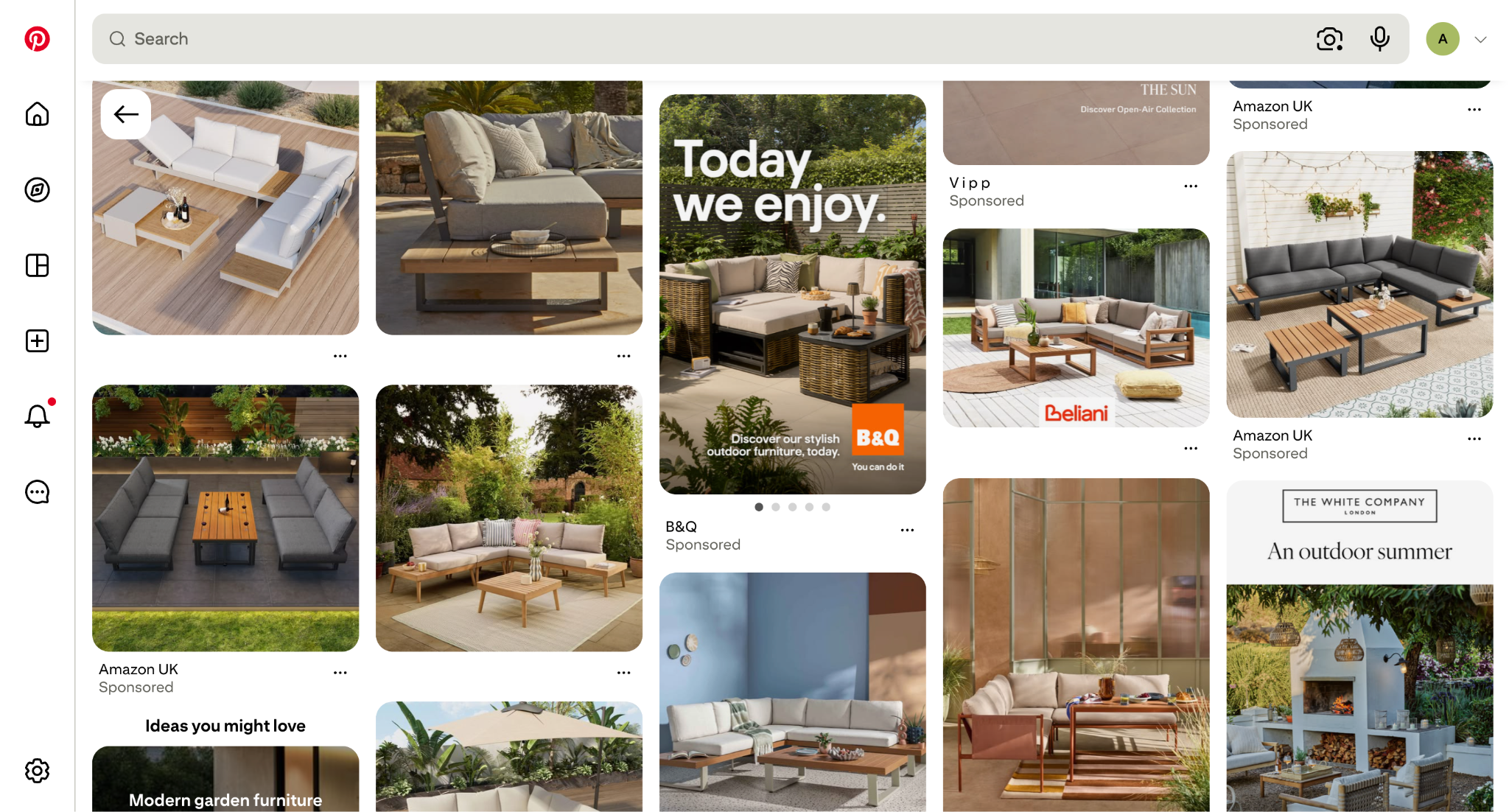
Outdoor furniture customization has become a core purchase driver. Customers want to freely choose frame finishes, cushion colors, fabric grades, and configuration options rather than only accept what is already on a showroom floor or on product collections on websites.
In fact, this demand mirrors what has long been standard in the kitchen and interior niches, and it is now reshaping expectations for outdoor furniture designs too. In this way, brands that offer configurable, customizable ranges are converting more browsers into shoppers.
4. European-Inspired Retreats Bring Timeless Charm Home
Spanish, Italian, and Mediterranean styles have exerted a strong influence on the outdoor entertaining market. Clean architectural lines, natural stone textures, terracotta tones, and wrought detailing are all feeding into consumer desire for outdoor spaces that feel curated and grown-up. Luxury outdoor furniture collections drawing on these references are performing strongly across both the residential premium and contract hospitality segments.
5. Indoor-Inspired Comfort Transforms Outdoor Living
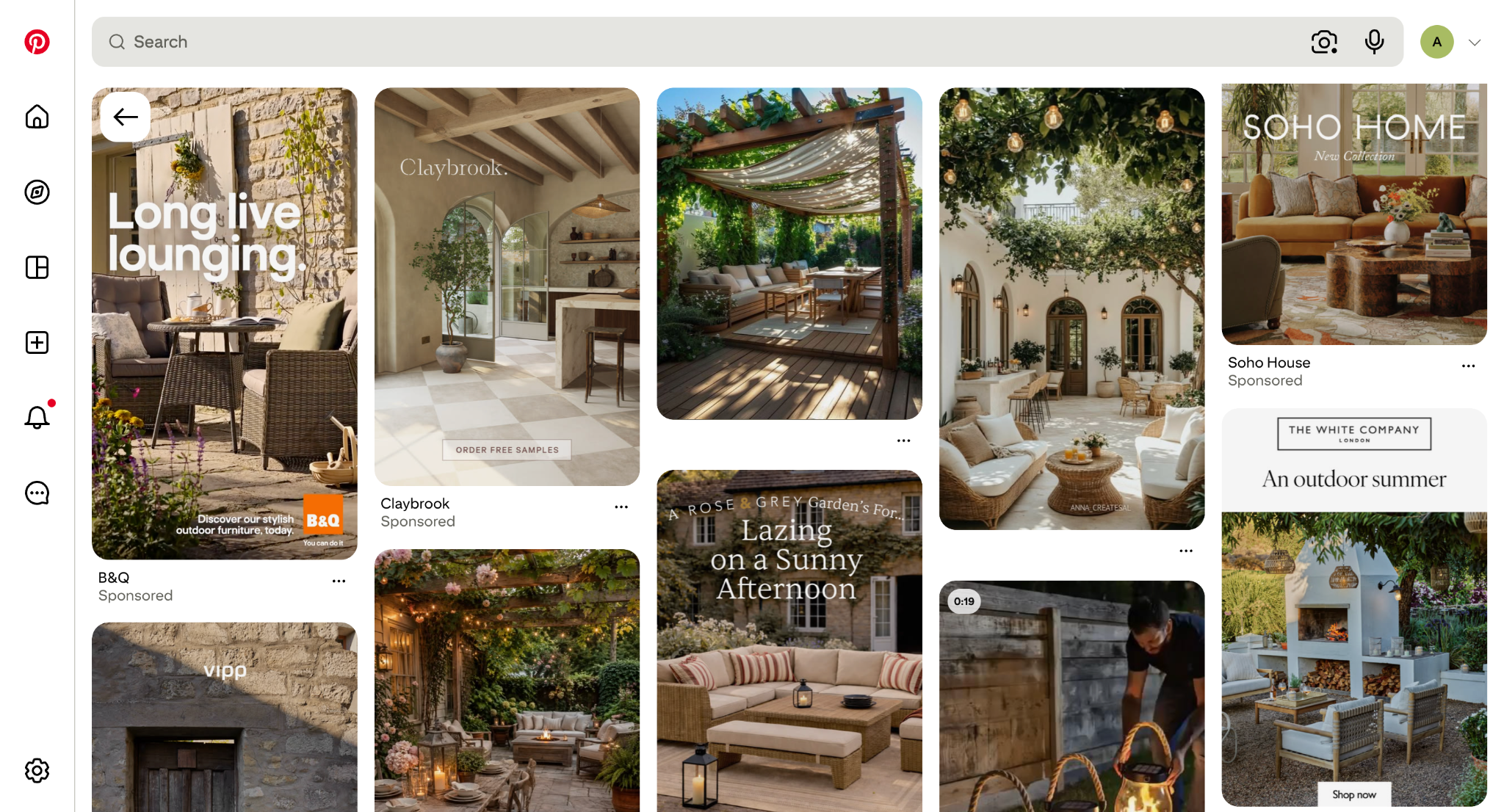
This approach has dissolved the gap between feelings of inside and outside experience. Many outdoor seating collections feature deep-cushioned sofas, layered textiles, and accessory pieces (e.g., lanterns, outdoor rugs) that would look similar to your living room. From that, your outdoor space feels as considered and comfortable as the rest of the home.
6. Cozy Earth Tones Create Timeless Outdoor Retreats
Color palettes of this year lean into warm neutrals, including sand, stone, terracotta, and warm taupe, which might be beautifully punctuated by earthy greens and muted blues. These tones truly work harmoniously with natural garden settings and age gracefully through seasons. To fully unlock this outdoor furniture trend for the best sales results, businesses should present curated color stories rather than focusing on isolated swatches.
7. Tactile Textures Add Depth to Outdoor Spaces
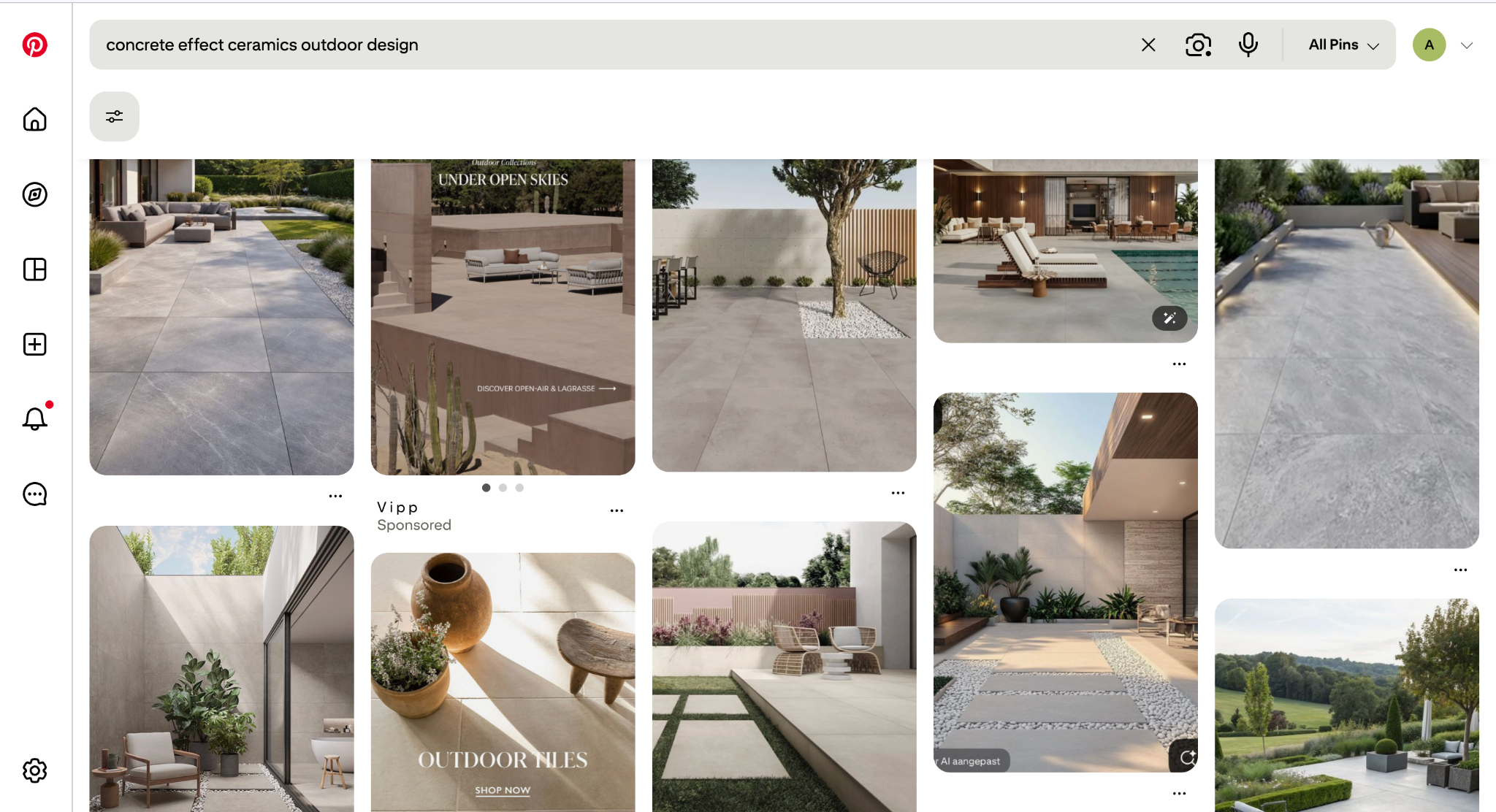
Surface quality and material variety have become critical in outdoor furniture design. Woven rattan, brushed aluminum, lava stone tabletops, concrete-effect ceramics, and textured performance textiles all add visual and tactile interest that photos well and hold up in person.
How Furniture Brands Can Capitalize on Summer Trends
Now that you’ve clarified the outdoor furniture trends. However, to translate them into real summer furniture sales, a commercial strategy should be considered. Let’s take a look here:
- Invest in lifestyle photography
Consumers buying patio furniture are buying a vision of their outdoor life, not just a product. You should have shot in real gardens and terraces, not studios. Also, it’s recommended to show the furniture at different times of day, in different configurations, and with activities your audience identifies with. High-quality images drive engagement and build confidence.
- Use 3D configuration tools
Instead of offering basic customization options for color or texture, 3D product configurators help enhance the customer experience through immersive interactions. They can configure the outdoor furniture design themselves by selecting frames, fabrics, and colors, and visualizing it instantly from all angles. This is valuable because multiple components and configurations can make purchase decisions more complex when using only static visuals.
With every customization, pricing, and quotation can be updated instantly, giving complete transparency before moving to the checkout stage. Also, advanced rule-based configuration systems ensure that only compatible combinations can be selected, reducing mistakes.
Brands can further enhance the experience by combining real-time 3D visualization with augmented reality (AR). This lets shoppers place furniture in their own outdoor spaces using a smartphone or tablet via a QR code, helping them assess scale, style, and fit accurately.
- Showcase sustainability credentials
Every credential needs to be visible and clearly stated when you decide to sell eco-friendly products. This works across all industries, not just furniture. Certifications, material sourcing, and durability claims all deserve prominence in product content and brand communications.
- Create seasonal promotions
Rather than discounting individual SKUs, you should position summer promotions around complete outdoor room ideas. Bundling furniture with cushions, rugs, and accessories is one of the proven holiday marketing strategies to help manufacturers and retailers increase AOV. Moreover, you can offer limited-time customization, free delivery, and exclusive collections.
- Focus on outdoor room concepts rather than individual products
Consumers often struggle to visualize how individual items work together, especially when designing larger outdoor spaces. Let’s showcase curated outdoor room concepts that combine seating, dining, lighting, shade solutions, and accessories into cohesive designs. This not only encourages customers to purchase more but also completes full collections.
Conclusion
The outdoor furniture trends shaping this summer reflect a significant shift toward purposeful, premium, and personalized outdoor living. Brands that align their product ranges, digital experiences, and brand messaging with these trends are well-positioned to drive strong summer furniture sales. The chance is clear; it’s time to act to lead the market.
FAQs
- What are the biggest outdoor furniture trends in 2026?
Sustainable, modular, neutral-and-warm-toned, made-to-order, and EU-inspired outdoor furniture are the most significant trends that you can consider to kickstart your business. However, it’s recommended to focus on one or two to align well with your target audience.
- Why is modular outdoor furniture becoming popular?
Modular outdoor furniture appeals to modern consumers because it adapts to how they actually live. A modular configuration can be completely reconfigured for different purposes. For urban homes with limited outdoor living spaces, modularity will help maximize flexibility.
- How does customization help outdoor furniture brands increase sales?
Outdoor furniture customization gives shoppers greater control of the final product designs. When shoppers can choose their own frame finish, fabric color, and configuration, they are more invested in the outcome and more likely to complete the purchase. This apparently transforms their personalized buying experiences, boosts their satisfaction, and drives sales.
- What materials are trending in outdoor furniture?
The most in-demand materials for outdoor furniture include recycled aluminum, responsibly sourced and FSC-certified teak, reclaimed wood, and solution-dyed acrylic or recycled-fiber performance fabrics. Besides that, you can consider weather-resistant furniture technology.
Table of Content
-3.avif)
Streamline your process today!