
.png)

Managing complex B2B deals requires more than spreadsheets and static CRMs. Buyers expect speed, accuracy, and personalized experiences while sales teams need visibility, forecasting, and automation. That’s why choosing the best software to manage B2B sales pipelines is crucial to optimizing their sales and providing excellent customer support.
This guide explores what B2B sales pipeline software is, how it works, and the top tools to optimize B2B sales pipeline performance. You will also find expert tips for choosing the right stack and recommended platforms. Right now, keep scrolling to discover more!
What Is Pipeline Management Software For B2B?
So, what is pipeline management software? It is a set of tools that help businesses track leads, manage deal stages, analyze performance, and control every interaction from first contact to final purchase. In B2B selling, pipelines tend to be long, tailored, and complex. That’s why your tech stack might support a wide variety of tasks, including configuration, visualization, quoting, forecasting, engagement, and collaboration across departments.
With these functions, modern pipeline tools can help streamline workflows, increase accuracy, enable real-time visibility, and accelerate deal cycles for high-value products. Apparently, the right tools ensure that every lead receives a timely follow-up, every product configuration is accurate, and every quote is sent promptly. All of these reduce waiting time for clients and help your salespeople move deals forward with confidence.
Best Software to Manage B2B Sales Pipelines
#1. Customer Relationship Management (CRM)
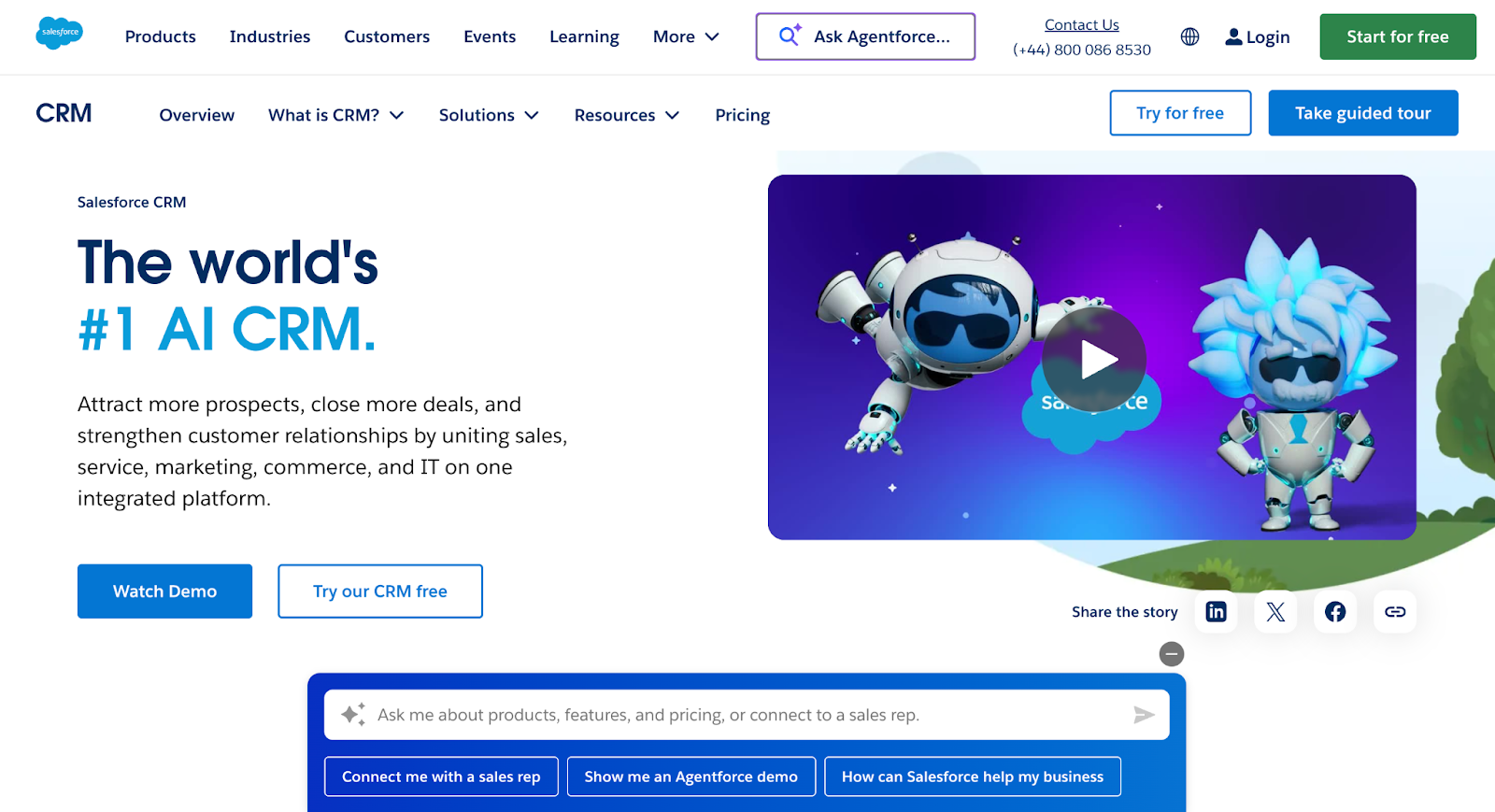
CRM systems are the central system where all leads, contacts, accounts, and deals are logged and monitored. They organize conversations, automate follow-ups, manage tasks, and track the entire buyer journey in one interface. A modern CRM also integrates email, phone, analytics, automation, and pipeline views, so teams know what to do next.
Why does it matter for B2B pipelines
- Keep all lead and account data organized for the whole track of conversions
- Ensure consistent follow-ups and prevent deals from going cold
- Improves pipeline visibility for forecasting and cross-team collaboration
- Supports long, multi-stakeholder B2B sales cycles with structured deal stages.
Outstanding providers: HubSpot, Salesforce, Pipedrive, and Zoho
#2. Product Visualization: Imagery and Demo
The following best software to manage B2B sales pipelines is visualization tools, which enable sales teams and clients to interact with products for a deeper understanding. Virtual demos, 2D previews, 3D product visualization, and even augmented reality (AR) experiences are typically what users can expect. Notably, when combined with a 3D configuration feature, reps can deliver accurate visuals for your custom selections, eliminating confusion about the final designs, especially in manufacturing and furniture.
Why does it matter for B2B pipelines
- Help understand products instantly with imagery, demos, and 3D visualizations
- Shorten sales cycles by minimizing buyer confusion and repeated clarifications
- Reduce errors during quoting by aligning expectations early
- Boost buyer confidence and increase conversions for customization products.
Outstanding providers: VividWorks, KBMax, and Threekit
#3. Quote building: CPQ and 3D CPQ
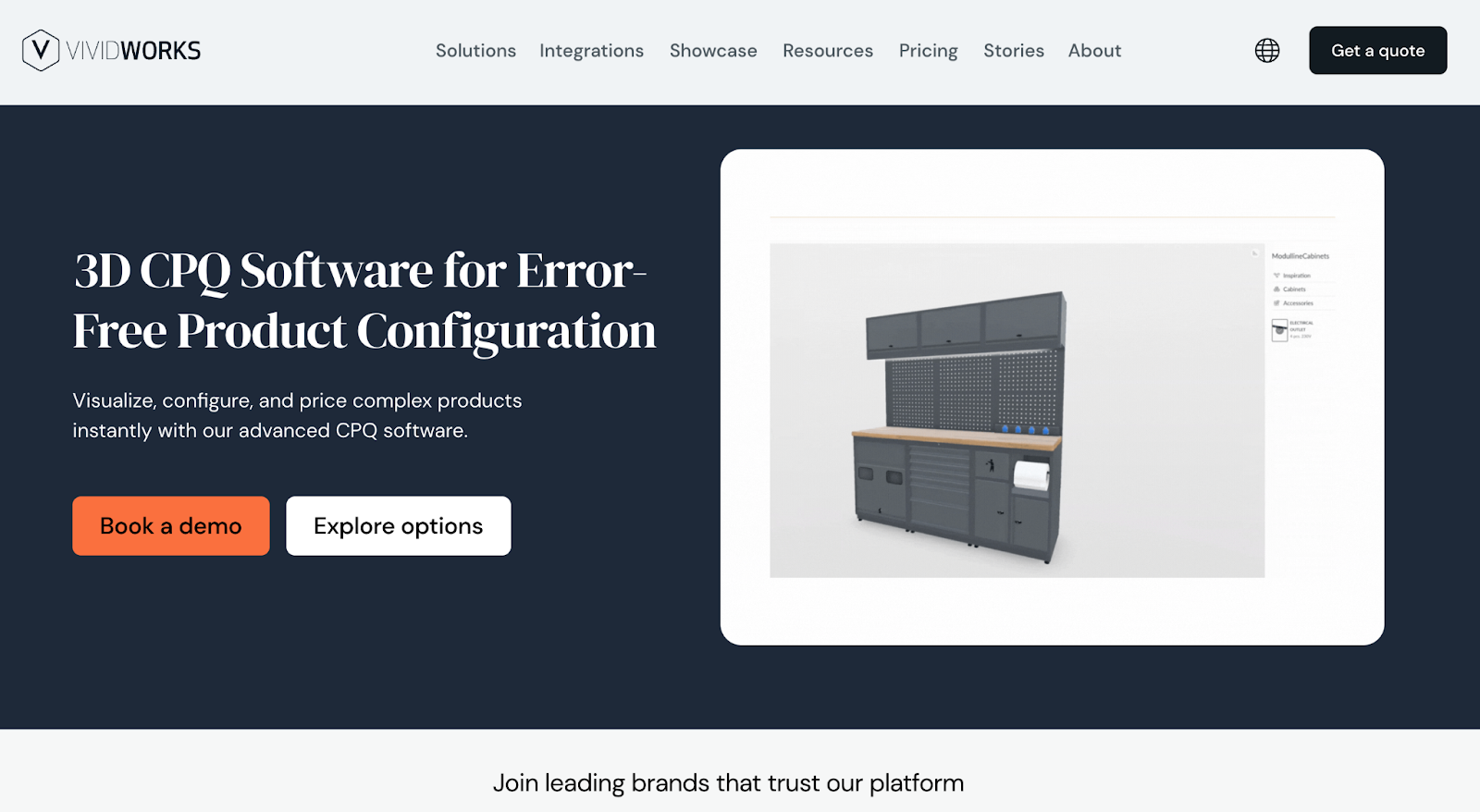
CPQ (Configure, Price, Quote) is a sales pipeline management software that helps automate the quoting process, reducing manual calculations and effort for sales teams. A 3D CPQ software solution takes this further by integrating 3D visualization, real-time pricing, and quoting into a single hub. This means that you can configure a desired item, then visualize it from all angles, and get accurate prices and quotes immediately. This high interaction transforms buyer experiences, driving them to close deals more quickly.
Why does it matter for B2B pipelines
- Speed up quoting by automating configuration, pricing, and approval workflows
- Improve accuracy and prevent costly mistakes in custom product builds
- Offer immersive visualizations for product clarity, further minimizing return rates
- Help sales reps respond faster, reducing delays that slow down B2B deals.
Outstanding providers: VividWorks, Zoovu, and HeadQ
#4. Pipeline Analytics and Forecasting
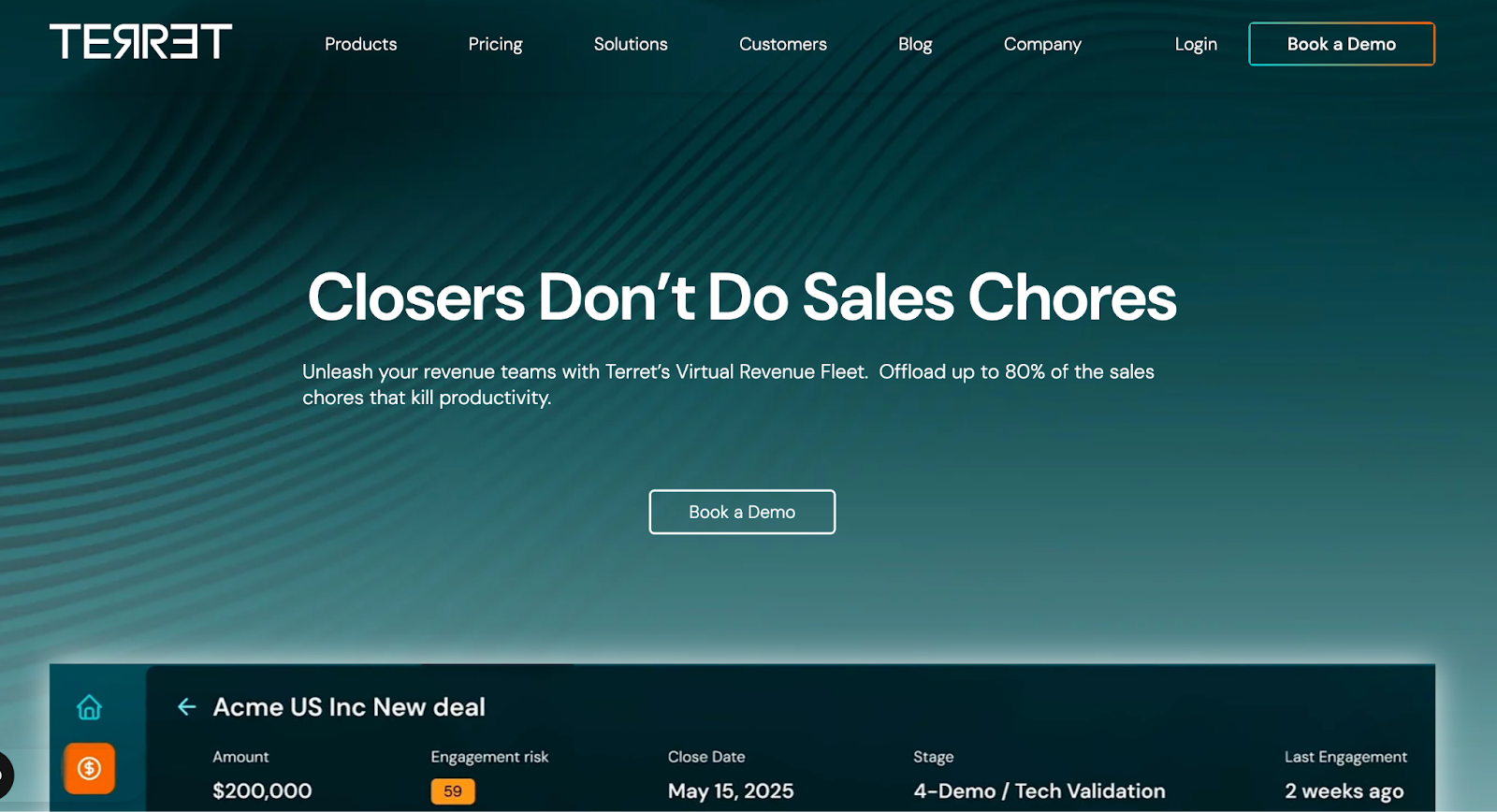
These platforms can deliver real-time visibility into deal performance, rep productivity, and revenue trends. Sales teams can ultilize them to analyze historic activity patterns for predicting deal outcomes and highlighting risks. Some AI-powered systems can also combine CRM data, conversion signals, and buyer behaviours for more accurate insights. In short, analytics and forecasting tools provide a clear check to make better decisions.
Why does it matter for B2B pipelines
- Give leaders real-time insight into deal health, risks, and revenue projections
- Improve forecast accuracy with AI-driven insights and activity data
- Identify bottlenecks so teams can fix stalled or low-quality deals quickly
- Support strategic planning by predicting outcomes earlier in the cycle.
Oustanting providers: Clari, Gong Forecast, and Terret.
#5. Marketing Automation Software
This best software to manage B2B sales pipelines is crucial to nurture leads through the top and middle of the funnel. It automates email campaigns, lead scoring, segmentation, and behaviour tracking. From that, you can ensure prospects receive relevant content based on their intent, like guides, product recommendations, or follow-up sequences.
Why does it matter for B2B pipelines
- Ensure leads are nurtured with relevant content until they're sales-ready
- Reduce manual tasks with automated sequences, scoring, and segmentation
- Enhance lead quality and expedite progress through early pipeline stages
- Sync with CRM to give sales teams complete visibility into buyer intent.
Oustanting providers: HubSpot Marketing Hub, Marketo, ActiveCampaign
#6. Sales Engagement Platforms
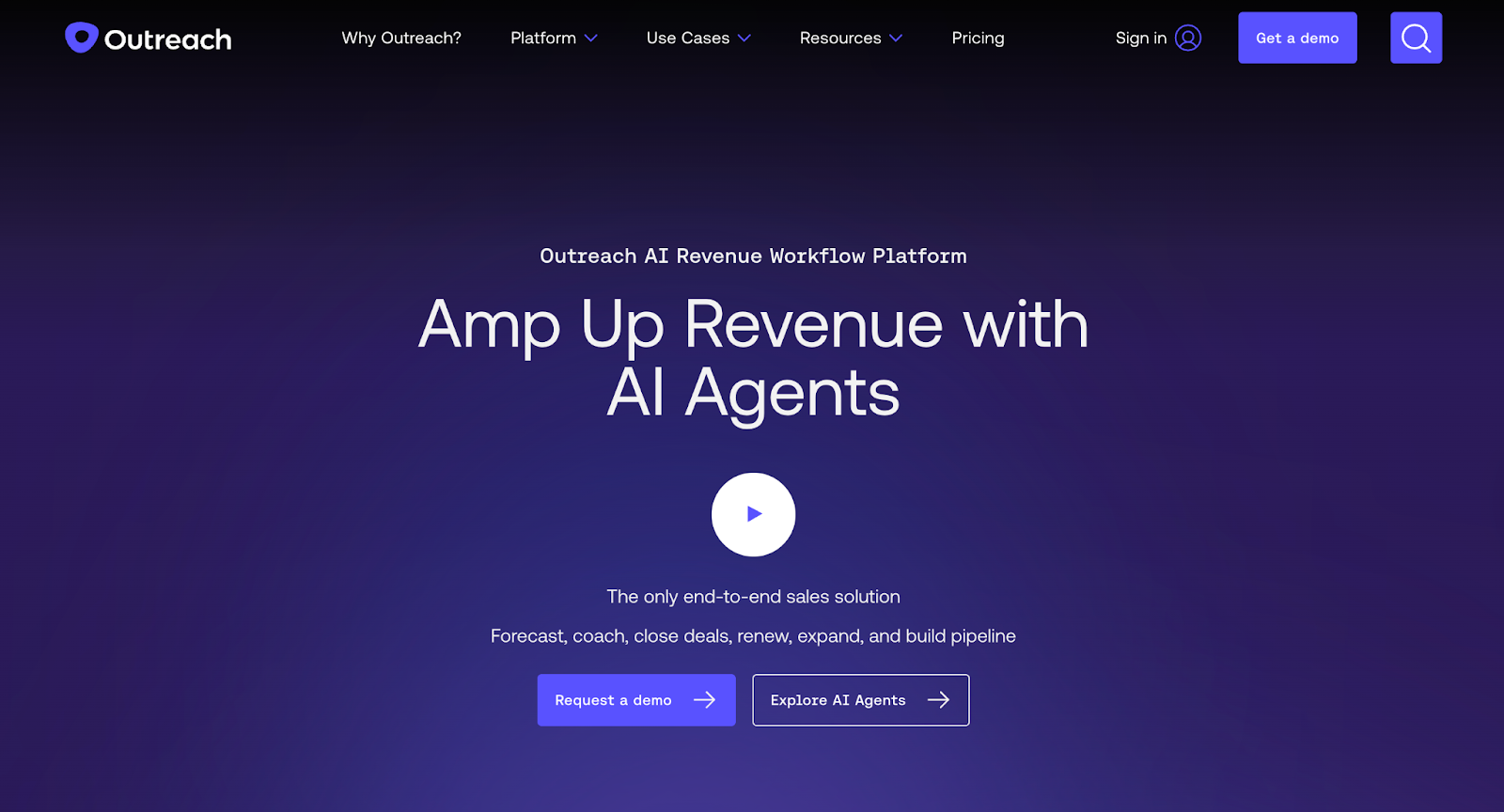
With these tools, you can coordinate and scale outreach strategically. They centralize sequences, cadences, templates, call logs, and analytics to reach more prospects with consistent messaging. This helps manage large volumes of outreach, track engagement across various channels, and optimize the timing and frequency of follow-up effectively.
Why does it matter for B2B pipelines
- Ensure consistent, structured outreach so no lead is left without follow-up.
- Automate high-volume sequences, helping reps focus on qualified leads
- Provide analytics on messaging, timing, and engagement to improve conversions
- Align prospecting efforts across teams to create predictable top-of-funnel activity.
Oustanting providers: Outreach, Salesloft, Groove
7# Sales Communication tools
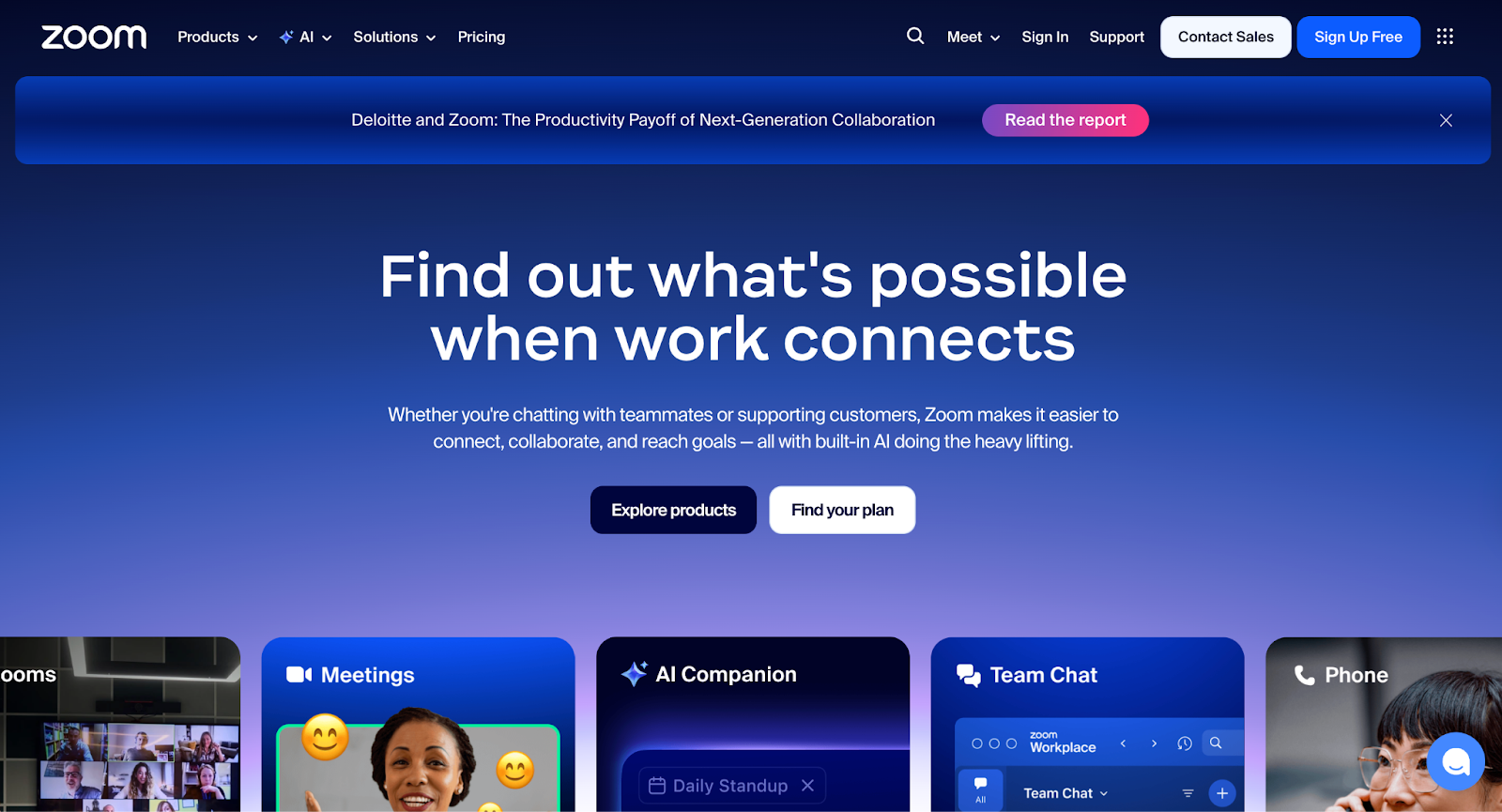
The final name of our list of best software for managing B2B sales pipelines is sales communication tools, focusing on real-time, direct interactions such as video calls, email, phone calls, and meeting scheduling. They are designed to facilitate live conversations, support demos and negotiations, and ensure prompt responses when deals are active.
Why does it matter for B2B pipelines:
- Enable fast, real-time communication for demos, negotiations, and discussions
- Reduce delays by offering instant meetings, calls, and exchanges
- Provide timely responses and seamless interactions via the sales pipeline
- Keep conversations centralized for accurate forecasting and deal progression.
Outstanding providers:
- Online phone call: Aircall, HubSpot call, etc.
- Email: via CRM, or emails like Gmail, Outlook Mail
- Calendar booking: Calendly, HubSpot Calendar
- Online call: Google Meet, Zoom
How To Choose The Best B2B Sales Pipeline Software
In addition to the best software for managing B2B sales pipelines mentioned above, further enhancing your overall performance can be achieved by utilizing additional tools, such as sales collaboration tools and data enrichment solutions. To maximize your ROI, you can not implement all, but try to select software strategically, with the following tips:
- Evaluate your product and deal complexity: If your products are configurable or involve complex inputs, consider using visualization, 3D CPQ, and similar tools that integrate well with CRMs to minimize errors and expedite approval cycles.
- Consider customization capabilities: You need to ensure the software can adapt to your unique sales process, product structure, and internal approval rules.
- Check the level of automation and integration: Your tools can connect seamlessly with the CRMs, ERPs, and eCommerce platforms, as well as automate repetitive tasks to reduce workload, boost efficiency, and free up sales teams.
- Understand your internal workflow: Before deciding on any software, it’s critical to map out your entire sales journey, from lead capture to closing, to invest in ones that can solve actual bottlenecks without wasting a lot of time and money.
- Evaluate budget and scalability: The best solution is not suitable for all situations; therefore, choosing the best fit should be prioritized. You should consider your budget, needs, and future scalability to make an informed decision.
Now, if you want to kickstart your testing with 3D CPQ and product visualization software, book a demo with VividWorks to see how our experts can deliver result-driven solutions. Hopefully, you will have software that is strategically chosen to achieve the best results.
Table of Content
-3.avif)
Streamline your process today!



.png)
