
Pricing furniture is both an art and a science in sales. Therefore, setting the right price is truly essential to determine profitability, competitiveness, and brand perception in the market.
Many brands struggle with how to price furniture, as it is often seen as a high-investment item that demands careful consideration. If the price is too high, potential buyers hesitate. But if it is too low, profit margins shrink and you may appear less valuable and at risk of loss. That’s why a key principle should be: product costs + market expectations + perceived value.
In this blog, we explore the best pricing strategies for furniture businesses, common pricing scenarios, and tips for justifying premium prices through effective furniture marketing ideas.
Right now, let’s get into it with us!
Key Factors To Consider When Pricing Furniture
Furniture brands need to evaluate the factors that influence product value and profitability. Successful furniture pricing often involves diversified aspects, but three key ones should be:
- Production conditions
This is the most common method for determining how to price furniture and other products. The process begins by calculating all production expenses, including raw materials, labor, craftsmanship, manufacturing, logistics, distribution, marketing, and administrative costs. Once these costs are clearly identified, a markup is applied to ensure your business's profitability.
For example: Total cost ($400) + Desired margin (40%) = Final furniture price ($560)
- Market and demand
This condition has become non-negotiable in pricing furniture. Your brand should analyze: competitor prices, consumer demand, market trends, and target audience expectations.
For instance, office furniture pricing often varies by target market. A compact desk designed for home offices or small workspaces will typically cost much less than an executive desk built for corporate environments. These differences apparently reflect the purchasing power.
Seasonal demand also affects pricing. When a certain style becomes popular, retailers tend to charge higher prices due to increased demand, and of course, many buyers still pay for it.
- Perceived value and experience
Customers tend to pay more for furniture brands that offer: unique design, customization options, superior craftsmanship, and premium shopping experiences. This is where furniture marketing and digital marketing for furniture businesses work to influence pricing power.
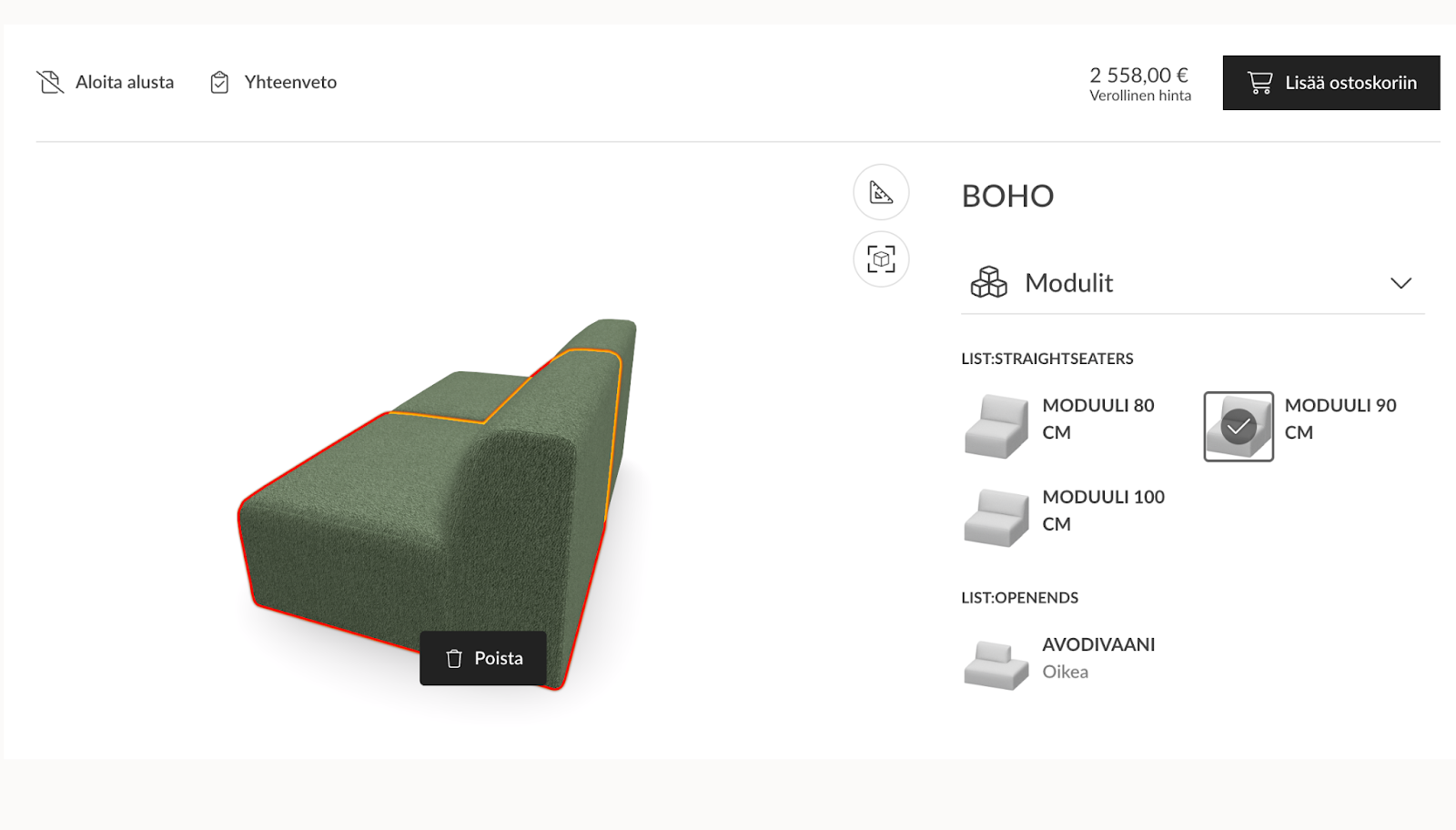
Many furniture brands use product visualization and configurators to boost the experience. Buyers can customize and preview their desired items from all angles to better understand their features. Real-time pricing is also integrated into the configurator, ensuring costs are updated instantly as customers modify their selections. This higher level of interaction and transparency is especially effective in justifying higher furniture prices and closing deals.
How To Price Furniture: 3 Common Cases to Watch Out
Case 1: Furniture pricing for used items
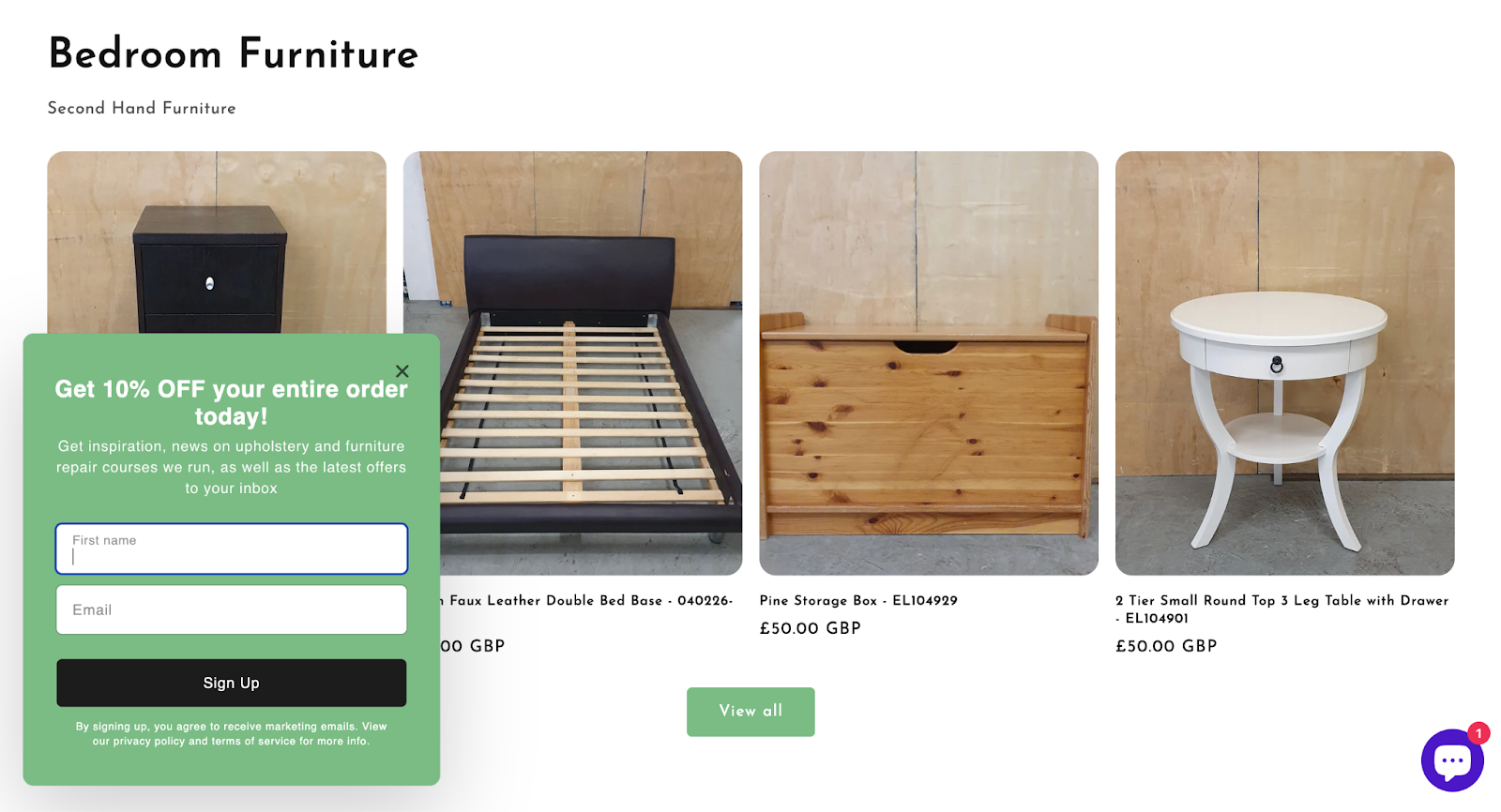
Second-hand items require a different approach to how to price furniture than new ones. This is because used furniture typically loses value with age, requiring careful evaluations of its condition. However, some exceptions, like vintage and designer pieces, may be retained. Even many furniture shops admit that the price of used items increases due to their value.
A common rule in resale markets is pricing products at 30-50% of their original retail value. For example, if the original price of the sofa is $1,200, the resale value is often $600-$800. Additionally, understanding local needs helps sellers identify the best way to sell furniture.
Case 2: Calculating furniture prices for custom-made designs
Pricing bespoke furniture requires a more detailed structure, as each piece is nearly unique.
- Materials: premium hardwoods, luxury fabrics, and specialty finishes
- Labor: concept development; design; crafting and finishing; and installation/ delivery
- Overhead costs: workshops, equipment, utilities, and business administration
- Market demand: High-end or high-demand furniture can command premium costs
- Profit margin: target 40-60% to remain profitable, as made-to-order, complex furniture designs often result in high product returns, costly reworks, and mistakes.
Case 3: Pricing furniture for new mass-production pieces
This furniture type follows a more standard pricing model. Manufacturers tend to minimize prices, enabling retailers to maintain consistent markups while remaining competitive. Typical retail markup for furniture ranges from 100% to 200% across most common niches. For example, if the manufacturing cost is $200, the retail price should be $400-$600.
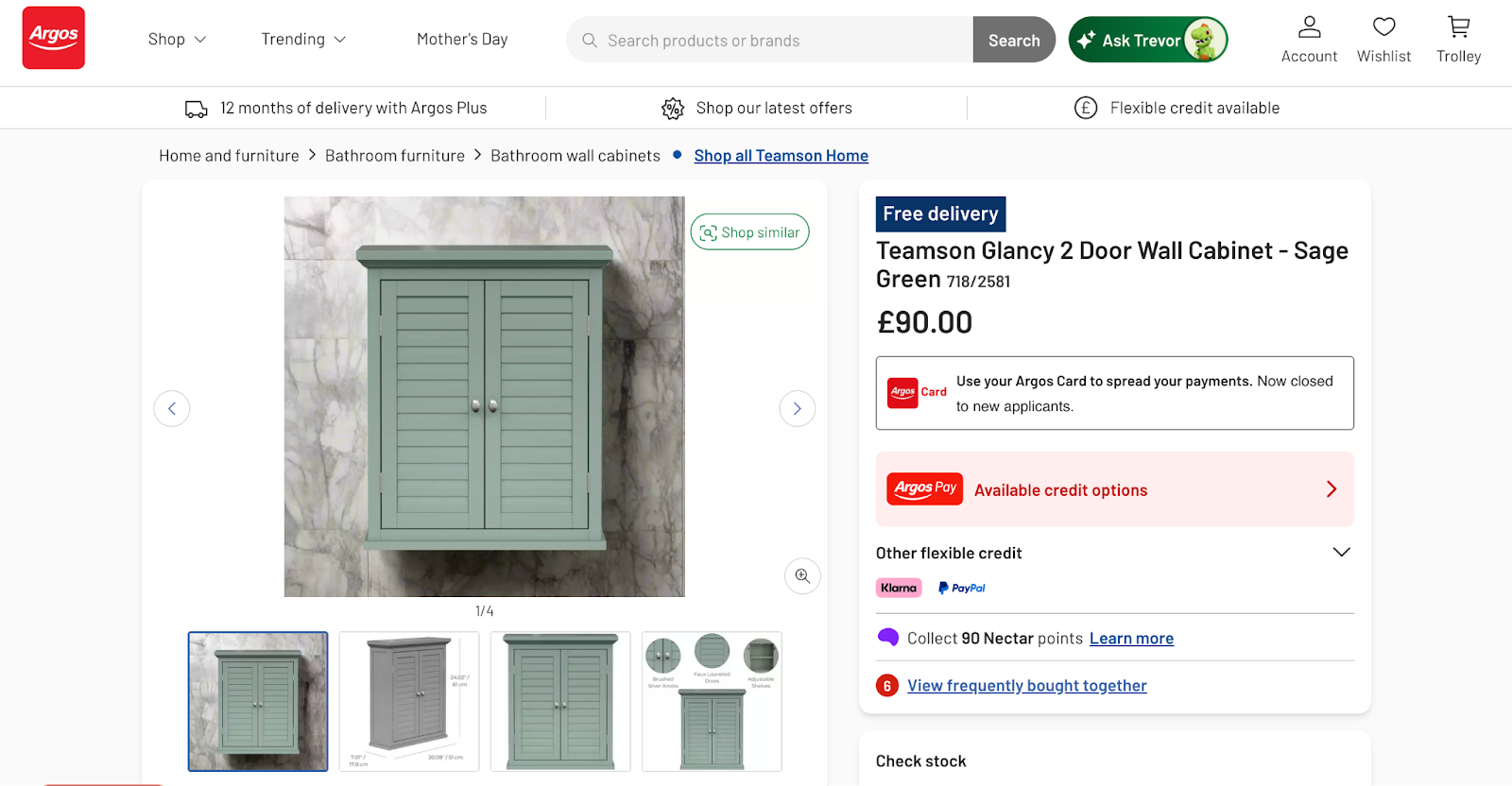
Another striking point for mass-market brands is their reliance on furniture digital marketing to boost online product visibility and attract potential buyers. Search tools (e.g., Google) and eCommerce platforms all help customers explore and evaluate products before purchasing.
What Is The Best Pricing Strategy for Furniture?
It is hard to identify the best pricing strategy for the furniture business because you need to consider how to price furniture depending on diverse factors and your furniture brand goals.
Let’s take a quick look at three common strategies used in the furniture industry below!
1. Cost-Plus
This strategy calculates the total cost required to produce a product and then adds a fixed markup to generate profit effectively. As mentioned above, the total cost typically includes:
MATERIALS + LABOR + MANUFACTURING OVERHEAD + OTHER OPERATIONAL EXPENSES
Once these costs are calculated, you apply a markup percentage to identify the final price.
2. Value-Based Pricing
Value-based pricing focuses on a product's perceived value rather than its production cost. In this model, the price reflects how much buyers are willing to pay for the design, quality, brand reputation, and overall experience. This strategy is often supported by strong furniture marketing and storytelling that emphasizes design quality, sustainability, or customization.
3. Market-based
This is a flexible strategy in which furniture prices adjust to current market conditions. Furniture retailers adjust their prices based on demand, inventory levels, competitor pricing, seasonal needs, and consumer buying trends. For example, when demand for items increases, such as during holidays or home renovations, stores may charge higher prices. Conversely, prices may be reduced to move inventory/attract buyers during slower periods.
Don’t forget to get inspired by holiday marketing strategies to transform furniture revenues.
3 Tips To Enable Furniture Pricing When Optimizing Furniture Marketing
Now that you understand how to price furniture, the next step is aligning your pricing with effective marketing strategies. Pricing and marketing should work together to communicate unique value, attract the right customers, and support your brand's long-term profitability.
#1. Clarify Your Furniture Niche and Positioning
Your pricing should always reflect your brand’s market positioning. Before finalizing any pricing strategy, furniture businesses must clearly define their niche and target audience.
Let’s try to ask key questions, such as:
- Are you targeting premium or budget-conscious customers?
- Do you specialize in custom-made furniture or mass production?
- Is your brand focused on sustainability, craftsmanship, or modern design?
Many brands successfully align pricing with creative best-in-furniture marketing campaigns that highlight design value, product innovation, compelling storytelling, and lifestyle appeal. When positioning is clear, customers better understand why a product costs what it does.
#2. Briefing and Internal Alignment Are Non-Negotiable
Pricing decisions require collaboration between marketing, sales, product development, and management teams. A detailed internal briefing ensures everyone understands target price ranges, expected profit margins, customer segments, and brand competitive positioning. Without alignment, businesses risk inconsistent messaging, brand credibility, and pricing ranges across marketing campaigns, eCommerce stores, and brick-and-mortar showrooms.
#3. Offer Unique, Powerful Technologies to Justify the Price
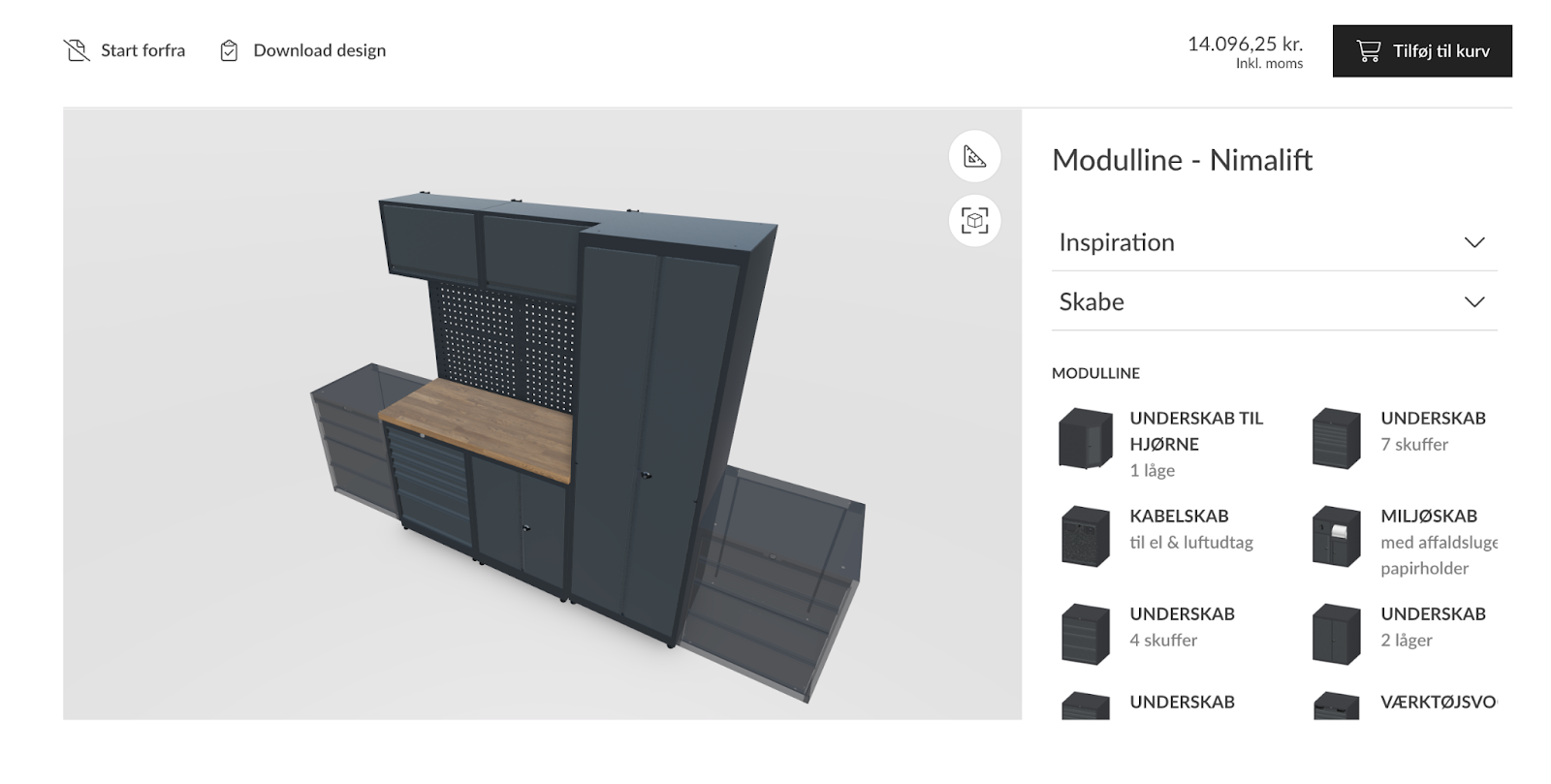
Furniture manufacturers and retailers increasingly rely on online sales tools to enhance the shopper experience, justify higher prices, generate more furniture leads, and drive sales. Technologies such as 3D product configurators, Visual Configure, Price, Quote (Visual CPQ), and AR for furniture have become go-to choices for many bespoke, made-to-order brands.
- Visual CPQ: Users configure furniture while instantly seeing price, quote, and visual updates based on customization options, providing greater clarity into the final items.
- 3D furniture configurator: The ability to configure and preview custom furniture from all angles, offering an immersive experience when shopping for products online.
- Augmented Reality (AR): Users can visualize furniture in their own spaces, such as homes or offices, on mobile devices, ensuring the best fit with the rest of the interior.
Leading furniture 3D modeling services, such as VividWorks, can help launch 3D software that integrates these robust features, effectively optimizing customer shopping journeys. This approach also frees up human resources, as you don’t need to manage tools separately. Talk to us to get expert advice on the right solutions and their demos for your furniture store.
Table of Content
-3.avif)
Streamline your process today!