


The competitive landscape for kitchen manufacturers is evolving faster than ever. Traditional sales approaches, such as showrooms, catalogs, and offline referrals, are not engaging and effective enough to sustain growth. This blog breaks down the latest industry highlights, emerging kitchen trends, and actionable marketing strategies to help manufacturers transform sales and stay ahead. Now, keep scrolling to discover more!
Kitchen Manufacturing Industry Outlook for 2026
The kitchen and bath industry's revenue is projected to reach $228 billion by the end of 2026, with a 3.13% CAGR for kitchen furniture and fixtures from 2026 to 2031. However, demand is shifting—renovation projects are increasing while new construction is slowing, pushing kitchen manufacturers to focus more on upgrades, remodels, and sustainability.
At the same time, changing customer behavior and digital transformation are refining how customers interact with kitchen manufacturers. They want to interact more with online sales tools that can offer immersive experiences, such as real-time customization, 3D visualizations, dynamic pricing and quoting, and even AR previews for furniture.
The market is broadly divided into 3 segments: custom (bespoke), modular (flexible systems), and cabinet manufacturers. Of course, each requires distinct marketing and sales approaches, as well as digital solutions, to leverage customer shopping journeys.
Top Kitchen Design Trends Driving Demand
These four kitchen design trends are shaping purchase decisions and should directly inform how manufacturers position, package, and promote their products and services.
- Natural & Sustainable Materials
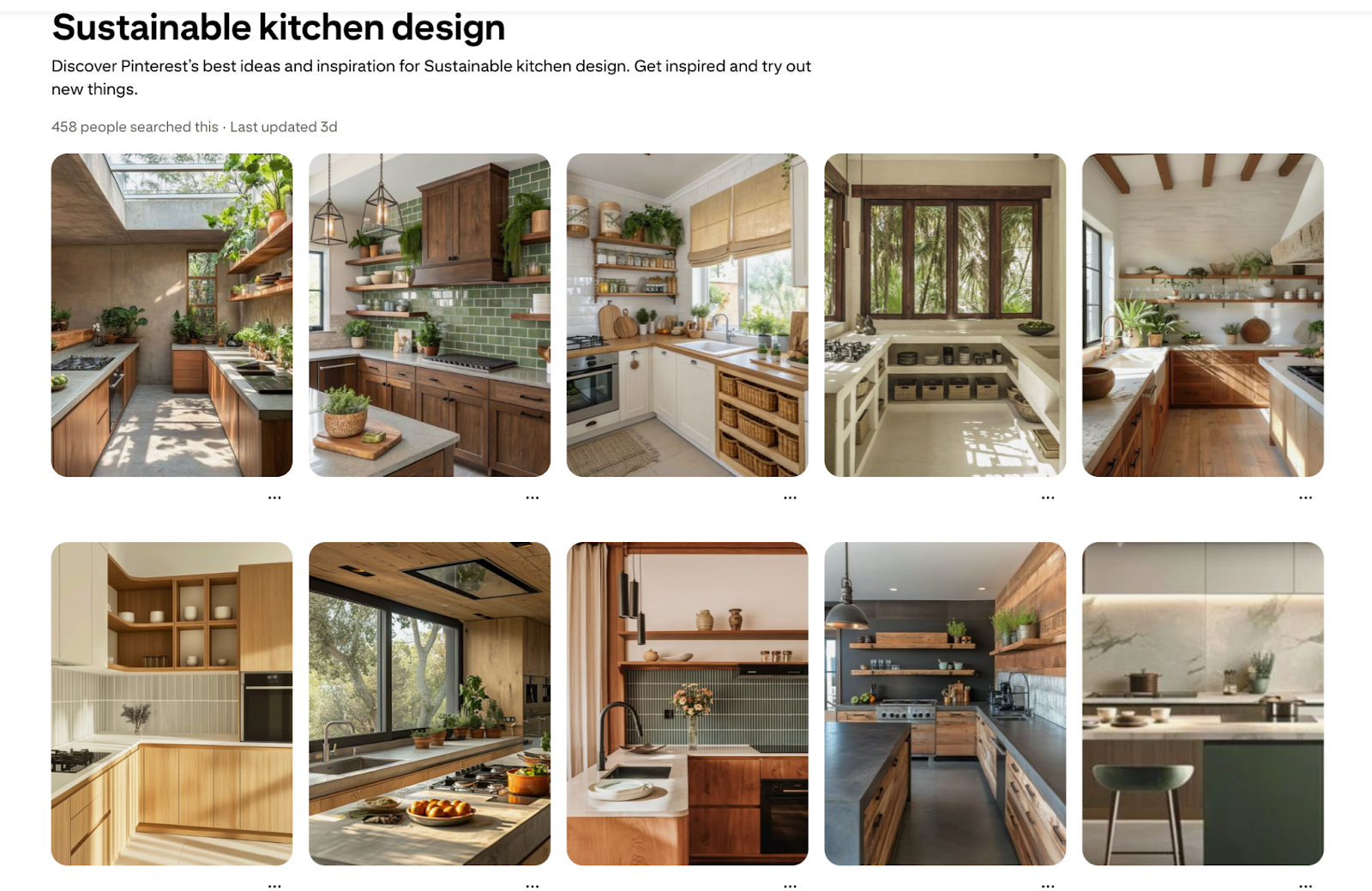
The preference for eco-conscious kitchens has moved well beyond trends. It is now a baseline expectation for an increasing share of customers and a strong justification for higher price points. As a result, sustainably sourced timber, recycled metal hardware, and low-emission finishes are in high demand. Also, as noted by CBI - Transforming Trade Together, “The need for European brands and retailers to scale up their adoption and development of sustainable materials has never been more urgent”. If you are targeting this market, this trend is even more powerful for engaging customers from the early stages.
- Smart Kitchens & Connected Appliances
The global smart kitchen appliances segment is projected to grow at a CAGR of 18.3% from 2023 to 2030, driven by IoT penetration and the shift toward connected homes. Customers increasingly expect kitchens that are “smart-ready”, with cabinets wired for integrated lighting, charging points, and appliances that communicate with each other.
- Modular & Space-Saving Layouts
Urban demographics, smaller living footprints, and the kitchen's growing role as a multi-functional space are accelerating demand for modular products and space-saving solutions. In this way, kitchens are no longer purely functional; they now serve spaces for cooking, working, socializing, and storage, all within increasingly smaller square footage.
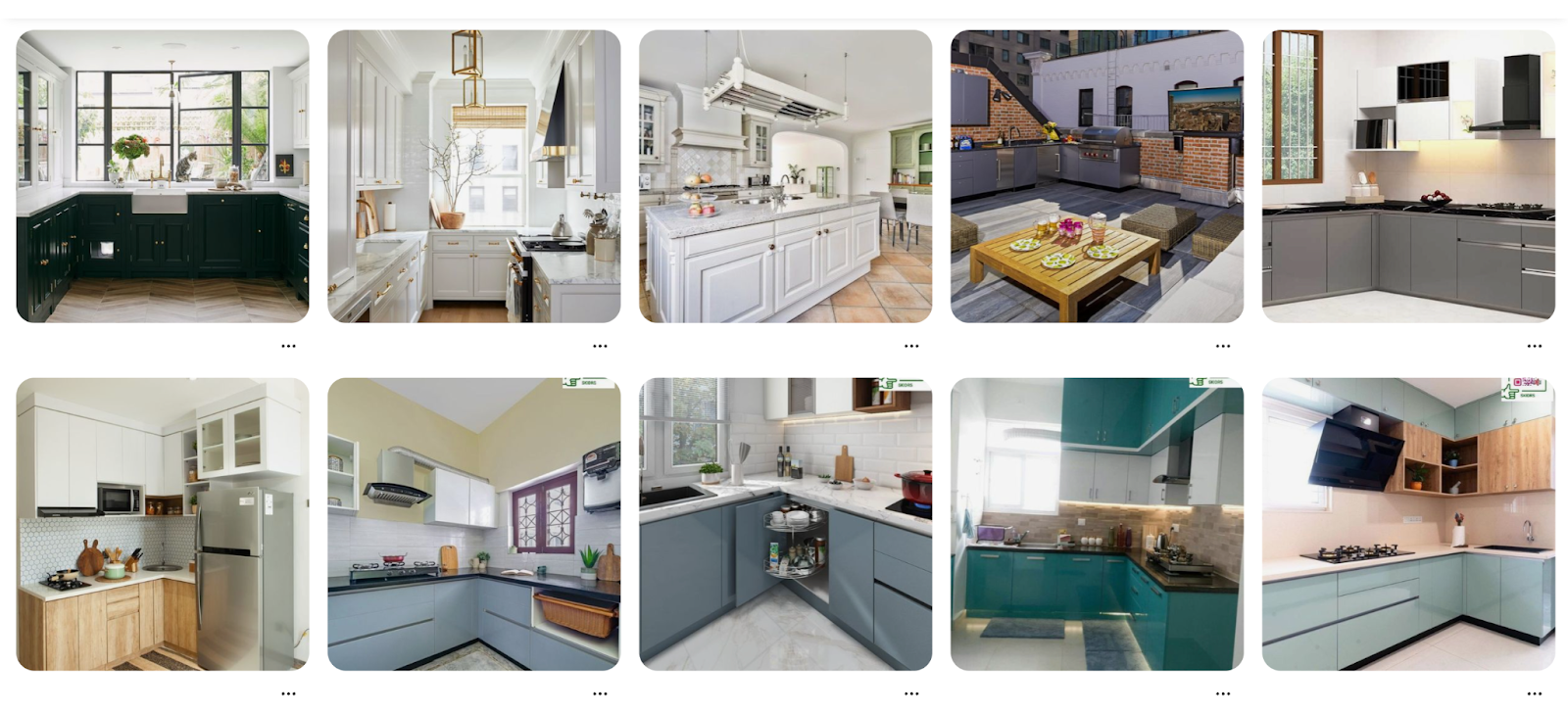
Modular systems are precision-engineered, visually refined, and highly customizable, allowing customers to adapt layouts to their specific needs and lifestyles. This makes modular kitchens more appealing to customers across a broad range of price points.
- Luxury & Bespoke Kitchens
The premium segment holds firm today. High-net-worth customers are making huge investments in integrated appliances and made-to-order kitchen interiors that reflect personal taste rather than catalog choices. For kitchen manufacturers in this segment, digital marketing ideas are less about reach and more about depth through storytelling.
Marketing Strategies for Kitchen Manufacturers
1. Use digital technology to fix sales bottlenecks
One of the most costly challenges in kitchen manufacturing sales is the failure to generate leads. Clients who cannot get personalized experiences and confidently visualize complex designs either delay their decision or are willing to move to a competitor who makes them more satisfied. That’s why we want to discuss with kitchen manufacturers the technologies:
- 3D configuration and visualization
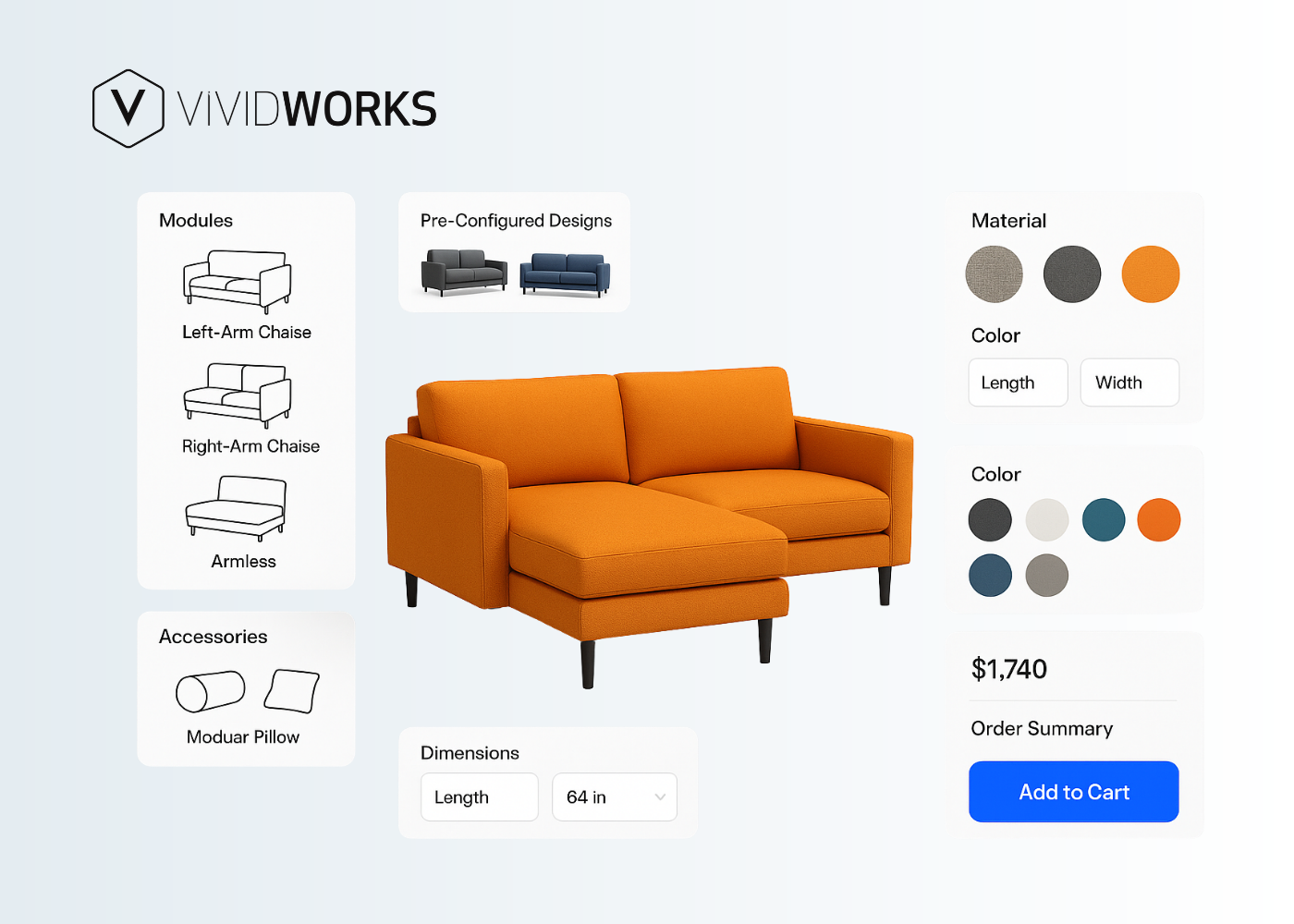
Instead of relying on back-and-forth conversions about the final design confirmations, kitchen manufacturers can empower clients with a 3D product configuration to save time. With a manufacturing product configurator, users can freely customize designs and visualize them in real time, in photorealistic 3D, for greater clarity before placing an order. This further strengthens trust, transforms sales conversions, and reduces product returns.
- Augmented Reality (AR)
Pair real-time 3D visualization with AR for furniture, where you can directly place a kitchen interior into your actual space via mobile devices or AR apps. Instead of imagining how a layout might look and fit, you can see it in real life, which builds confidence in your purchase.
- Visual CPQ
This technology, also called 3D CPQ, allows users to configure kitchen pieces, see real-time pricing, and generate quotes without manual calculations. The result is a faster, more professional sales process with fewer mistakes and a dramatically improved experience.
2. Build a Strong SEO Foundation Around Kitchen Design
To attract organic traffic, you need to rank for terms your customers are searching for. This should involve creating inspiration hubs on your website. Don’t just focus on products and services; try to write about kitchen design principles, color theory, and renovation tips. High-quality imagery tagged with relevant keywords helps kitchen manufacturers appear in Google Image Search and Pinterest, two major traffic drivers for this competitive industry.
3. Use personalized content to increase sales
Generic emails are dead for sales. Thanks to the data from your 3D visual configuration software, you can send personalized follow-ups to engage customers more effectively. For example, if a visitor spent 20 minutes configuring a modular storage solution for the kitchen on your site but didn’t check out, try to send them a lookbook featuring that specific style. This kind of tailored content reinforces purchase intent and keeps your brand top of mind.
To take personalization further, integrate a 24/7 chatbot that leverages configuration data in real time. It can recommend products, answer questions about specific configurations, and even guide users back to their saved designs, creating a highly personalized buying journey.
4. Strengthen B2B Partnerships for Scalable Growth
Don’t ignore the trade. Working with sales collaboration tools for manufacturing enables kitchen manufacturers to partner with architects and interior designers effectively. You can give them their own portal where they can use your tools to design for their clients, ensuring they clarify your products with accurate specifications, prices, quotes, and production times.
5. Run Paid Ads and Holiday Campaigns
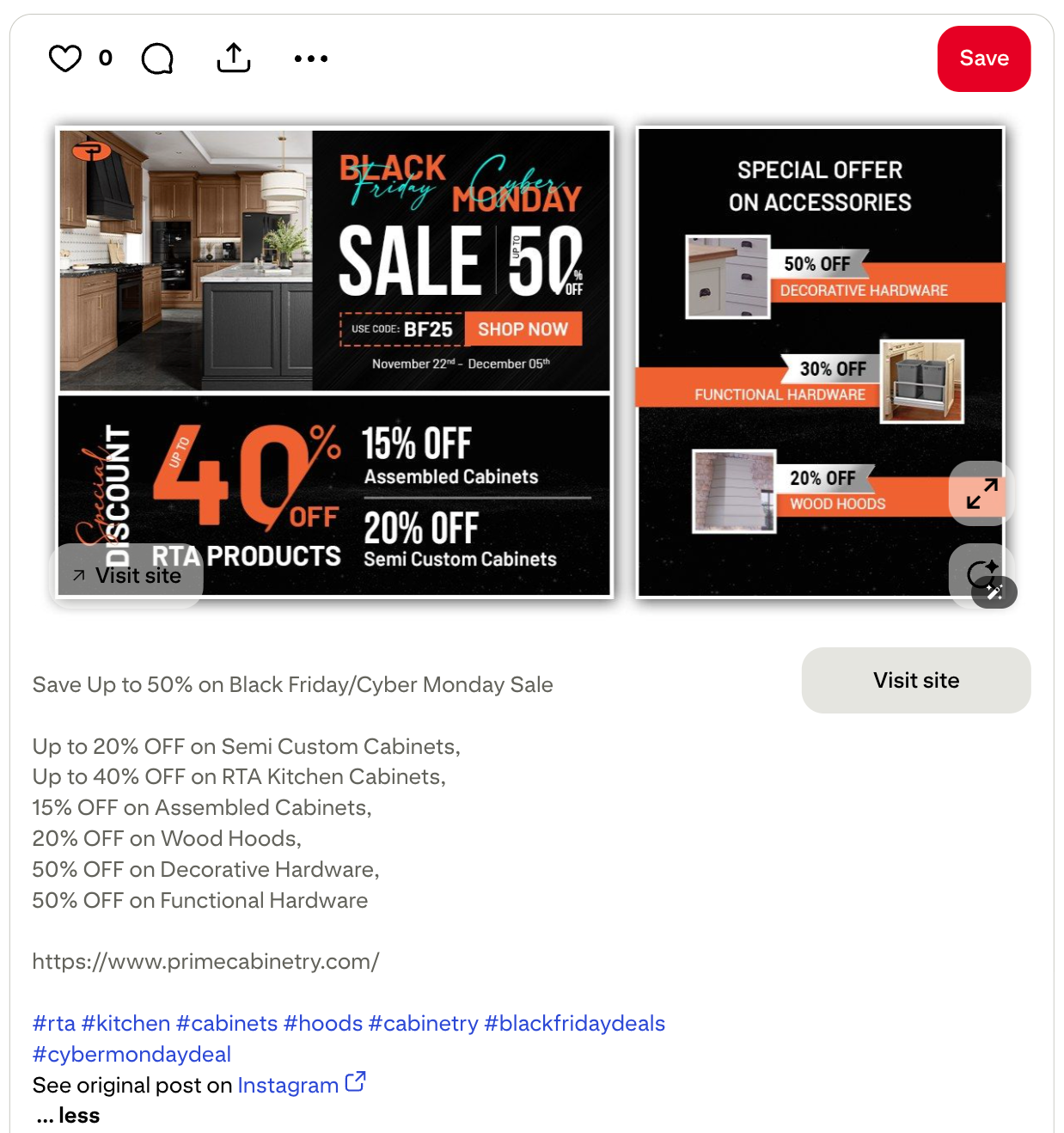
It’s essential to plan your holiday marketing campaigns months in advance. Key timestones like Black Friday and Cyber Monday are prime opportunities to promote and sell high-ticket items (e.g., kitchen furniture) with limited-time offers, financing options, or bundled deals. When paired with retargeting ads like online cabinet ads on Instagram and Pinterest, and personalized creatives, these campaigns can significantly boost conversions and revenues.
Key Digital Solutions for Kitchen Manufacturers
1. 3D Configurators
With the emergence of 3D configuration technology, a 3D kitchen configurator has become one of the most impactful tools a kitchen manufacturer can deploy. Instead of relying solely on sales teams, clients can independently explore styles, finishes, and layouts in real time.
This shift doesn’t just improve user experience; it fundamentally changes the sales process. Buyers become more confident in their decisions because they can see exactly what they’re purchasing, while manufacturers benefit from shorter sales cycles and fewer revisions.
VividWorks is one of the leading providers of sales configurators for furniture, kitchen, bath, retail, eCommerce, and construction. With extensive experience across markets, including the US, UK, and EU, it can handle diverse business requirements and customer expectations. Book a demo to clarify how to start launching 3D solutions from existing 3D model formats and discuss more with experts to find the right pricing plan for your needs.
2. Space Planning Tools
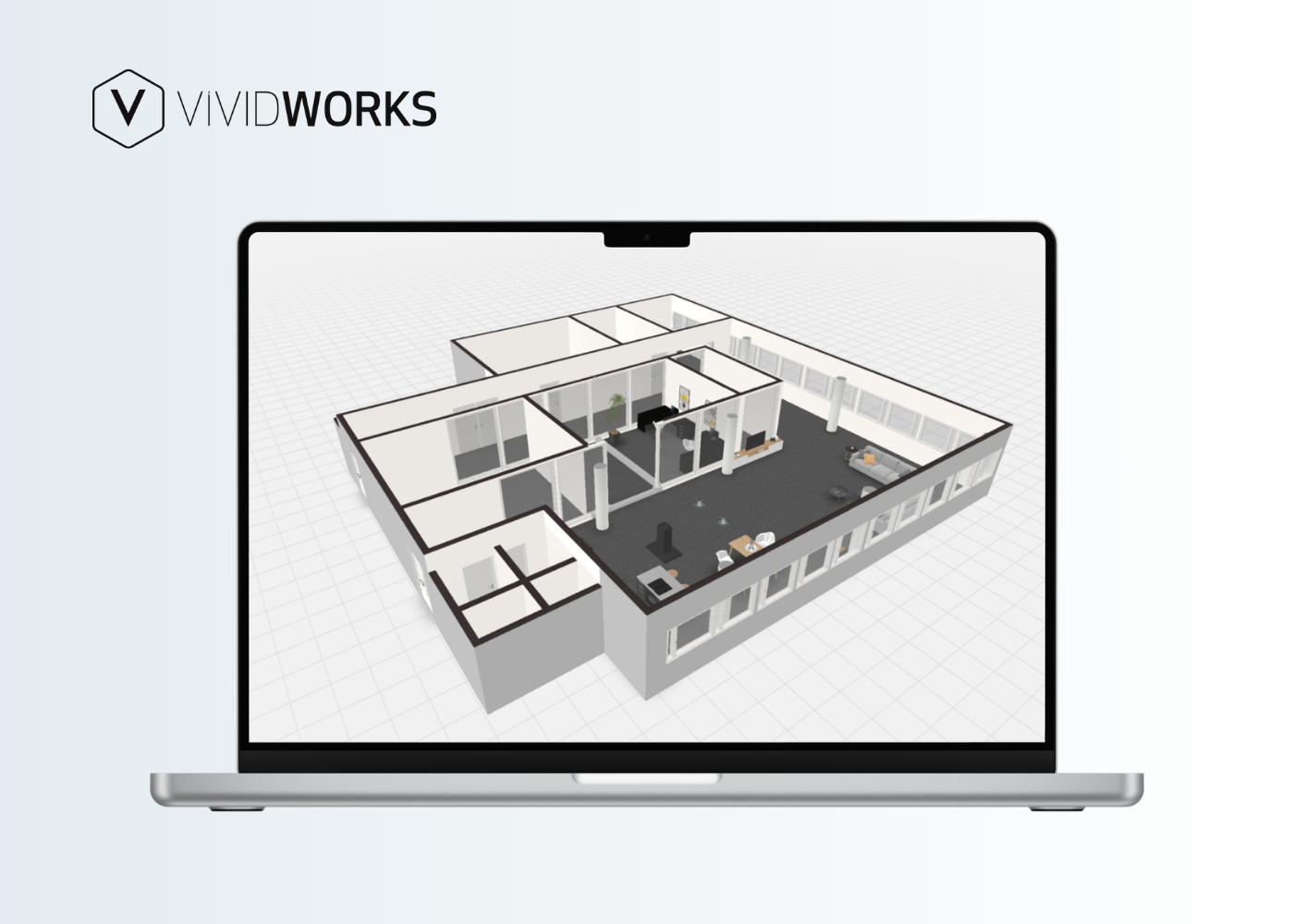
Space-planning tools enable users to design kitchen layouts that fit real-world dimensions and constraints. When kitchen manufacturers integrate a 3D room planner into their sales process, they enable the ability to design the kitchen space with accurate dimensions, covering walls, floors, layouts, and spatial constraints. Users can explore their kitchen design from every angle and even visualize selected interiors inside. This is invaluable for buyers making purchase decisions and for trade partners who need reliable visuals to evaluate feasibility.
3. Integrated Manufacturing Workflows
Digital transformation doesn’t stop at the front end. Integrating ERPs, CRMs, and automation systems ensures that every configured order flows seamlessly from design to production.
Once a customer finalizes a configuration, the data can automatically generate bills of materials (BOM), assembly instructions, and delivery timelines. This eliminates manual data entry, minimizes inconsistency, and improves operational efficiency across departments.
Conclusion
Kitchen manufacturers now have a clearer view of the marketing strategies, emerging trends, and digital solutions shaping the industry. The real advantage lies in how effectively these elements are executed and in how well they align with your resources. In a competitive market, those with strategic implementation will set the pace—not just keep up.
Table of Content
-3.avif)
Streamline your process today!


.png)
