


Nordic furniture brands have long differentiated themselves through timeless aesthetics, functional design and craftsmanship. In 2026, heritage alone no longer closes the sale. Buyers research online, expect to see and configure a product before paying for it, and are now protected by stricter EU rules on green claims. This guide to Nordic furniture marketing covers the five shifts that matter most and works as a practical checklist of furniture marketing trends for 2026 for any brand, from Scandinavian furniture brands to newcomers.
Let’s keep scrolling to discover more with us!
1. 3D Configurators and AR Replace Static Product Photos
Static photos and 2D visuals can’t show every fabric, leg finish, and module combination. A 3D product configurator can. Shoppers change materials, sizes, and layouts and visualize their custom designs in real time. Additionally, using augmented reality (AR) furniture empowers users to place the piece in real space, offering a more comprehensive evaluation.
Modular products like sofas and storage systems are the strongest use case, as the number of possible variants is too large to photograph. 3D product visualization cuts uncertainty, which is the main barrier in shopping online, where you can’t sit on the sofa or feel the fabric.
Swedish furniture brand Blå Station offers a practical example. Its BOB modular sofa system allows customers to experiment with different arrangements through a furniture configurator developed with VividWorks. Built-in product rules and rule-based configuration ensure that the configurations remain possible to order, rather than simply looking appealing on screen.
“The planner truly brought product planning to our customers. With BOB, it became central to the customer experience. Everyone can use it. You don't need to be an expert. You can just have fun with the system.” - Sebastian, Marketing & PR Manager of Blå Station
The key is to choose a solution that aligns with your needs, product complexity, and product range rather than investing in too much technology that exceeds your actual requirements.
Learn more: The Future of Sales: Furniture Manufacturers and Resellers
2. Sustainability Claims Must Now Be Proven
Sustainability has always been part of Scandinavian design marketing, but the rules are changing. From 27 September 2026, vague terms like “eco-friendly” or “green” are banned in EU consumer marketing unless backed by recognised certification or verifiable evidence.
That makes sustainability claims a compliance issue, not only a messaging choice, and it raises the cost of greenwashing. Therefore, the safer approach here should be specificity:
- FSC-certified wood instead of “responsibly sourced”
- Percentages of recycled content instead of “made from recycled materials”
- Lifecycle data instead of “low-impact”
Brands should also watch the Digital Product Passport, an EU transparency tool being phased in under the Ecodesign for Sustainable Products Regulation. It is designed to give buyers standardized information about materials, origin, and repairability. However, this is general information, not legal advice. You need to check your claims with a qualified adviser.
3. Circular Models and Warm Minimalism Reshape Brand Storytelling
Circular design is becoming a unique angle. Buy-back, resale, and refurbished lines, such as IKEA’s Buy Back & Resell, give brands new stories to tell about longevity and second lives.
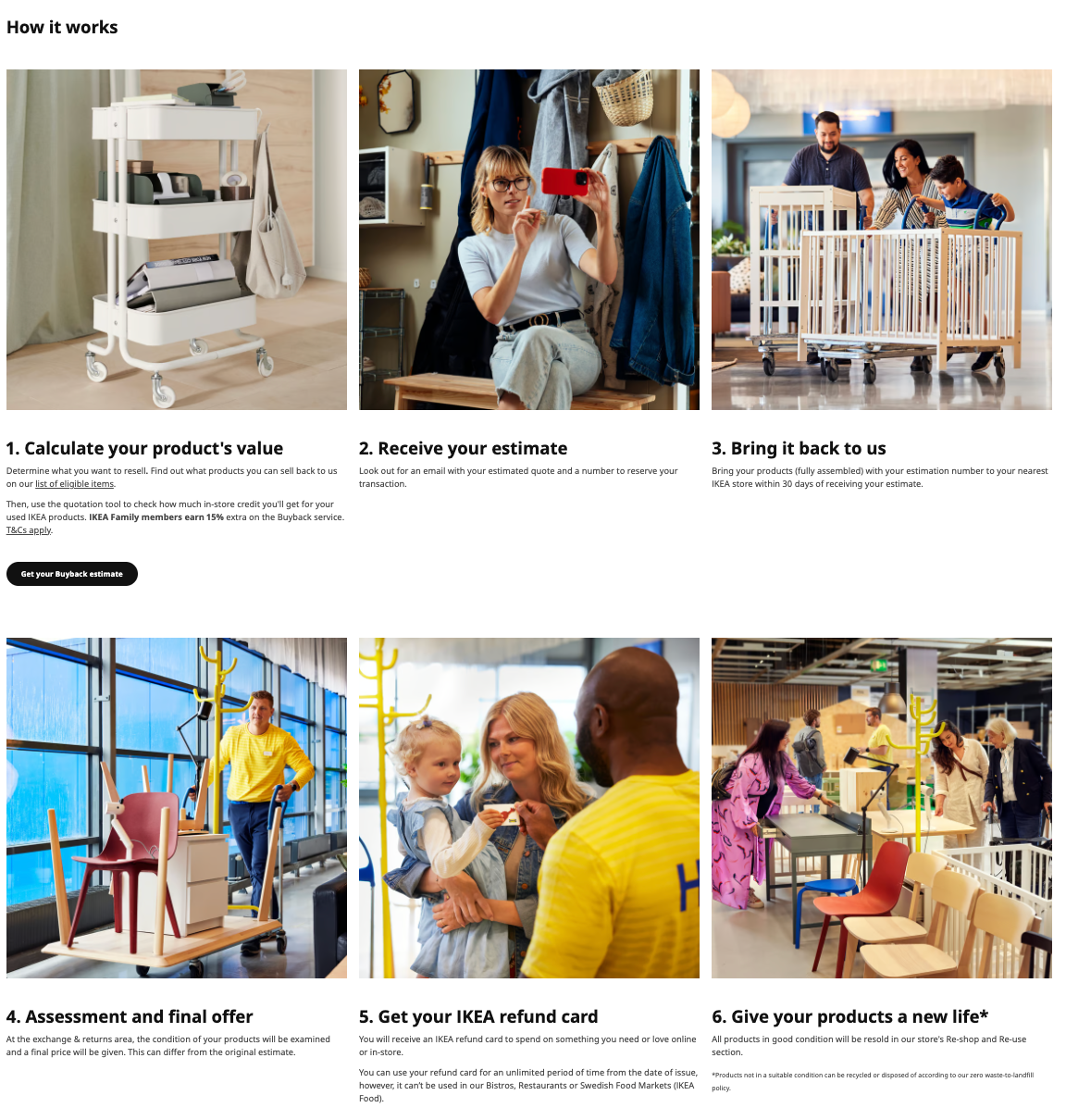
On the other hand, aesthetics are shifting too. The stark white minimalism once tied to Danish design is giving way to warmer, more tactile interiors: natural wood, textured textiles and softer palettes. That significantly changes imagery, color choices, and copy. Therefore, effective brand storytelling now pairs craft and product material with real proof of durability.
The shift applies across the region. Many Swedish furniture brands lean into approachable modularity, while Finnish design emphasizes durability. Good furniture brand marketing should adapt the story to each market rather than repeating one generic“Scandinavian” look.
Learn more: 3 Best Furniture Marketing Campaigns in 2025 That Brands Can Learn From
4. Social Commerce and AI-Generated Content
Social media is becoming more than a channel for showcasing interiors. Through social commerce like Instagram, Pinterest, and TikTok, customers can discover furniture, explore ideas, and move from inspiration to product pages without navigating a traditional journey.
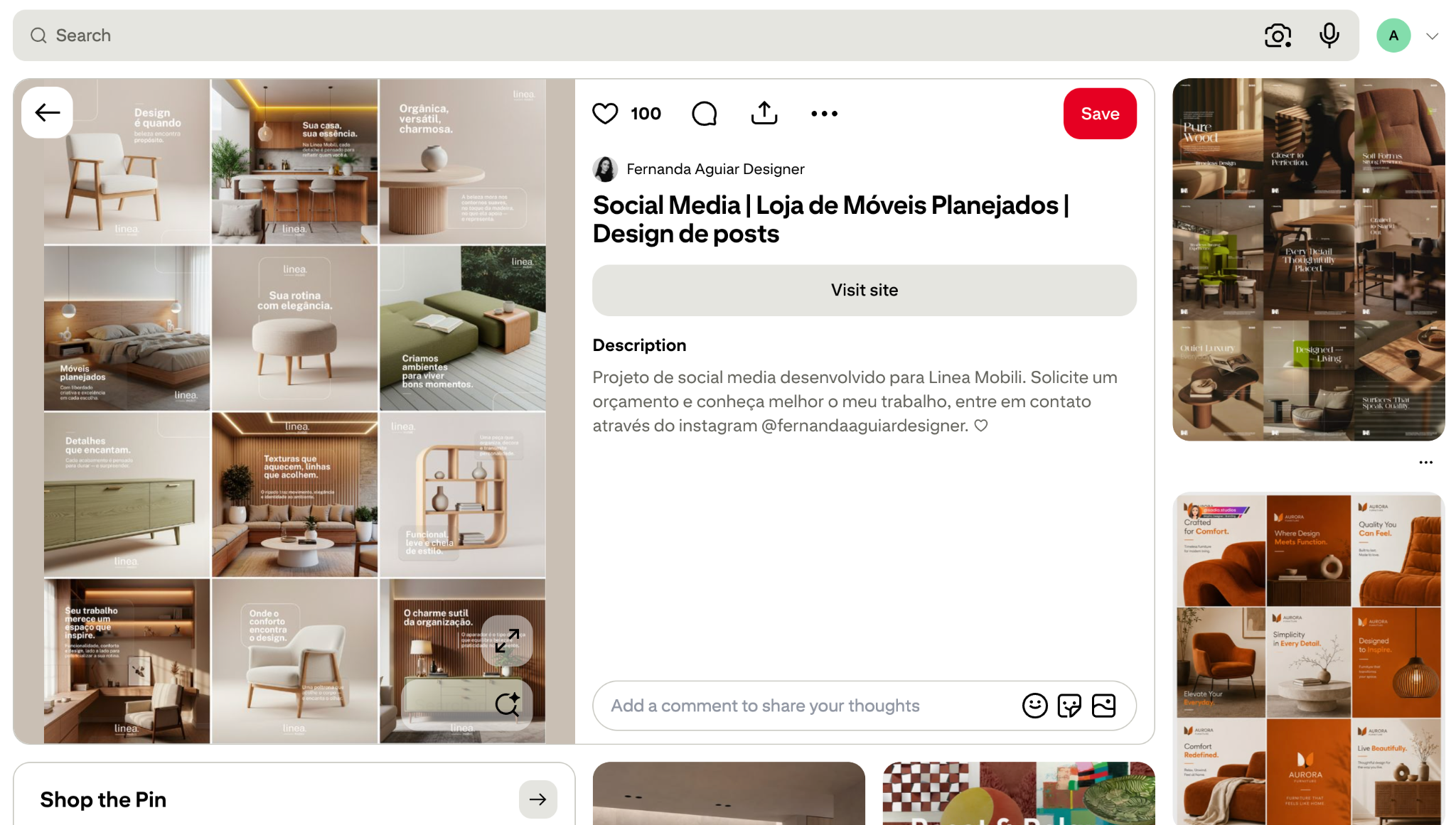
In marketing for furniture companies, the key is to make content useful rather than simply promotional. A short video showing how modular shelving adapts to a small apartment, for example, can demonstrate product flexibility more effectively than a generic advertisement.
AI-generated content can help marketing teams produce variations of product descriptions, social posts, and visual concepts more efficiently. But AI should support creative production, not replace the brand's design expertise or distort what customers can expect to receive.
A consistent furniture marketing strategy combines engaging creative content with accurate product information. This allows businesses to scale their output while protecting credibility.
5. First-Party Data and Omnichannel Retail
Furniture purchases often involve several research stages. Customers might discover a sofa on social media, compare dimensions on a website, visit a showroom to assess materials, and return online before requesting a quote. This makes omnichannel retail an important consideration for Nordic furniture brands. Customers should be able to move between digital and physical touchpoints without repeatedly starting their research from scratch.
These interactions can also support responsible personalization. With appropriate consent and privacy safeguards, first-party data from newsletter subscriptions, saved configurations, and client accounts can inform relevant recommendations and follow-up communications.
Whether Nordic furniture marketing or any other market, the final objective is not to force every customer into a single channel. It is to create a connected online purchasing experience that makes researching, configuring, and purchasing furniture more convenient.
Learn more: How to plan a successful H2 : marketing plan for furniture businesses
Conclusion
Nordic furniture brands are moving from heritage-only storytelling to experiences shoppers can see, configure, and verify. Winning in Nordic furniture marketing this year means pairing strong design identity with interactive tools, evidence-backed claims, and joined-up data.
Ready to put the first trend into action? Book a demo to discover how 3D configurators work!
Table of Content

Streamline your process today!


